
Europe industry calls for ETS reform as carbon costs threaten manufacturing competitiveness
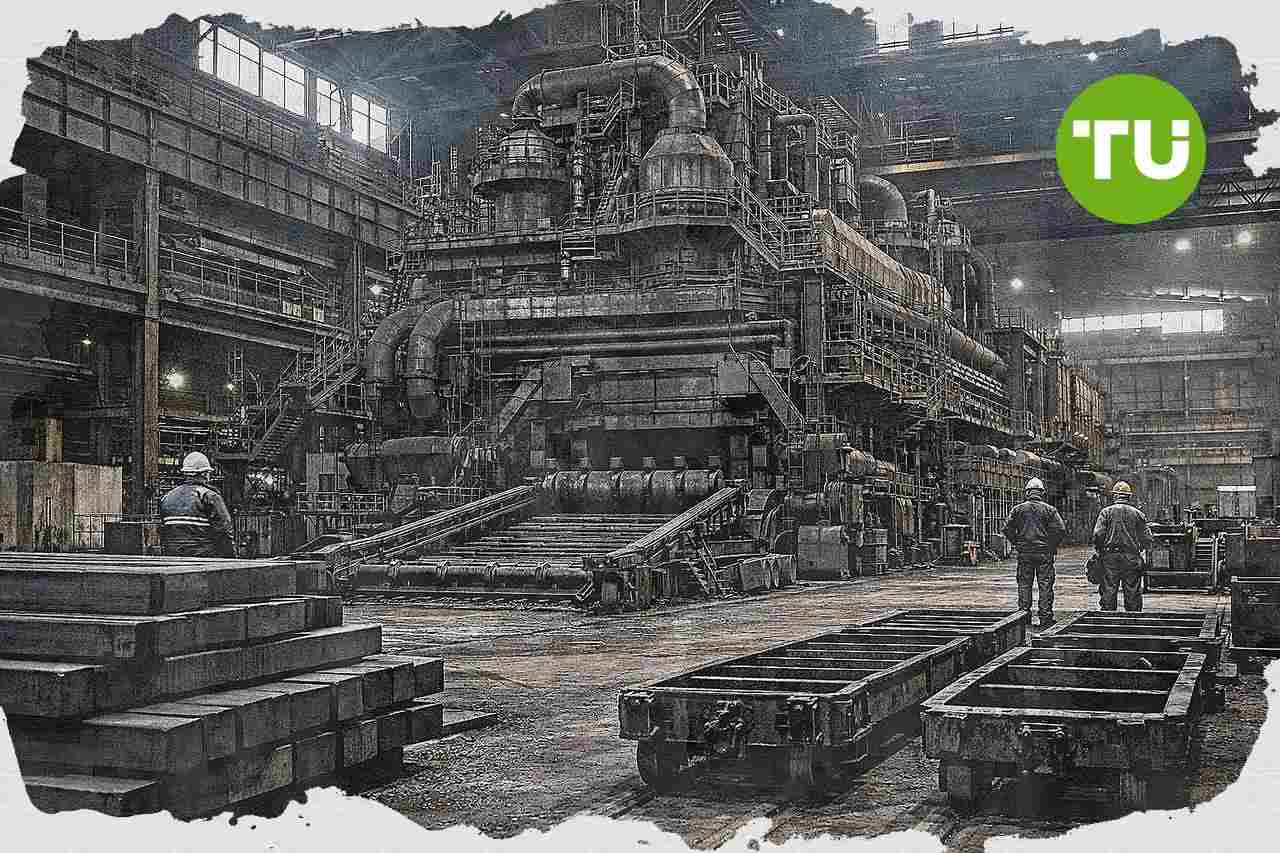
Europe’s debate over climate policy is increasingly turning to whether industrial decarbonisation can proceed without further weakening the region’s manufacturing base. The argument is gaining urgency as the EU maintains its 2040 emissions target while companies in steel and other energy-intensive sectors face rising carbon-related costs.
Highlights
- Planned ETS costs will rise over the next five years, potentially increasing EU steel production costs by 50 per cent by the early 2030s with a carbon price of 150 euros a tonne.
- Industry groups warn that an unchanged ETS could cause a 30 to 40 per cent decline in EU manufacturing activity and threaten up to 5 million jobs.
- Decarbonisation in sectors like steel is hampered by the lack of competitive electricity, affordable green hydrogen, carbon contracts for difference, adequate green premia, and carbon capture and storage.
Industrial pressure builds around ETS overhaul
As reported by Financial Times, the European Commission earlier this year signals a willingness to consider easing the emissions trading system for industry, a shift that reflects growing concern over how the policy affects energy-intensive manufacturers.The ETS, the EU’s main mechanism for pricing CO2 emissions, remains central to Europe’s energy transition strategy. It has helped cut emissions in power and heat, where EU27 plant emissions fall by about 49 per cent between 2005 and 2023, but the same progress is not evident in sectors such as steel.
For steel and other hard-to-abate industries, key decarbonisation conditions are still missing. Competitive electricity prices, affordable green hydrogen, carbon contracts for difference, green premia for steel, and carbon capture and storage are not yet sufficiently in place, leaving companies without a credible route to invest while preserving competitiveness.
Higher carbon costs raise risks for jobs and output
The article argues that Europe is effectively acting alone in imposing a significant CO2 cost on industry while also facing much higher energy prices than other regions. That combination is seen as eroding the position of European manufacturers both at home and in export markets.Over the next five years, planned ETS costs are set to rise sharply. By the early 2030s, assuming no free CO2 allowances and a carbon price of 150 euros a tonne, the cost of steel made in the EU is estimated to increase by about 50 per cent, with knock-on effects for steel-intensive manufacturing across the value chain.
The piece estimates that an unchanged ETS could lead to a 30 to 40 per cent decline in EU manufacturing activity, with implications for up to 5 million jobs. It argues for pausing the ETS at its current level until economically viable decarbonisation tools are in place, while directing ETS revenues toward industrial decarbonisation and preserving incentives for early movers.
Our earlier article on the UK’s £1.3 billion G7 investment package detailed how French and Indian firms committed capital to battery storage, flexible power infrastructure, and technology expansion. We noted the projects are expected to create more than 1,400 jobs and strengthen capabilities in advanced manufacturing and services—areas that can help support a more resilient, cleaner power system as industry electrifies.











-
 Afghanistan
-
 Albania
-
 Algeria
-
 Angola
-
 Argentina
-
 Armenia
-
 Australia
-
 Austria
-
 Azerbaijan
-
 Bahamas
-
 Bahrain
-
 Bangladesh
-
 Belarus
-
 Belgium
-
 Bolivia
-
 Botswana
-
 Brazil
-
 Brunei
-
 Bulgaria
-
 Cambodia
-
 Cameroon
-
 Canada
-
 Chile
Chile
-
 China
China
-
 Colombia
-
 Congo
Congo
-
 Costa Rica
-
 Cote d'Ivoire
-
 Croatia
-
 Cuba
Cuba
-
 Cyprus
-
 Czechia
-
 DR Congo
-
 Denmark
-
 Dominican Republic
-
 Ecuador
-
 Egypt
Egypt
-
 El Salvador
-
 Estonia
-
 Eswatini
-
 Ethiopia
-
 Finland
-
 France
-
 Georgia
-
 Germany
-
 Ghana
Ghana
-
 Greece
-
 Haiti
Haiti
-
 Hong Kong
-
 Hungary
-
 India
India
-
 Indonesia
-
 Iran, Islamic republic
-
 Iraq
Iraq
-
 Ireland
-
 Israel
-
 Italy
Italy
-
 Jamaica
-
 Japan
Japan
-
 Jordan
-
 Kazakhstan
-
 Kenya
Kenya
-
 Korea
Korea
-
 Kuwait
-
 Kyrgyzstan
-
 Laos
Laos
-
 Latvia
-
 Lebanon
-
 Lesotho
-
 Libya
Libya
-
 Lithuania
-
 Luxembourg
-
 Madagascar
-
 Malaysia
-
 Malta
Malta
-
 Mauritius
-
 Mexico
-
 Moldova
-
 Mongolia
-
 Montenegro
-
 Morocco
-
 Mozambique
-
 Myanmar
-
 Namibia
-
 Nepal
Nepal
-
 Netherlands
-
 New Zealand
-
 Nigeria
-
 North Macedonia
-
 Norway
-
 Oman
Oman
-
 Pakistan
-
 Palestine
-
 Panama
-
 Papua New Guinea
-
 Paraguay
-
 Peru
Peru
-
 Philippines
-
 Poland
-
 Portugal
-
 Puerto Rico
-
 Qatar
Qatar
-
 Reunion
-
 Romania
-
 Rwanda
-
 Saudi Arabia
-
 Serbia
-
 Singapore
-
 Slovakia
-
 Slovenia
-
 Somalia
-
 South Africa
-
 Spain
Spain
-
 Sri Lanka
-
 Sweden
-
 Switzerland
-
 Syria
Syria
-
 Taiwan
-
 Tajikistan
-
 Tanzania
-
 Thailand
-
 Trinidad and Tobago
-
 Tunisia
-
 Turkey
-
 UAE
UAE
-
 Uganda
-
 Ukraine
-
 United Kingdom
-
United States
-
 Uruguay
-
 Uzbekistan
-
 Venezuela
-
 Vietnam
-
 Yemen
Yemen
-
 Zambia
-
 Zimbabwe
- Forex
- Crypto












