
Rahm Emanuel attacks Trump Iran ceasefire deal as Strait of Hormuz closes again
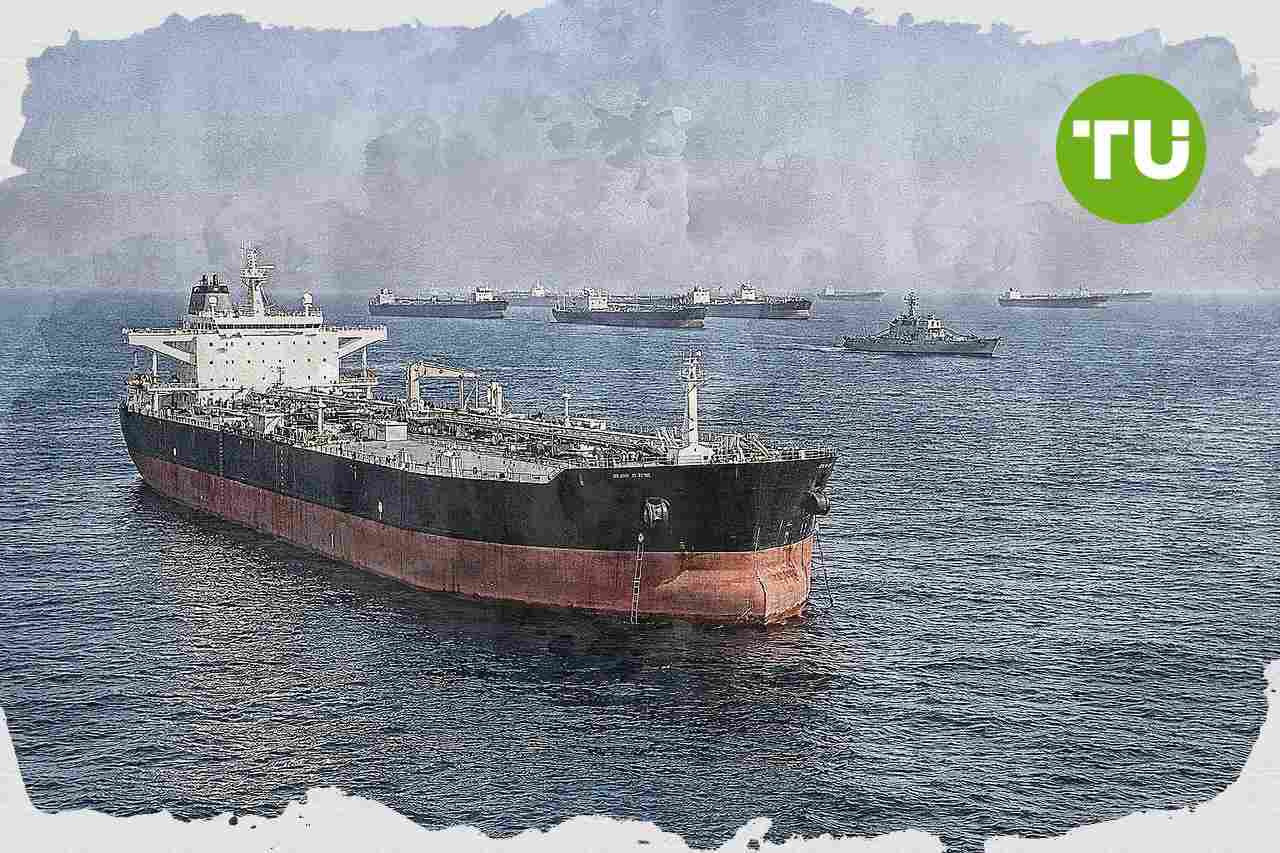
Fresh disruption in the Strait of Hormuz is intensifying pressure on Donald Trump’s effort to contain a conflict that is already lifting energy costs and weighing on his standing before the November midterm elections. Rahm Emanuel says the U.S. president has mishandled the Iran ceasefire arrangement, arguing the war has strengthened Tehran rather than weakened it.
Highlights
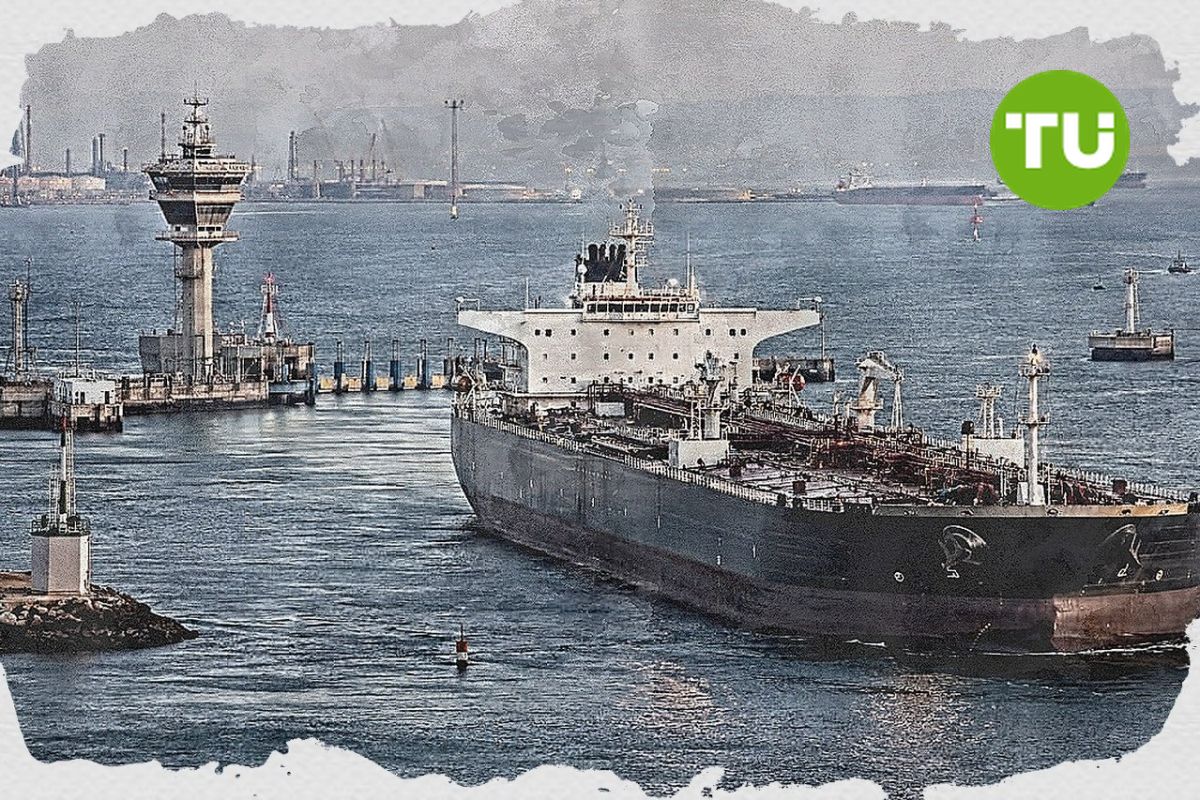
- Iran closes the Strait of Hormuz again in response to Israeli attacks on Lebanon, disrupting a waterway that previously carried about a fifth of global oil shipments.
- Emanuel criticizes Trump’s ceasefire memorandum as ineffective after Iran reneges on gradually reopening the strait, raising doubts over the agreement’s durability and U.S. crisis management.
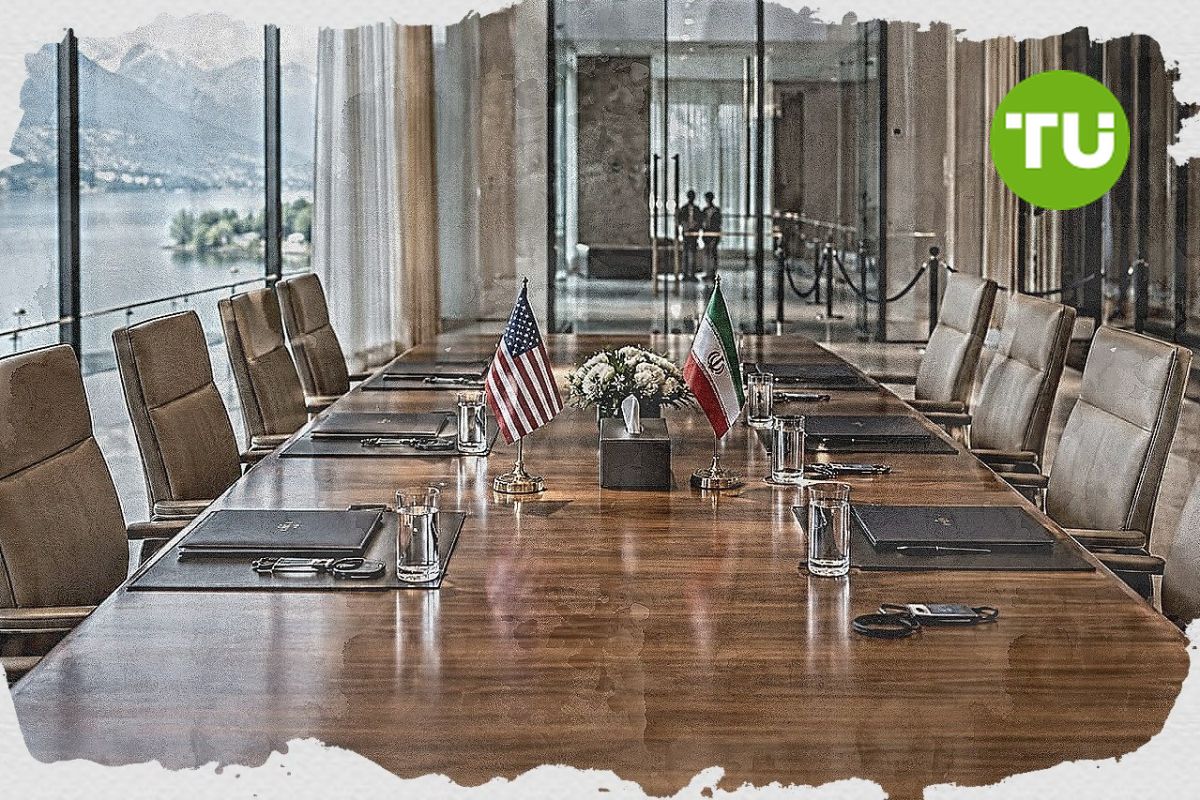
- Talks on limiting Iran’s nuclear capability, set for Switzerland on Friday, are postponed due to Israel-Hizbollah fighting, exacerbating geopolitical instability and energy market risks.
Emanuel criticism follows renewed Hormuz disruption
As reported by Financial Times, Emanuel tells the FT Weekend Festival in New York on Saturday that Trump "just got schooled" by Iran after the Revolutionary Guards announce they are closing the Strait of Hormuz again.The former Obama chief of staff calls the agreement signed by Trump in Versailles this week "the memorandum of misunderstanding" and says Tehran is teaching the president "the Persian lesson, the art of the negotiation". He argues the conflict leaves Iran in a stronger position, despite entering the war with a weak economy and domestic unrest.
Emanuel says the regime now shows it can survive a U.S. strike and still disrupt the world economy by shutting the waterway. He describes the episode as "the single worst" American national security mess he has ever seen.
Iran says it is closing the strait in response to Israeli attacks on Lebanon, creating a new setback for Trump’s attempts to end the war. Talks on limiting Iran’s ability to build a nuclear weapon are meant to start in Switzerland on Friday, but Tehran postpones them because of the fighting between Israel and Hizbollah in Lebanon, while a ceasefire brokered by the U.S., Qatar and Iran on Friday does not hold on Saturday.
Energy and political fallout widen
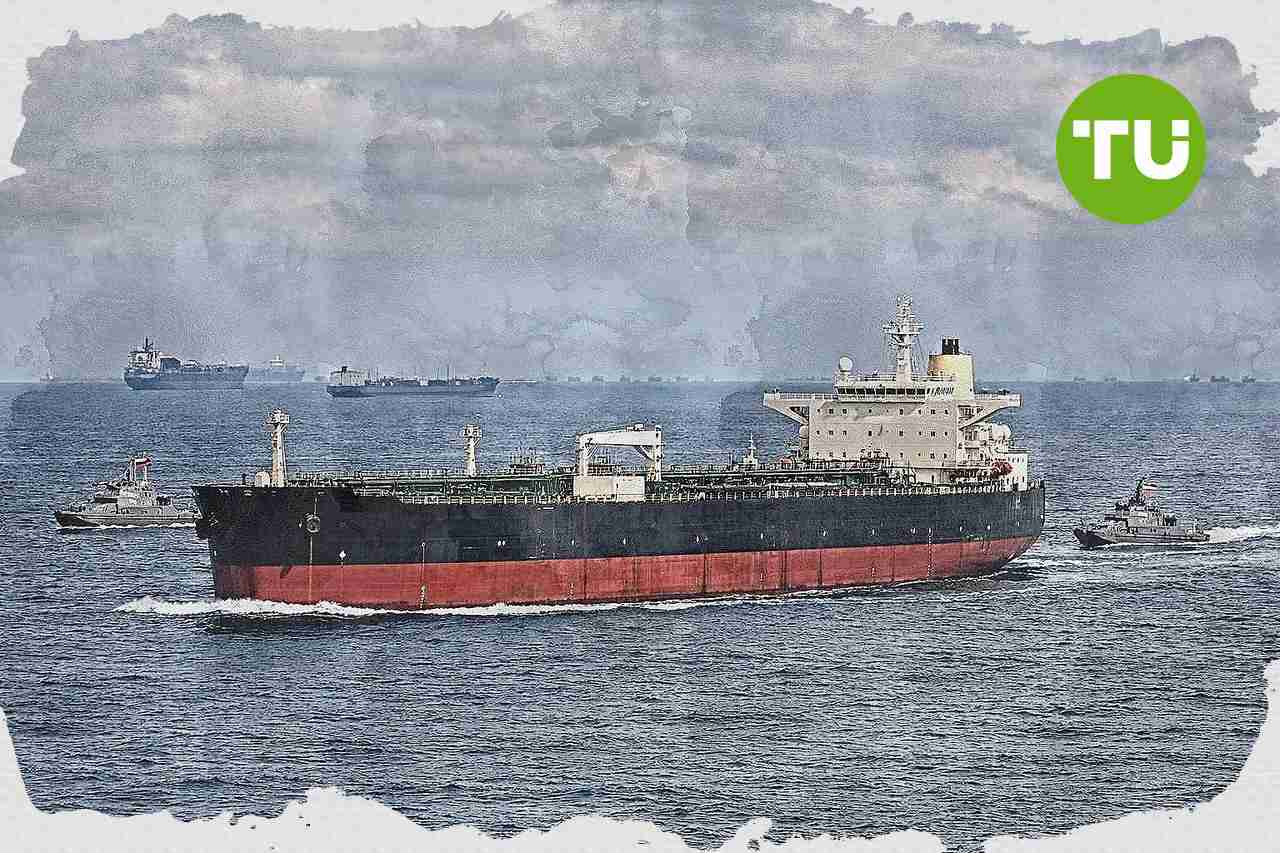
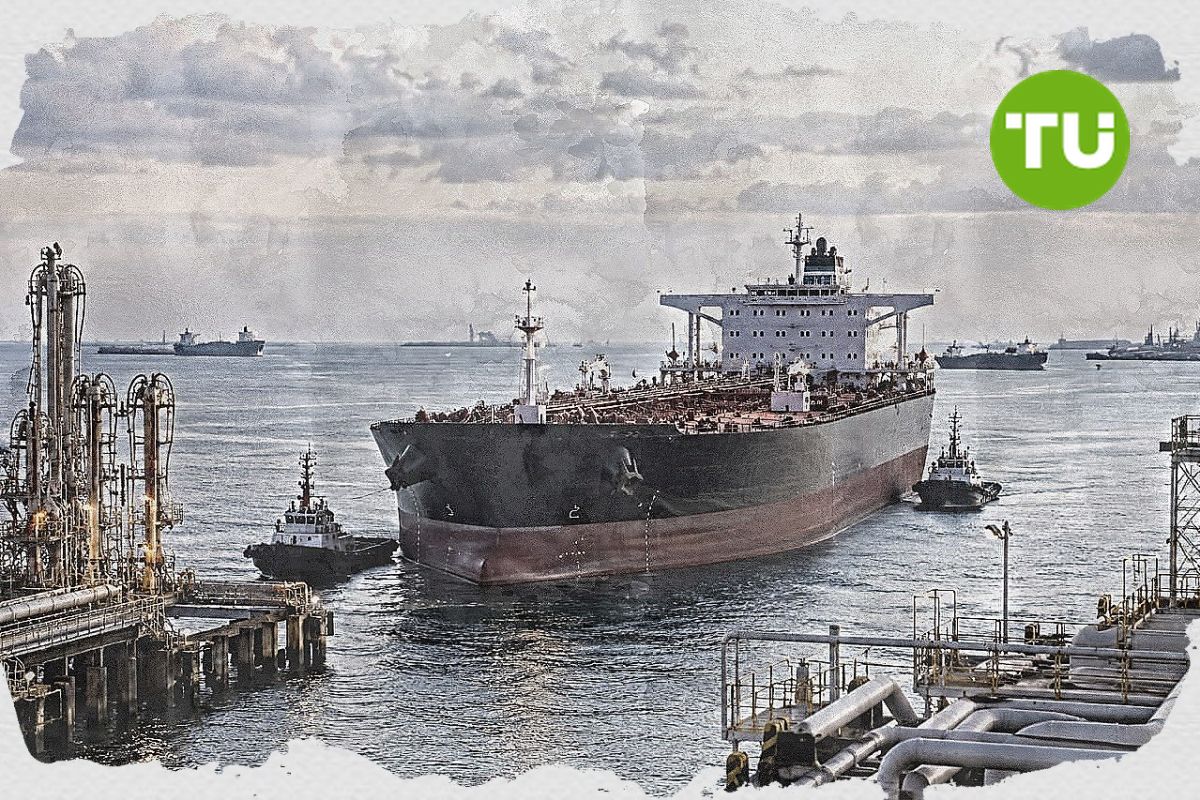
The renewed closure threatens a route that carried about a fifth of the world’s oil before the conflict, reviving pressure on global energy markets. The original shutdown drove oil and fuel prices higher, and U.S. petrol prices reached their highest level of either of Trump’s two terms, pushing inflation to its highest in almost three years.Oil prices fall sharply earlier this week after Trump says on Sunday that Tehran agrees to gradually reopen the strait under a memorandum of understanding signed with the U.S. on Wednesday. The latest move by Iran now raises new doubts about the durability of that arrangement and the administration’s broader crisis management.
Emanuel also renews his criticism of Israeli Prime Minister Benjamin Netanyahu, saying Israel is militarily secure but diplomatically and strategically isolated. He says Washington should not rule out sanctions on Israel over the government’s role in what he describes as the terrorising of Palestinians in the West Bank.
Seen as a possible Democratic contender for the 2028 presidential election, Emanuel does not confirm whether he is running. He says he belongs to the party’s "renewal wing" and would focus on building a stronger America and improving education, while also criticizing Kamala Harris’s 2024 campaign strategy.
Our earlier article on Iran’s new Strait of Hormuz transit rules explained how Tehran sought to formalize control over shipping by requiring passage permits and mandatory insurance arranged through Iran, with the option to introduce fees later. We noted that even after a temporary U.S.-Iran arrangement aimed at restoring traffic, vessel flows remained uneven as shipowners weighed security risks, conflicting navigation guidance, and potential added costs—keeping a risk premium in oil and freight markets.




Latest American Tower News





-
 Afghanistan
-
 Albania
-
 Algeria
-
 Angola
-
 Argentina
-
 Armenia
-
 Australia
-
 Austria
-
 Azerbaijan
-
 Bahamas
-
 Bahrain
-
 Bangladesh
-
 Belarus
-
 Belgium
-
 Bolivia
-
 Botswana
-
 Brazil
-
 Brunei
-
 Bulgaria
-
 Cambodia
-
 Cameroon
-
 Canada
-
 Chile
Chile
-
 China
China
-
 Colombia
-
 Congo
Congo
-
 Costa Rica
-
 Cote d'Ivoire
-
 Croatia
-
 Cuba
Cuba
-
 Cyprus
-
 Czechia
-
 DR Congo
-
 Denmark
-
 Dominican Republic
-
 Ecuador
-
 Egypt
Egypt
-
 El Salvador
-
 Estonia
-
 Eswatini
-
 Ethiopia
-
 Finland
-
 France
-
 Georgia
-
 Germany
-
 Ghana
Ghana
-
 Greece
-
 Haiti
Haiti
-
 Hong Kong
-
 Hungary
-
 India
India
-
 Indonesia
-
 Iran, Islamic republic
-
 Iraq
Iraq
-
 Ireland
-
 Israel
-
 Italy
Italy
-
 Jamaica
-
 Japan
Japan
-
 Jordan
-
 Kazakhstan
-
 Kenya
Kenya
-
 Korea
Korea
-
 Kuwait
-
 Kyrgyzstan
-
 Laos
Laos
-
 Latvia
-
 Lebanon
-
 Lesotho
-
 Libya
Libya
-
 Lithuania
-
 Luxembourg
-
 Madagascar
-
 Malaysia
-
 Malta
Malta
-
 Mauritius
-
 Mexico
-
 Moldova
-
 Mongolia
-
 Montenegro
-
 Morocco
-
 Mozambique
-
 Myanmar
-
 Namibia
-
 Nepal
Nepal
-
 Netherlands
-
 New Zealand
-
 Nigeria
-
 North Macedonia
-
 Norway
-
 Oman
Oman
-
 Pakistan
-
 Palestine
-
 Panama
-
 Papua New Guinea
-
 Paraguay
-
 Peru
Peru
-
 Philippines
-
 Poland
-
 Portugal
-
 Puerto Rico
-
 Qatar
Qatar
-
 Reunion
-
 Romania
-
 Rwanda
-
 Saudi Arabia
-
 Serbia
-
 Singapore
-
 Slovakia
-
 Slovenia
-
 Somalia
-
 South Africa
-
 Spain
Spain
-
 Sri Lanka
-
 Sweden
-
 Switzerland
-
 Syria
Syria
-
 Taiwan
-
 Tajikistan
-
 Tanzania
-
 Thailand
-
 Trinidad and Tobago
-
 Tunisia
-
 Turkey
-
 UAE
UAE
-
 Uganda
-
 Ukraine
-
 United Kingdom
-
United States
-
 Uruguay
-
 Uzbekistan
-
 Venezuela
-
 Vietnam
-
 Yemen
Yemen
-
 Zambia
-
 Zimbabwe
- Forex
- Crypto












