
UK rejoining EU would face lengthy negotiations and political risk
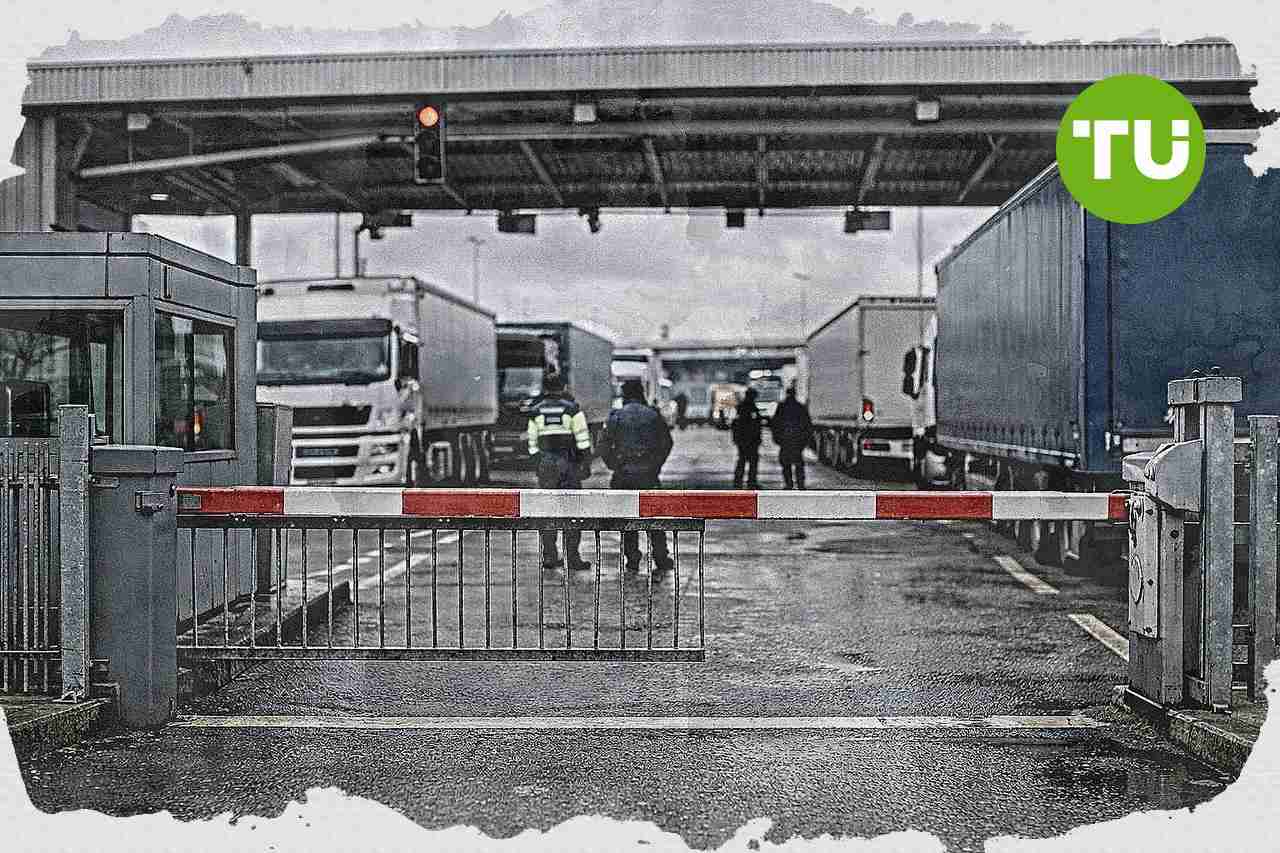
Debate over a possible British return to the EU is gaining momentum among pro-European voices, but Brussels remains cautious about the political durability of any such move. European officials and diplomats say a reaccession process would require a clear national commitment and is unlikely to be completed within a single five-year parliamentary term.
Highlights
- Senior EU officials caution that UK rejoining would face protracted negotiations due to lingering Brexit distrust and uncertainty over British political intent.
- Brussels would require strong nationwide assurance and faces opposition from Reform UK and Conservatives, who vow to overturn any deal made by Labour's Keir Starmer.
- Experts warn that any Article 49 re-accession process would likely extend beyond a single parliament, with EU capitals stressing accession would be complex and contentious.
Brussels sets conditions for any return
As reported by the Financial Times, senior European diplomats, ministers and officials warn that any UK bid to rejoin the bloc would be slowed by lingering distrust from the Brexit years and uncertainty over Britain's long-term political direction.João Vale de Almeida, the first post-Brexit EU ambassador to Britain, says the "twin ghosts of Brexit", Nigel Farage and former EU negotiator Michel Barnier, still weigh on any future renegotiation. He says long-term trust remains a major issue for Brussels, particularly if EU institutions are asked to negotiate with Prime Minister Keir Starmer or his successors while Farage remains influential in British politics.
Maroš Šefčovič, the European commissioner responsible for UK relations, says the EU would in principle welcome the return of an important defence and trade partner. But he adds that Brussels would need strong assurance that rejoining reflects the will of the whole country because such a decision cannot be taken lightly.
Political uncertainty clouds timeline and market implications
That caution is reinforced by domestic opposition in Britain. Reform UK, led by Farage, and the Conservatives under Kemi Badenoch have both promised to tear up any agreement that Starmer or a future successor reaches with Brussels.Sander Tordoir, chief economist at the Centre for European Reform, says the EU is unlikely to commit to a fresh relationship without confidence that the UK is fully committed. A paper by former MEP Andrew Duff also argues that if a future UK government triggers Article 49 and applies to rejoin, the process can reasonably be expected to run beyond a single parliament.
Former European Commission president Jean-Claude Juncker has said it is not possible for the UK to rejoin because member states remain wounded by Brexit. Current EU diplomats say many capitals would support a British return to strengthen European defence and financial markets, but they also see any accession talks as complex, drawn out and politically contentious.
Our earlier article on Boris Johnson’s admission that the Leave campaign had no post-referendum plan highlighted how Brexit remains an active political and reputational issue a decade on. We noted that the renewed focus on planning failures reinforces for businesses and investors that the UK’s economic and political uncertainty is tied not only to the decision to leave, but also to how the process was executed.





Latest Europe News







-
 Afghanistan
-
 Albania
-
 Algeria
-
 Angola
-
 Argentina
-
 Armenia
-
 Australia
-
 Austria
-
 Azerbaijan
-
 Bahamas
-
 Bahrain
-
 Bangladesh
-
 Belarus
-
 Belgium
-
 Bolivia
-
 Botswana
-
 Brazil
-
 Brunei
-
 Bulgaria
-
 Cambodia
-
 Cameroon
-
 Canada
-
 Chile
Chile
-
 China
China
-
 Colombia
-
 Congo
Congo
-
 Costa Rica
-
 Cote d'Ivoire
-
 Croatia
-
 Cuba
Cuba
-
 Cyprus
-
 Czechia
-
 DR Congo
-
 Denmark
-
 Dominican Republic
-
 Ecuador
-
 Egypt
Egypt
-
 El Salvador
-
 Estonia
-
 Eswatini
-
 Ethiopia
-
 Finland
-
 France
-
 Georgia
-
 Germany
-
 Ghana
Ghana
-
 Greece
-
 Haiti
Haiti
-
 Hong Kong
-
 Hungary
-
 India
India
-
 Indonesia
-
 Iran, Islamic republic
-
 Iraq
Iraq
-
 Ireland
-
 Israel
-
 Italy
Italy
-
 Jamaica
-
 Japan
Japan
-
 Jordan
-
 Kazakhstan
-
 Kenya
Kenya
-
 Korea
Korea
-
 Kuwait
-
 Kyrgyzstan
-
 Laos
Laos
-
 Latvia
-
 Lebanon
-
 Lesotho
-
 Libya
Libya
-
 Lithuania
-
 Luxembourg
-
 Madagascar
-
 Malaysia
-
 Malta
Malta
-
 Mauritius
-
 Mexico
-
 Moldova
-
 Mongolia
-
 Montenegro
-
 Morocco
-
 Mozambique
-
 Myanmar
-
 Namibia
-
 Nepal
Nepal
-
 Netherlands
-
 New Zealand
-
 Nigeria
-
 North Macedonia
-
 Norway
-
 Oman
Oman
-
 Pakistan
-
 Palestine
-
 Panama
-
 Papua New Guinea
-
 Paraguay
-
 Peru
Peru
-
 Philippines
-
 Poland
-
 Portugal
-
 Puerto Rico
-
 Qatar
Qatar
-
 Reunion
-
 Romania
-
 Rwanda
-
 Saudi Arabia
-
 Serbia
-
 Singapore
-
 Slovakia
-
 Slovenia
-
 Somalia
-
 South Africa
-
 Spain
Spain
-
 Sri Lanka
-
 Sweden
-
 Switzerland
-
 Syria
Syria
-
 Taiwan
-
 Tajikistan
-
 Tanzania
-
 Thailand
-
 Trinidad and Tobago
-
 Tunisia
-
 Turkey
-
 UAE
UAE
-
 Uganda
-
 Ukraine
-
 United Kingdom
-
United States
-
 Uruguay
-
 Uzbekistan
-
 Venezuela
-
 Vietnam
-
 Yemen
Yemen
-
 Zambia
-
 Zimbabwe
- Forex
- Crypto












