
UK leadership transition positions Andy Burnham to become prime minister by July
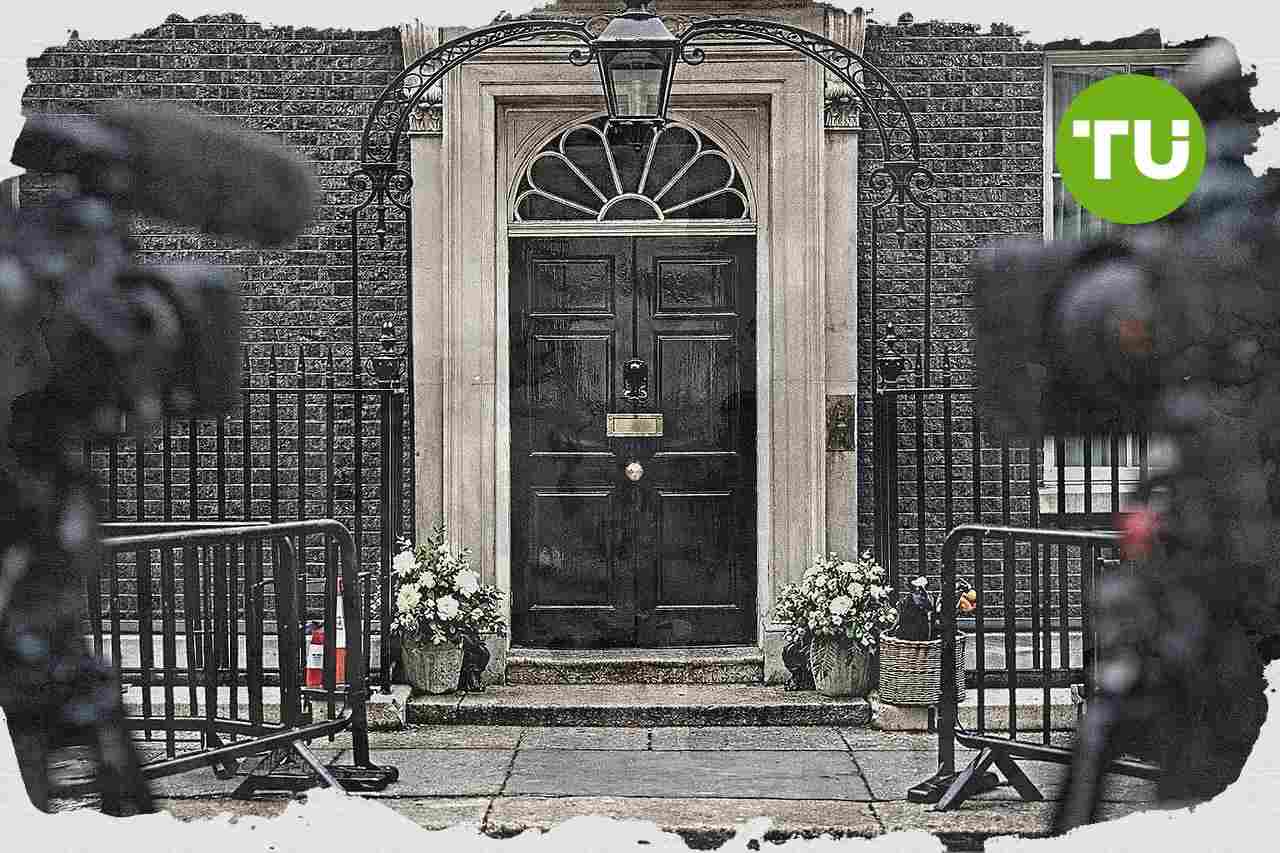
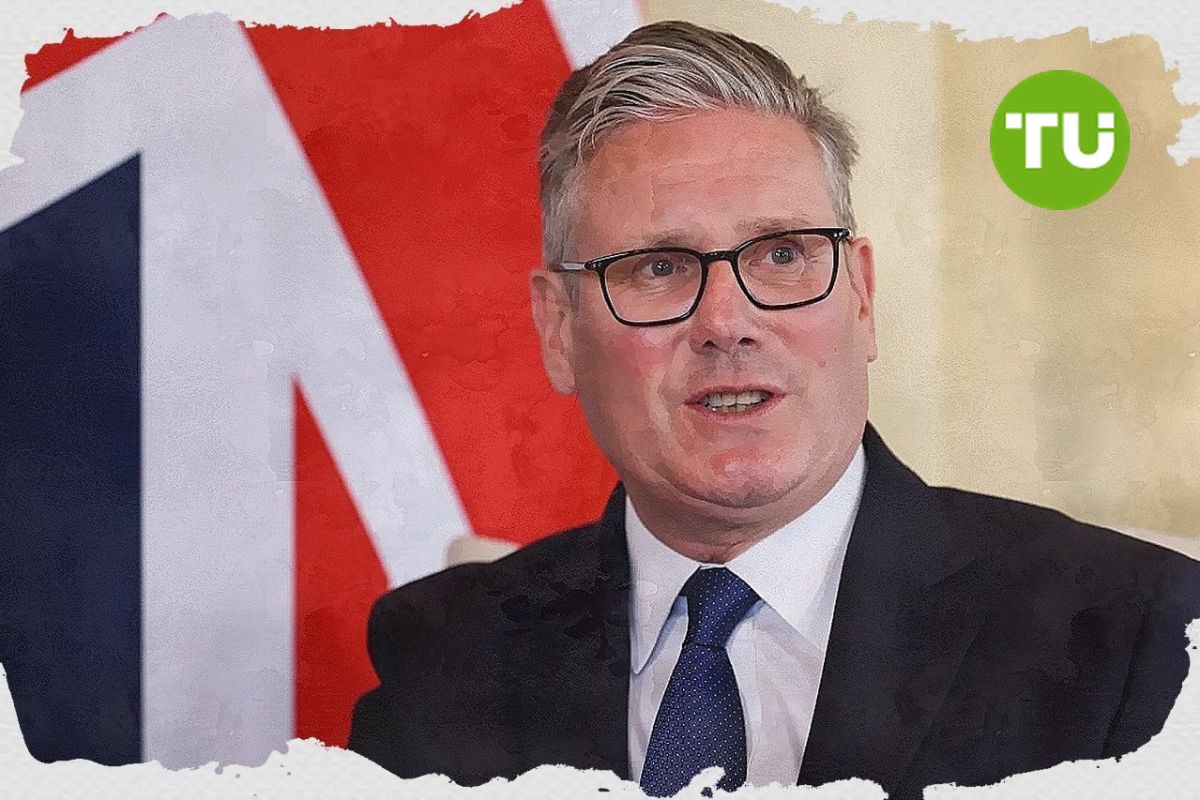
Britain faces another change at the top of government after Keir Starmer resigns as prime minister and Labour leader. Andy Burnham is now preparing for a possible move into Downing Street within weeks, potentially becoming the country’s seventh prime minister in a decade.
Highlights
- Andy Burnham is preparing for 'access talks' with civil servants and could become UK prime minister by July 17 following Starmer's resignation.
- Burnham's path is not final, as possible leadership challengers like Al Carns and Darren Jones may force a contest within Labour before a final handover.
- Burnham would become the seventh UK prime minister in 10 years, intensifying policy uncertainty amid concerns from investors, business leaders, and international partners.
Labour handover timetable takes shape
As first reported by Financial Times, Burnham is preparing for "access talks" with civil servants after Starmer sets out a timetable for the transfer of power that could put the outgoing Greater Manchester mayor in Number 10 by July 17. The discussions are expected to brief Burnham on his plans for government as Labour manages a rapid leadership transition.Starmer resigns yesterday after saying he accepts the verdict of Labour MPs that he is not the best person to lead the party into the next election. Speaking outside Number 10, he says he accepts that answer with good grace, his voice breaking at times.
Burnham’s path is not yet entirely clear, as potential challengers could still force a Labour leadership contest. Al Carns, the former armed forces minister, and Darren Jones, Starmer’s chief secretary, do not rule out bids for the top job.
Political instability deepens UK policy uncertainty
The expected succession underscores the unusually fast turnover in British leadership, with Burnham set to become the seventh prime minister in 10 years if the handover proceeds on the outlined schedule. The pace of change marks a period of instability that is described as unprecedented in Britain in nearly two centuries.Starmer’s departure also adds to concerns among voters, business leaders, investors and international counterparts who had hoped his premiership would bring a calmer break from 14 years of Conservative rule. Instead, the latest transition risks extending the uncertainty surrounding the UK government’s policy direction and political durability.
Our earlier article on Labour’s leadership transition after Keir Starmer’s resignation explained how Andy Burnham quickly emerged as the frontrunner to replace him, with attention shifting to his credibility and ability to form a government-ready team. We also noted that markets and businesses were watching Burnham’s approach to fiscal discipline and key policy priorities, as the rapid turnover in Downing Street adds to wider uncertainty about the UK’s direction.





Latest UK News








-
 Afghanistan
-
 Albania
-
 Algeria
-
 Angola
-
 Argentina
-
 Armenia
-
 Australia
-
 Austria
-
 Azerbaijan
-
 Bahamas
-
 Bahrain
-
 Bangladesh
-
 Belarus
-
 Belgium
-
 Bolivia
-
 Botswana
-
 Brazil
-
 Brunei
-
 Bulgaria
-
 Cambodia
-
 Cameroon
-
 Canada
-
 Chile
Chile
-
 China
China
-
 Colombia
-
 Congo
Congo
-
 Costa Rica
-
 Cote d'Ivoire
-
 Croatia
-
 Cuba
Cuba
-
 Cyprus
-
 Czechia
-
 DR Congo
-
 Denmark
-
 Dominican Republic
-
 Ecuador
-
 Egypt
Egypt
-
 El Salvador
-
 Estonia
-
 Eswatini
-
 Ethiopia
-
 Finland
-
 France
-
 Georgia
-
 Germany
-
 Ghana
Ghana
-
 Greece
-
 Haiti
Haiti
-
 Hong Kong
-
 Hungary
-
 India
India
-
 Indonesia
-
 Iran, Islamic republic
-
 Iraq
Iraq
-
 Ireland
-
 Israel
-
 Italy
Italy
-
 Jamaica
-
 Japan
Japan
-
 Jordan
-
 Kazakhstan
-
 Kenya
Kenya
-
 Korea
Korea
-
 Kuwait
-
 Kyrgyzstan
-
 Laos
Laos
-
 Latvia
-
 Lebanon
-
 Lesotho
-
 Libya
Libya
-
 Lithuania
-
 Luxembourg
-
 Madagascar
-
 Malaysia
-
 Malta
Malta
-
 Mauritius
-
 Mexico
-
 Moldova
-
 Mongolia
-
 Montenegro
-
 Morocco
-
 Mozambique
-
 Myanmar
-
 Namibia
-
 Nepal
Nepal
-
 Netherlands
-
 New Zealand
-
 Nigeria
-
 North Macedonia
-
 Norway
-
 Oman
Oman
-
 Pakistan
-
 Palestine
-
 Panama
-
 Papua New Guinea
-
 Paraguay
-
 Peru
Peru
-
 Philippines
-
 Poland
-
 Portugal
-
 Puerto Rico
-
 Qatar
Qatar
-
 Reunion
-
 Romania
-
 Rwanda
-
 Saudi Arabia
-
 Serbia
-
 Singapore
-
 Slovakia
-
 Slovenia
-
 Somalia
-
 South Africa
-
 Spain
Spain
-
 Sri Lanka
-
 Sweden
-
 Switzerland
-
 Syria
Syria
-
 Taiwan
-
 Tajikistan
-
 Tanzania
-
 Thailand
-
 Trinidad and Tobago
-
 Tunisia
-
 Turkey
-
 UAE
UAE
-
 Uganda
-
 Ukraine
-
 United Kingdom
-
United States
-
 Uruguay
-
 Uzbekistan
-
 Venezuela
-
 Vietnam
-
 Yemen
Yemen
-
 Zambia
-
 Zimbabwe
- Forex
- Crypto












