
UK households and businesses weigh Brexit’s long-term costs and gains a decade after EU vote
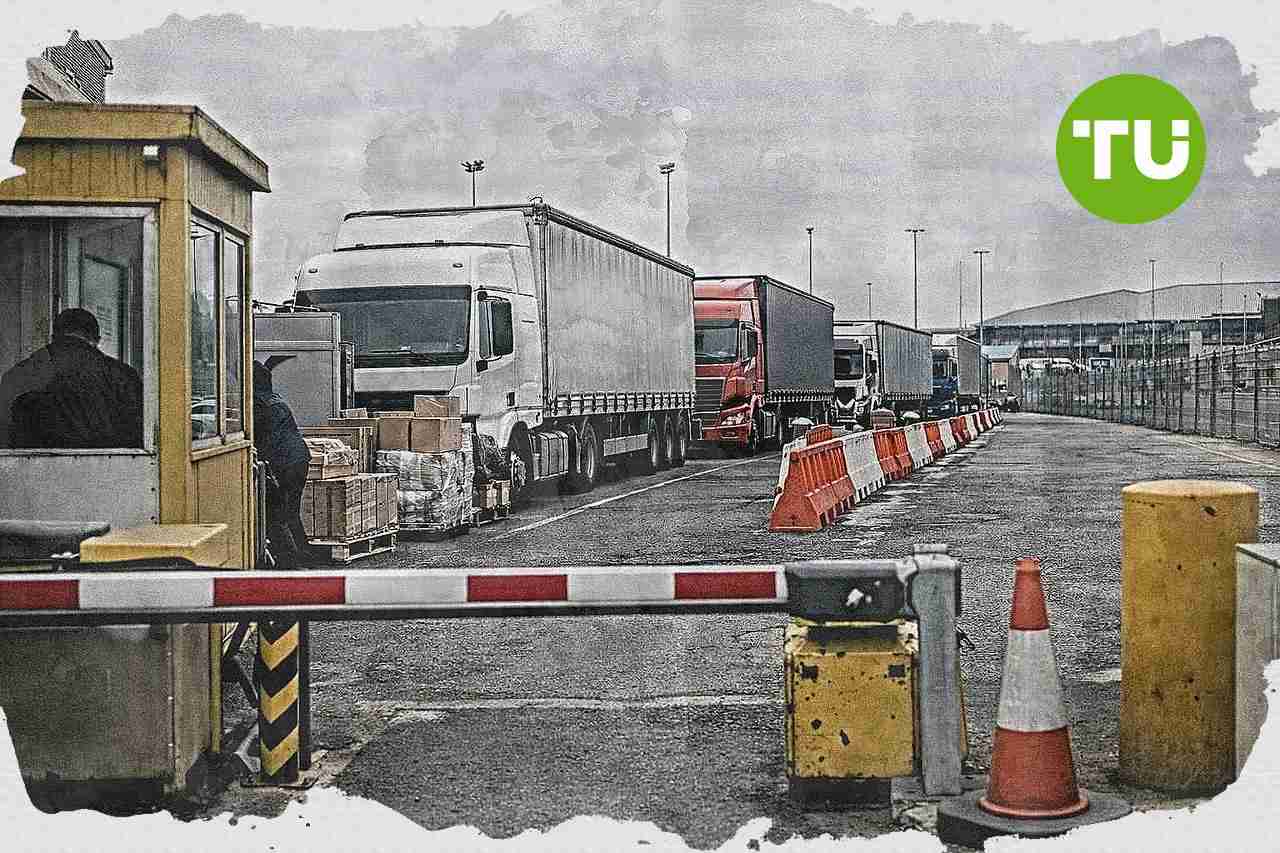
A decade after the UK voted to leave the EU, the impact of Brexit is still shaping business operations, career decisions and personal mobility for many Britons. Reader accounts collected for the anniversary point to a mix of higher trade costs, reduced education access and lasting debate over whether the shift has delivered greater national control.
Highlights
- UK business leaders report higher costs, export declines and increased trading friction in fashion, hospitality, and property sectors post-Brexit.
- Loss of EU status complicates mobility, citizenship, and retirement options for UK individuals, particularly affecting education and property decisions.
- Ten years after the referendum, debate persists between those emphasizing sovereignty gains and critics citing weaker growth, trade barriers, and reduced EU funding.
Reader accounts highlight business and mobility strains
As reported by the Financial Times, interviews with six Britons show how Brexit continues to affect sectors including fashion, property, education, hospitality supply and aviation, with experiences split between support for the decision and frustration over its practical consequences.Lucy Walsh, founder of a fashion agency, says her business was built around European brands and now faces extra costs and customs complications. She points to growing strain on the fashion industry as ties with European partners become harder to manage.
Raj Ruia, managing director of a hospitality linen supplier, describes weaker exports and more complex trading arrangements since the UK left the bloc. David Bhagat, co-founder of a property intelligence firm, says the shift from European status to that of a third-country national has made relocation and citizenship matters more difficult for his family.
Ian Andrews, a director at Athens International Airport, says the referendum changed his sense of identity and pushed his family toward securing citizenship elsewhere. His account adds a personal dimension to the economic and regulatory effects described by other respondents.
Debate over policy control and economic trade-offs continues
Jeremy Bishop, a real estate chief executive, says he would still back Brexit despite the difficulties that remain. He characterizes the change as a long-term process tied to the goal of restoring UK control over laws and decision-making rather than a one-off event.Other respondents focus on lost opportunity. Ann Groundsell, a former university lecturer, says reduced EU funding has narrowed educational options for students, especially in digital skills training, while also complicating her own plans to retire in Spain.
Taken together, the accounts reflect the broader national argument that persists 10 years after the referendum. Supporters continue to stress sovereignty, while critics point to weaker growth, higher barriers to trade and fewer chances to live and work across Europe.
In our earlier article on Andy Burnham’s expected transition from campaign promises to governing, we examined the unresolved trade-offs in his agenda—from sticking to fiscal rules to expanding public control over key services. We also noted that a major open question was how he would position Labour’s approach to Europe after Brexit, including ideas such as closer trade ties and a youth mobility scheme, alongside pressure points on immigration, housing and welfare spending.




Latest Trade Deals News









-
 Afghanistan
-
 Albania
-
 Algeria
-
 Angola
-
 Argentina
-
 Armenia
-
 Australia
-
 Austria
-
 Azerbaijan
-
 Bahamas
-
 Bahrain
-
 Bangladesh
-
 Belarus
-
 Belgium
-
 Bolivia
-
 Botswana
-
 Brazil
-
 Brunei
-
 Bulgaria
-
 Cambodia
-
 Cameroon
-
 Canada
-
 Chile
Chile
-
 China
China
-
 Colombia
-
 Congo
Congo
-
 Costa Rica
-
 Cote d'Ivoire
-
 Croatia
-
 Cuba
Cuba
-
 Cyprus
-
 Czechia
-
 DR Congo
-
 Denmark
-
 Dominican Republic
-
 Ecuador
-
 Egypt
Egypt
-
 El Salvador
-
 Estonia
-
 Eswatini
-
 Ethiopia
-
 Finland
-
 France
-
 Georgia
-
 Germany
-
 Ghana
Ghana
-
 Greece
-
 Haiti
Haiti
-
 Hong Kong
-
 Hungary
-
 India
India
-
 Indonesia
-
 Iran, Islamic republic
-
 Iraq
Iraq
-
 Ireland
-
 Israel
-
 Italy
Italy
-
 Jamaica
-
 Japan
Japan
-
 Jordan
-
 Kazakhstan
-
 Kenya
Kenya
-
 Korea
Korea
-
 Kuwait
-
 Kyrgyzstan
-
 Laos
Laos
-
 Latvia
-
 Lebanon
-
 Lesotho
-
 Libya
Libya
-
 Lithuania
-
 Luxembourg
-
 Madagascar
-
 Malaysia
-
 Malta
Malta
-
 Mauritius
-
 Mexico
-
 Moldova
-
 Mongolia
-
 Montenegro
-
 Morocco
-
 Mozambique
-
 Myanmar
-
 Namibia
-
 Nepal
Nepal
-
 Netherlands
-
 New Zealand
-
 Nigeria
-
 North Macedonia
-
 Norway
-
 Oman
Oman
-
 Pakistan
-
 Palestine
-
 Panama
-
 Papua New Guinea
-
 Paraguay
-
 Peru
Peru
-
 Philippines
-
 Poland
-
 Portugal
-
 Puerto Rico
-
 Qatar
Qatar
-
 Reunion
-
 Romania
-
 Rwanda
-
 Saudi Arabia
-
 Serbia
-
 Singapore
-
 Slovakia
-
 Slovenia
-
 Somalia
-
 South Africa
-
 Spain
Spain
-
 Sri Lanka
-
 Sweden
-
 Switzerland
-
 Syria
Syria
-
 Taiwan
-
 Tajikistan
-
 Tanzania
-
 Thailand
-
 Trinidad and Tobago
-
 Tunisia
-
 Turkey
-
 UAE
UAE
-
 Uganda
-
 Ukraine
-
 United Kingdom
-
United States
-
 Uruguay
-
 Uzbekistan
-
 Venezuela
-
 Vietnam
-
 Yemen
Yemen
-
 Zambia
-
 Zimbabwe
- Forex
- Crypto











