
Russell 1000 reconstitution set to lift Wall Street trading as SpaceX joins index

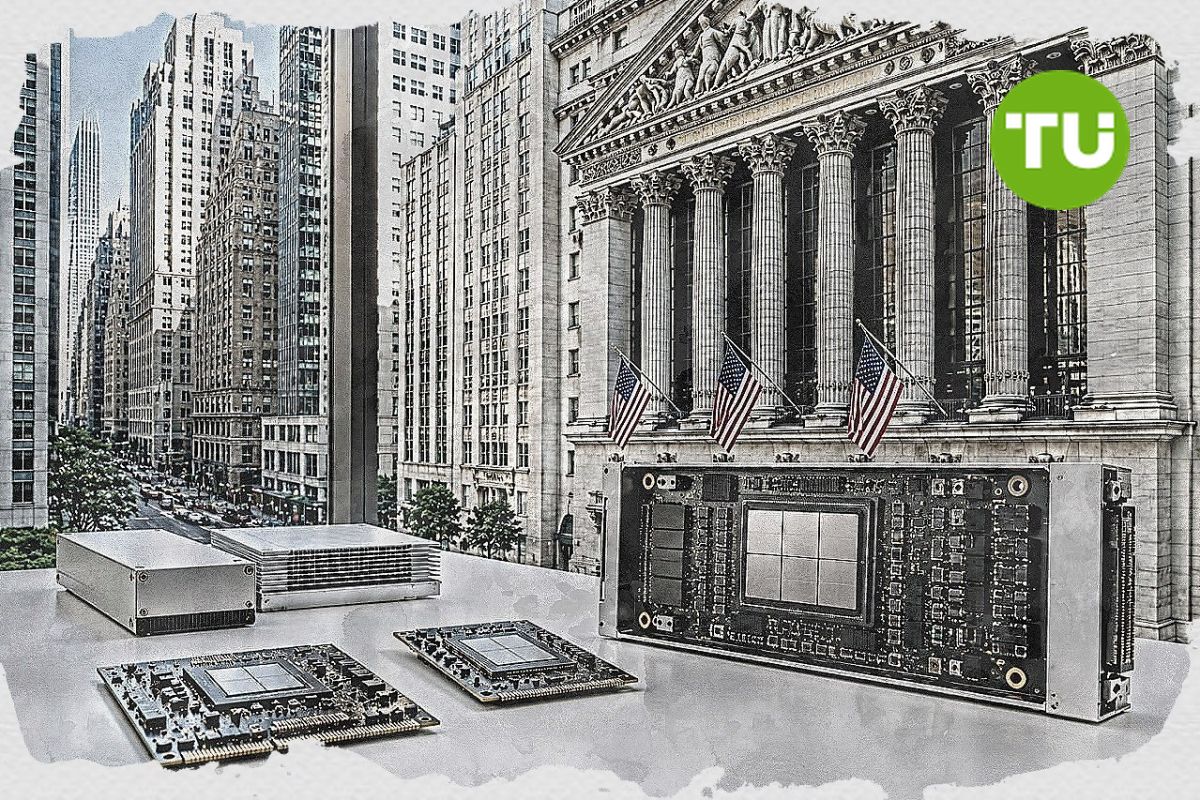
Wall Street is set for heavy trading on Friday as fund managers reposition portfolios ahead of major changes to the Russell indexes. The reshuffle includes SpaceX's fast-track entry into the Russell 1000 after its recent IPO and broader classification shifts affecting megacap and small-cap stocks.
Highlights
- FTSE Russell's rare twice-yearly reconstitution is expected to drive nearly $150 billion in trading volume on Friday as investors rebalance positions.
- SpaceX enters the Russell 1000 index classified as 90.4% growth, while Apple and Microsoft will appear in both value and growth benchmarks.
- Sixty-two companies, including 43 from the Russell 2000, join the Russell 1000 with strong sector impacts from technology, industrials, and AI-linked stocks like Micron Technology and SanDisk.
Index overhaul drives Friday volume
As reported by Reuters, FTSE Russell is carrying out one of its biggest index reorganizations on record, prompting investors to adjust holdings before the changes take effect after the U.S. market close on Friday. Trading under the new index makeup begins on Monday, and market participants expect the reconstitution to generate unusually large turnover.For the first time in more than 30 years, the Russell indexes are being reconstituted twice this year, in June and December, instead of once. Steven DeSanctis, an equity analyst at Jefferies in New York, said the latest reset could mean a really massive trade on Friday, while Stephens analyst Melissa Roberts estimated total reconstitution day trading at nearly $150 billion, making it a key liquidity event.
SpaceX is being classified as about 90.4% growth and 9.6% value, positioning the stock as a significant component of growth strategies linked to the Russell 1000. Apple and Microsoft are also affected, with both set to appear in the Russell 1000 value and growth indexes rather than only the growth benchmark.
Small-cap migration and sector impact
Historically, index rebalancing lifts trading volumes just before implementation and can influence the performance of stocks moving into larger-cap benchmarks. This year's changes are especially notable for smaller companies, with 62 businesses due to join the large-cap Russell 1000 index, including 43 moving up from the small-cap Russell 2000.The biggest share of new Russell 1000 constituents comes from the technology and industrial sectors. Roberts said turnover is higher this year because a larger number of Russell 2000 companies have performed strongly enough to move into the 1000 index.
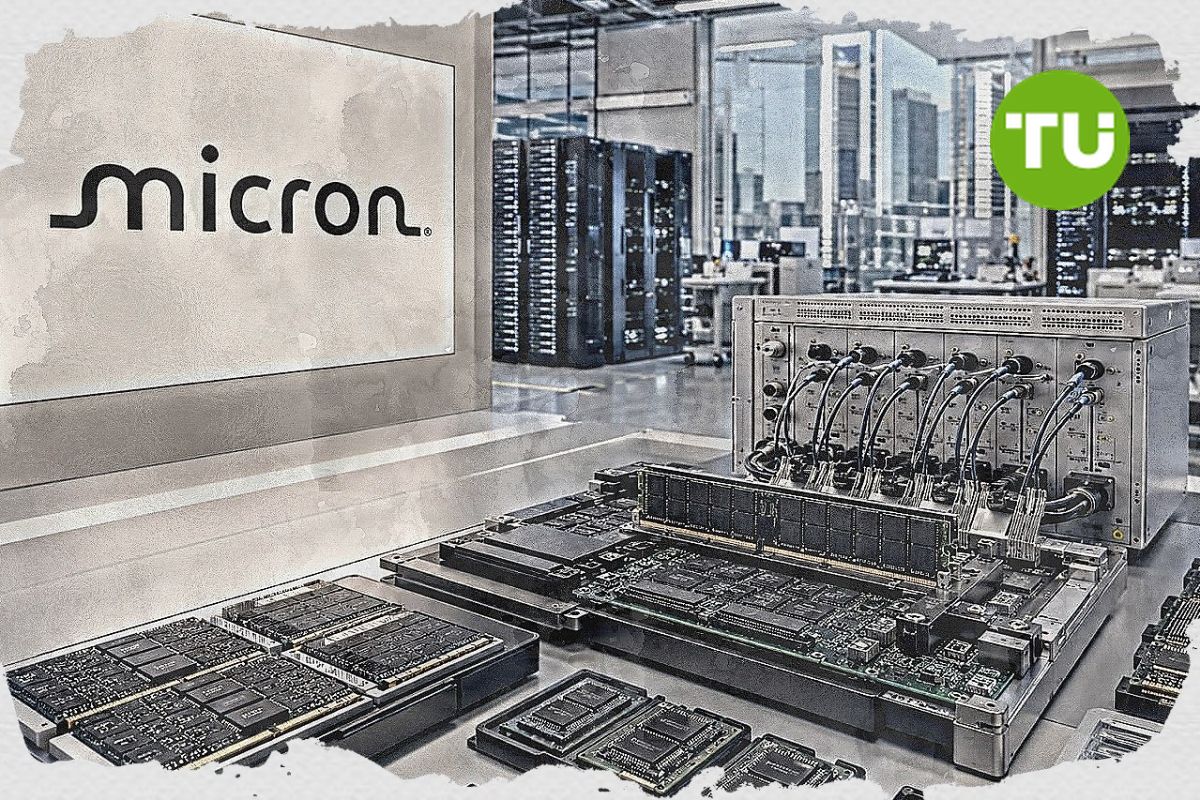
Several changes also reflect continued investor optimism around artificial intelligence. FTSE Russell says strength in semiconductor and computer hardware companies is shaping classifications, with Micron Technology and SanDisk being added to the Russell 1000 growth index, while Goldman Sachs strategists expect semiconductor stocks to post the largest weighting increases within that benchmark.
Amazon.com is moving further into value territory, while Alphabet and Advanced Micro Devices are shifting to 100% growth and rank among the largest removals from the Russell 1000 Value index. Bloom Energy marks one of the sharpest moves, jumping from the Russell 2000 to the Russell 200 megacap index after its shares rose more than 1000% from a year earlier, helped in part by agreements to supply power to AI data centers.
Our earlier coverage of AI-driven chip demand highlighted how tightening supply of high-bandwidth memory has been boosting pricing power across data centers and devices, helping lift Micron’s results. We noted Micron’s record 84.9% gross margin alongside sharply higher revenue and profits, and outlined the company’s view that tight conditions could persist beyond 2027, supported by longer-term customer agreements.








-
 Afghanistan
-
 Albania
-
 Algeria
-
 Angola
-
 Argentina
-
 Armenia
-
 Australia
-
 Austria
-
 Azerbaijan
-
 Bahamas
-
 Bahrain
-
 Bangladesh
-
 Belarus
-
 Belgium
-
 Bolivia
-
 Botswana
-
 Brazil
-
 Brunei
-
 Bulgaria
-
 Cambodia
-
 Cameroon
-
 Canada
-
 Chile
Chile
-
 China
China
-
 Colombia
-
 Congo
Congo
-
 Costa Rica
-
 Cote d'Ivoire
-
 Croatia
-
 Cuba
Cuba
-
 Cyprus
-
 Czechia
-
 DR Congo
-
 Denmark
-
 Dominican Republic
-
 Ecuador
-
 Egypt
Egypt
-
 El Salvador
-
 Estonia
-
 Eswatini
-
 Ethiopia
-
 Finland
-
 France
-
 Georgia
-
 Germany
-
 Ghana
Ghana
-
 Greece
-
 Haiti
Haiti
-
 Hong Kong
-
 Hungary
-
 India
India
-
 Indonesia
-
 Iran, Islamic republic
-
 Iraq
Iraq
-
 Ireland
-
 Israel
-
 Italy
Italy
-
 Jamaica
-
 Japan
Japan
-
 Jordan
-
 Kazakhstan
-
 Kenya
Kenya
-
 Korea
Korea
-
 Kuwait
-
 Kyrgyzstan
-
 Laos
Laos
-
 Latvia
-
 Lebanon
-
 Lesotho
-
 Libya
Libya
-
 Lithuania
-
 Luxembourg
-
 Madagascar
-
 Malaysia
-
 Malta
Malta
-
 Mauritius
-
 Mexico
-
 Moldova
-
 Mongolia
-
 Montenegro
-
 Morocco
-
 Mozambique
-
 Myanmar
-
 Namibia
-
 Nepal
Nepal
-
 Netherlands
-
 New Zealand
-
 Nigeria
-
 North Macedonia
-
 Norway
-
 Oman
Oman
-
 Pakistan
-
 Palestine
-
 Panama
-
 Papua New Guinea
-
 Paraguay
-
 Peru
Peru
-
 Philippines
-
 Poland
-
 Portugal
-
 Puerto Rico
-
 Qatar
Qatar
-
 Reunion
-
 Romania
-
 Rwanda
-
 Saudi Arabia
-
 Serbia
-
 Singapore
-
 Slovakia
-
 Slovenia
-
 Somalia
-
 South Africa
-
 Spain
Spain
-
 Sri Lanka
-
 Sweden
-
 Switzerland
-
 Syria
Syria
-
 Taiwan
-
 Tajikistan
-
 Tanzania
-
 Thailand
-
 Trinidad and Tobago
-
 Tunisia
-
 Turkey
-
 UAE
UAE
-
 Uganda
-
 Ukraine
-
 United Kingdom
-
United States
-
 Uruguay
-
 Uzbekistan
-
 Venezuela
-
 Vietnam
-
 Yemen
Yemen
-
 Zambia
-
 Zimbabwe
- Forex
- Crypto











