

Confidence in India-U.S. trade relations remains strong; Piyush Goyal dismisses concerns over agreements

At the Bloomberg New Economy Forum in New Delhi, the Indian government described its trade and strategic ties with the U.S. as stable and long-term. Commerce and Industry Minister Piyush Goyal said bilateral relations are not affected by political changes in the White House, and Washington remains India’s largest trading partner.
Highlights
- Piyush Goyal said the India-U.S. partnership, spanning trade, defence, technology, and people-to-people ties, is strong and unaffected by political changes.
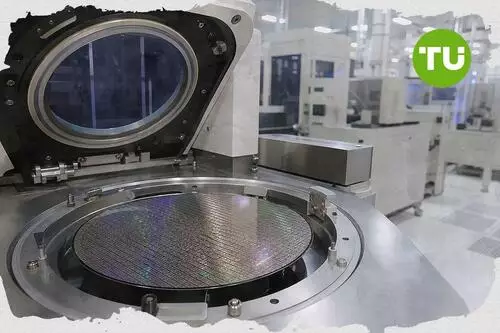
- India’s annual semiconductor chip purchases range from $130 billion to $150 billion, with the Atmanirbhar Bharat initiative emphasising domestic production in these sectors.
- India has signed trade agreements with 38 countries over the past four and a half years, increasing GDP coverage from $10 trillion to $70 trillion.
This article was translated from the original. Read the original version by our correspondent here.
Message on trade and partnership from the New Delhi forum
According to Forbes India, Piyush Goyal said on Wednesday that India sees no issue with any agreement with the U.S. and that relations between the two countries are already very strong. He said the relationship extends beyond trade to defence partnerships, technology cooperation, critical maintenance partnerships, and people-to-people ties.Goyal said India-U.S. relations transcend shifts in political thinking in either India or the U.S. and continue to strengthen. According to him, this relationship is based on economic, political, and security needs, and the rest of the world need not be concerned about it.
He also said the relationship between the two countries is extremely important and will only improve further. The minister described Washington as India’s largest trading partner and said this would remain the case in the coming years.
Self-reliance, new trade agreements, and stance on China
Goyal said the pandemic exposed India’s vulnerability when essential supplies, including vaccines, did not arrive on time. According to him, this experience accelerated Prime Minister Narendra Modi’s call for Atmanirbhar Bharat, with particular emphasis on sectors such as semiconductors, where India’s annual chip purchases range from $130 billion to $150 billion.He clarified that self-reliance does not mean isolation. Goyal said India has concluded preferential trade agreements with 38 developed countries over the past four and a half years, increasing the GDP covered by such agreements from $10 trillion before 2014 to $70 trillion.
According to him, talks are ongoing with Canada, Mexico, the Gulf Cooperation Council, Eurasia, Mercosur, and the Southern African Customs Union, SACU, among others, potentially expanding this coverage to about $85 trillion of the $115 trillion global GDP. Calling trust a key element, Goyal said India aims for a balanced mix of efficiency among friendly countries and self-reliance in critical sectors. On China, he said India is open to engagement, provided it receives a fair deal, consistency, and geopolitical stability.
Our previous report on delays in the India–U.S. trade agreement outlined the potential impact of related duty/tariff uncertainty on Indian exports, investment, and market sentiment. It also highlighted that if current negotiations drag on, Indian exporters could face a greater and more lasting risk of tariff-related disadvantages compared with competitors, while the final impact will largely depend on policy decisions and the scope of tariffs.





Latest India News




-
 Afghanistan
-
 Albania
-
 Algeria
-
 Angola
-
 Argentina
-
 Armenia
-
 Australia
-
 Austria
-
 Azerbaijan
-
 Bahamas
-
 Bahrain
-
 Bangladesh
-
 Belarus
-
 Belgium
-
 Bolivia
-
 Botswana
-
 Brazil
-
 Brunei
-
 Bulgaria
-
 Cambodia
-
 Cameroon
-
 Canada
-
 Chile
Chile
-
 China
China
-
 Colombia
-
 Congo
Congo
-
 Costa Rica
-
 Cote d'Ivoire
-
 Croatia
-
 Cuba
Cuba
-
 Cyprus
-
 Czechia
-
 DR Congo
-
 Denmark
-
 Dominican Republic
-
 Ecuador
-
 Egypt
Egypt
-
 El Salvador
-
 Estonia
-
 Eswatini
-
 Ethiopia
-
 Finland
-
 France
-
 Georgia
-
 Germany
-
 Ghana
Ghana
-
 Greece
-
 Haiti
Haiti
-
 Hong Kong
-
 Hungary
-
 India
India
-
 Indonesia
-
 Iran, Islamic republic
-
 Iraq
Iraq
-
 Ireland
-
 Israel
-
 Italy
Italy
-
 Jamaica
-
 Japan
Japan
-
 Jordan
-
 Kazakhstan
-
 Kenya
Kenya
-
 Korea
Korea
-
 Kuwait
-
 Kyrgyzstan
-
 Laos
Laos
-
 Latvia
-
 Lebanon
-
 Lesotho
-
 Libya
Libya
-
 Lithuania
-
 Luxembourg
-
 Madagascar
-
 Malaysia
-
 Malta
Malta
-
 Mauritius
-
 Mexico
-
 Moldova
-
 Mongolia
-
 Montenegro
-
 Morocco
-
 Mozambique
-
 Myanmar
-
 Namibia
-
 Nepal
Nepal
-
 Netherlands
-
 New Zealand
-
 Nigeria
-
 North Macedonia
-
 Norway
-
 Oman
Oman
-
 Pakistan
-
 Palestine
-
 Panama
-
 Papua New Guinea
-
 Paraguay
-
 Peru
Peru
-
 Philippines
-
 Poland
-
 Portugal
-
 Puerto Rico
-
 Qatar
Qatar
-
 Reunion
-
 Romania
-
 Rwanda
-
 Saudi Arabia
-
 Serbia
-
 Singapore
-
 Slovakia
-
 Slovenia
-
 Somalia
-
 South Africa
-
 Spain
Spain
-
 Sri Lanka
-
 Sweden
-
 Switzerland
-
 Syria
Syria
-
 Taiwan
-
 Tajikistan
-
 Tanzania
-
 Thailand
-
 Trinidad and Tobago
-
 Tunisia
-
 Turkey
-
 UAE
UAE
-
 Uganda
-
 Ukraine
-
 United Kingdom
-
United States
-
 Uruguay
-
 Uzbekistan
-
 Venezuela
-
 Vietnam
-
 Yemen
Yemen
-
 Zambia
-
 Zimbabwe
- Forex
- Crypto












