
South Africa faces 30% tariff as U.S. presses trade strategy
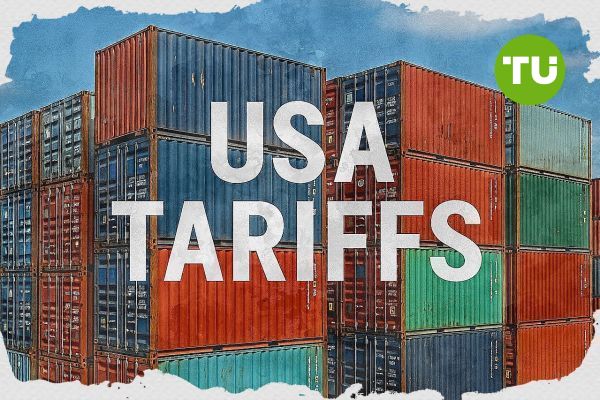
President Donald Trump has taken a step that will undoubtedly have a significant impact on South Africa's economy by imposing a 30% tariff on goods exported from South Africa, effective from August 7.
According to BBC, this decision, made public on Friday, marks the culmination of a growing strain in trade relations between the two nations, with the new tariff surpassing the 15% duties placed on several other African countries, including Nigeria, Ghana, Lesotho, and Zimbabwe.
South Africa, which depends heavily on the U.S. as its second-largest trading partner, stands to be the hardest hit. The country’s exports to the U.S. cover a wide range of goods, and this tariff hike is expected to add considerable pressure to its already fragile economic conditions. The U.S. has been increasingly using tariffs as a tool to address trade imbalances, and this latest measure reflects ongoing tensions with South African leadership under President Cyril Ramaphosa.
The tariff hike is expected to drive up prices on various consumer goods in the U.S., adding fuel to concerns over inflation. For South Africa, the impact of these tariffs could further exacerbate the economic challenges the nation is already facing. In the broader context, these tariff measures come amid a global shift towards protectionism, with the U.S. leveraging such actions to safeguard its economic interests.
Key impact on South Africa and other countries
The 30% tariff on South Africa, alongside the 15% tariffs on other African nations, signals a significant shift in U.S. trade policy. These moves are part of President Trump’s broader strategy to reduce trade deficits with various nations, and they come at a time when economic uncertainty is already widespread.
For South Africa, the impact of these tariffs will be multifaceted. The new tax on exports will likely strain its trade balance and reduce the competitiveness of its goods in the U.S. market. As the U.S. is a key trade partner, the move could also affect diplomatic and economic relations between the two countries, deepening the trade rift.
Outlook and future implications
The decision to impose a 30% tariff on South African goods is expected to have far-reaching consequences for the country's economy. As the second-largest trading partner of South Africa, the United States plays a vital role in the export sector. With the new tariffs in place, South African businesses may face reduced demand for their goods in the US market, leading to potential job losses and slowed economic growth. Furthermore, this move could strain diplomatic relations between the two nations, creating challenges for future trade agreements. South Africa will need to seek alternative markets and diplomatic solutions to mitigate the impact of these tariffs and preserve its economic stability.
As we wrote, SARB may cut interest rates to 7% as U.S. tariffs loom.




Latest South Africa News








-
 Afghanistan
-
 Albania
-
 Algeria
-
 Angola
-
 Argentina
-
 Armenia
-
 Australia
-
 Austria
-
 Azerbaijan
-
 Bahamas
-
 Bahrain
-
 Bangladesh
-
 Belarus
-
 Belgium
-
 Bolivia
-
 Botswana
-
 Brazil
-
 Brunei
-
 Bulgaria
-
 Cambodia
-
 Cameroon
-
 Canada
-
 Chile
Chile
-
 China
China
-
 Colombia
-
 Congo
Congo
-
 Costa Rica
-
 Cote d'Ivoire
-
 Croatia
-
 Cuba
Cuba
-
 Cyprus
-
 Czechia
-
 DR Congo
-
 Denmark
-
 Dominican Republic
-
 Ecuador
-
 Egypt
Egypt
-
 El Salvador
-
 Estonia
-
 Eswatini
-
 Ethiopia
-
 Finland
-
 France
-
 Georgia
-
 Germany
-
 Ghana
Ghana
-
 Greece
-
 Haiti
Haiti
-
 Hong Kong
-
 Hungary
-
 India
India
-
 Indonesia
-
 Iran, Islamic republic
-
 Iraq
Iraq
-
 Ireland
-
 Israel
-
 Italy
Italy
-
 Jamaica
-
 Japan
Japan
-
 Jordan
-
 Kazakhstan
-
 Kenya
Kenya
-
 Korea
Korea
-
 Kuwait
-
 Kyrgyzstan
-
 Laos
Laos
-
 Latvia
-
 Lebanon
-
 Lesotho
-
 Libya
Libya
-
 Lithuania
-
 Luxembourg
-
 Madagascar
-
 Malaysia
-
 Malta
Malta
-
 Mauritius
-
 Mexico
-
 Moldova
-
 Mongolia
-
 Montenegro
-
 Morocco
-
 Mozambique
-
 Myanmar
-
 Namibia
-
 Nepal
Nepal
-
 Netherlands
-
 New Zealand
-
 Nigeria
-
 North Macedonia
-
 Norway
-
 Oman
Oman
-
 Pakistan
-
 Palestine
-
 Panama
-
 Papua New Guinea
-
 Paraguay
-
 Peru
Peru
-
 Philippines
-
 Poland
-
 Portugal
-
 Puerto Rico
-
 Qatar
Qatar
-
 Reunion
-
 Romania
-
 Rwanda
-
 Saudi Arabia
-
 Serbia
-
 Singapore
-
 Slovakia
-
 Slovenia
-
 Somalia
-
 South Africa
-
 Spain
Spain
-
 Sri Lanka
-
 Sweden
-
 Switzerland
-
 Syria
Syria
-
 Taiwan
-
 Tajikistan
-
 Tanzania
-
 Thailand
-
 Trinidad and Tobago
-
 Tunisia
-
 Turkey
-
 UAE
UAE
-
 Uganda
-
 Ukraine
-
 United Kingdom
-
United States
-
 Uruguay
-
 Uzbekistan
-
 Venezuela
-
 Vietnam
-
 Yemen
Yemen
-
 Zambia
-
 Zimbabwe
- Forex
- Crypto












