
South African rand recovers after 30% U.S. tariffs spark decline
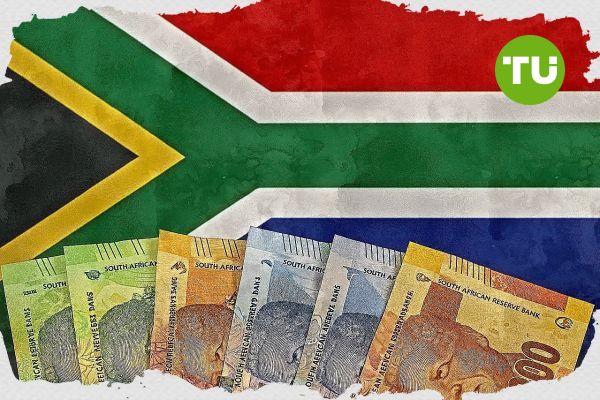
The South African rand showed resilience on Monday, recovering to R17.98 per US dollar after dropping to R18.35 on Friday.
The dip was largely triggered by President Donald Trump's 30% tariff announcement, but the rand rebounded as the U.S. dollar weakened following a disappointing US jobs report, MoneyWeb reported.
The recovery was aided by a broader market shift, with emerging market currencies, including the rand, strengthening in response to expectations of Federal Reserve rate cuts.
Uncertainty and Recovery
On Friday, the rand had initially fallen sharply due to the tariff news, reaching R18.35 before recovering to R18.05 by the close. This volatility came as South African authorities scrambled to negotiate better terms with the US to avert the new tariffs. The economic uncertainty surrounding the situation was compounded by the US's weaker-than-expected payroll data, which further spurred a risk-off sentiment in the market.
Despite the tariff concerns, the rand's recovery was seen as a positive indicator of the currency's resilience amid global uncertainty.
"The rand is consolidating around R18, supported by expectations of an improved trade deal and the possibility of a Fed rate cut," said Andre Cilliers, currency strategist at TreasuryONE.
Global impact and emerging market strength
The weakening of the US dollar following the poor payroll data contributed to a rally in emerging market currencies, with the MSCI’s EM currency gauge rising by 0.5%—the largest gain in over a month. The weaker U.S. job creation data has fueled expectations of rate cuts by the Federal Reserve, which could provide further support to emerging markets, including the South African rand.
However, the outlook remains uncertain, as the implementation of higher US tariffs could still pressure exports, particularly from emerging markets like South Africa. Investors are keenly awaiting the outcome of discussions between South African President Cyril Ramaphosa and President Donald Trump, hoping for a resolution that could help stabilize the rand.
Conclusion
While the rand has made a strong recovery, the overall market remains cautious as the US-South Africa trade negotiations continue. The impact of the 30% tariff, along with the ongoing global economic uncertainty, could influence the rand's trajectory in the coming weeks.
Investors will be closely monitoring future US economic data and the Federal Reserve's policy decisions, which will likely play a significant role in shaping the currency markets.
We were also informed that South African workers see modest wage stability amid rising economic risks.





Latest South Africa News








-
 Afghanistan
-
 Albania
-
 Algeria
-
 Angola
-
 Argentina
-
 Armenia
-
 Australia
-
 Austria
-
 Azerbaijan
-
 Bahamas
-
 Bahrain
-
 Bangladesh
-
 Belarus
-
 Belgium
-
 Bolivia
-
 Botswana
-
 Brazil
-
 Brunei
-
 Bulgaria
-
 Cambodia
-
 Cameroon
-
 Canada
-
 Chile
Chile
-
 China
China
-
 Colombia
-
 Congo
Congo
-
 Costa Rica
-
 Cote d'Ivoire
-
 Croatia
-
 Cuba
Cuba
-
 Cyprus
-
 Czechia
-
 DR Congo
-
 Denmark
-
 Dominican Republic
-
 Ecuador
-
 Egypt
Egypt
-
 El Salvador
-
 Estonia
-
 Eswatini
-
 Ethiopia
-
 Finland
-
 France
-
 Georgia
-
 Germany
-
 Ghana
Ghana
-
 Greece
-
 Haiti
Haiti
-
 Hong Kong
-
 Hungary
-
 India
India
-
 Indonesia
-
 Iran, Islamic republic
-
 Iraq
Iraq
-
 Ireland
-
 Israel
-
 Italy
Italy
-
 Jamaica
-
 Japan
Japan
-
 Jordan
-
 Kazakhstan
-
 Kenya
Kenya
-
 Korea
Korea
-
 Kuwait
-
 Kyrgyzstan
-
 Laos
Laos
-
 Latvia
-
 Lebanon
-
 Lesotho
-
 Libya
Libya
-
 Lithuania
-
 Luxembourg
-
 Madagascar
-
 Malaysia
-
 Malta
Malta
-
 Mauritius
-
 Mexico
-
 Moldova
-
 Mongolia
-
 Montenegro
-
 Morocco
-
 Mozambique
-
 Myanmar
-
 Namibia
-
 Nepal
Nepal
-
 Netherlands
-
 New Zealand
-
 Nigeria
-
 North Macedonia
-
 Norway
-
 Oman
Oman
-
 Pakistan
-
 Palestine
-
 Panama
-
 Papua New Guinea
-
 Paraguay
-
 Peru
Peru
-
 Philippines
-
 Poland
-
 Portugal
-
 Puerto Rico
-
 Qatar
Qatar
-
 Reunion
-
 Romania
-
 Rwanda
-
 Saudi Arabia
-
 Serbia
-
 Singapore
-
 Slovakia
-
 Slovenia
-
 Somalia
-
 South Africa
-
 Spain
Spain
-
 Sri Lanka
-
 Sweden
-
 Switzerland
-
 Syria
Syria
-
 Taiwan
-
 Tajikistan
-
 Tanzania
-
 Thailand
-
 Trinidad and Tobago
-
 Tunisia
-
 Turkey
-
 UAE
UAE
-
 Uganda
-
 Ukraine
-
 United Kingdom
-
United States
-
 Uruguay
-
 Uzbekistan
-
 Venezuela
-
 Vietnam
-
 Yemen
Yemen
-
 Zambia
-
 Zimbabwe
- Forex
- Crypto












