
Pakistan moves toward state asset tokenization with Binance MoU
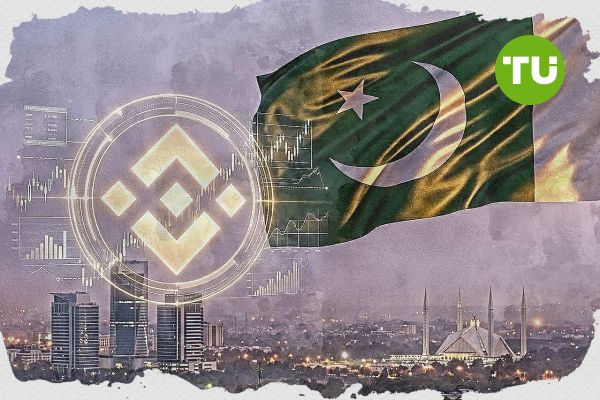
Pakistan has signed a non-binding memorandum of understanding with Binance to explore tokenizing up to $2 billion in state-owned assets and advancing plans for a sovereign stablecoin.
Under the agreement, Binance will act as an advisor on blockchain-based issuance of sovereign bonds, treasury bills, and commodity-linked assets such as oil, gas, and metals, reports Crypto News.
Finance Minister Muhammad Aurangzeb framed the MoU as the start of a long-term partnership focused on fast execution and high implementation standards. The agreement does not yet authorize live operations and will require binding contracts within six months. Any next steps remain subject to regulatory approvals and technical assessments. Binance founder Changpeng Zhao said the MoU reflects Pakistan’s intent to move from experimentation toward real deployment. The initiative positions tokenization as a financing and distribution tool rather than a speculative exercise.
Stablecoin ambitions and phased licensing framework
Alongside the MoU, Pakistan’s regulator granted preliminary clearances to Binance and HTX, allowing both exchanges to enter the country’s phased licensing regime. The approvals enable registration with Pakistan’s anti-money laundering framework and preparation for full license applications, though trading operations are not yet permitted. Officials confirmed that the process is designed to gradually integrate global exchanges into a regulated environment.
Pakistan is also planning a sovereign stablecoin that could be used to collateralize government debt and improve settlement efficiency. In parallel, the central bank is piloting a central bank digital currency to test domestic payment use cases. Together, these initiatives suggest a layered approach combining stablecoins, tokenization, and CBDC experimentation. Authorities appear focused on balancing innovation with regulatory control.
Crypto adoption and broader digital asset strategy
The Binance MoU fits into Pakistan’s wider push to formalize its fast-growing crypto market. The country ranks among the world’s largest crypto markets by retail participation, with an estimated 40 million users and annual trading volumes above $300 billion, according to industry data. Recent steps include the creation of the Pakistan Crypto Council and the Pakistan Virtual Assets Regulatory Authority to coordinate policy and supervision.
Officials have repeatedly emphasized that tokenization and stablecoins are being explored as tools for capital formation and financial inclusion. By engaging major global exchanges at an early advisory stage, Pakistan is signaling openness to institutional-grade infrastructure. However, the non-binding nature of the agreement underscores that execution risks remain. The coming year will determine whether these plans translate into licensed operations and on-chain state assets.
Recently we wrote that Spain’s securities regulator, the CNMV, has published a detailed Q&A explaining how it will apply the EU’s Markets in Crypto-Assets Regulation in practice.



Latest Binance News



-
 Afghanistan
-
 Albania
-
 Algeria
-
 Angola
-
 Argentina
-
 Armenia
-
 Australia
-
 Austria
-
 Azerbaijan
-
 Bahamas
-
 Bahrain
-
 Bangladesh
-
 Belarus
-
 Belgium
-
 Bolivia
-
 Botswana
-
 Brazil
-
 Brunei
-
 Bulgaria
-
 Cambodia
-
 Cameroon
-
 Canada
-
 Chile
Chile
-
 China
China
-
 Colombia
-
 Congo
Congo
-
 Costa Rica
-
 Cote d'Ivoire
-
 Croatia
-
 Cuba
Cuba
-
 Cyprus
-
 Czechia
-
 DR Congo
-
 Denmark
-
 Dominican Republic
-
 Ecuador
-
 Egypt
Egypt
-
 El Salvador
-
 Estonia
-
 Eswatini
-
 Ethiopia
-
 Finland
-
 France
-
 Georgia
-
 Germany
-
 Ghana
Ghana
-
 Greece
-
 Haiti
Haiti
-
 Hong Kong
-
 Hungary
-
 India
India
-
 Indonesia
-
 Iran, Islamic republic
-
 Iraq
Iraq
-
 Ireland
-
 Israel
-
 Italy
Italy
-
 Jamaica
-
 Japan
Japan
-
 Jordan
-
 Kazakhstan
-
 Kenya
Kenya
-
 Korea
Korea
-
 Kuwait
-
 Kyrgyzstan
-
 Laos
Laos
-
 Latvia
-
 Lebanon
-
 Lesotho
-
 Libya
Libya
-
 Lithuania
-
 Luxembourg
-
 Madagascar
-
 Malaysia
-
 Malta
Malta
-
 Mauritius
-
 Mexico
-
 Moldova
-
 Mongolia
-
 Montenegro
-
 Morocco
-
 Mozambique
-
 Myanmar
-
 Namibia
-
 Nepal
Nepal
-
 Netherlands
-
 New Zealand
-
 Nigeria
-
 North Macedonia
-
 Norway
-
 Oman
Oman
-
 Pakistan
-
 Palestine
-
 Panama
-
 Papua New Guinea
-
 Paraguay
-
 Peru
Peru
-
 Philippines
-
 Poland
-
 Portugal
-
 Puerto Rico
-
 Qatar
Qatar
-
 Reunion
-
 Romania
-
 Rwanda
-
 Saudi Arabia
-
 Serbia
-
 Singapore
-
 Slovakia
-
 Slovenia
-
 Somalia
-
 South Africa
-
 Spain
Spain
-
 Sri Lanka
-
 Sweden
-
 Switzerland
-
 Syria
Syria
-
 Taiwan
-
 Tajikistan
-
 Tanzania
-
 Thailand
-
 Trinidad and Tobago
-
 Tunisia
-
 Turkey
-
 UAE
UAE
-
 Uganda
-
 Ukraine
-
 United Kingdom
-
United States
-
 Uruguay
-
 Uzbekistan
-
 Venezuela
-
 Vietnam
-
 Yemen
Yemen
-
 Zambia
-
 Zimbabwe
- Forex
- Crypto












