
Franklin Templeton and Ondo launch tokenized ETFs for global investors
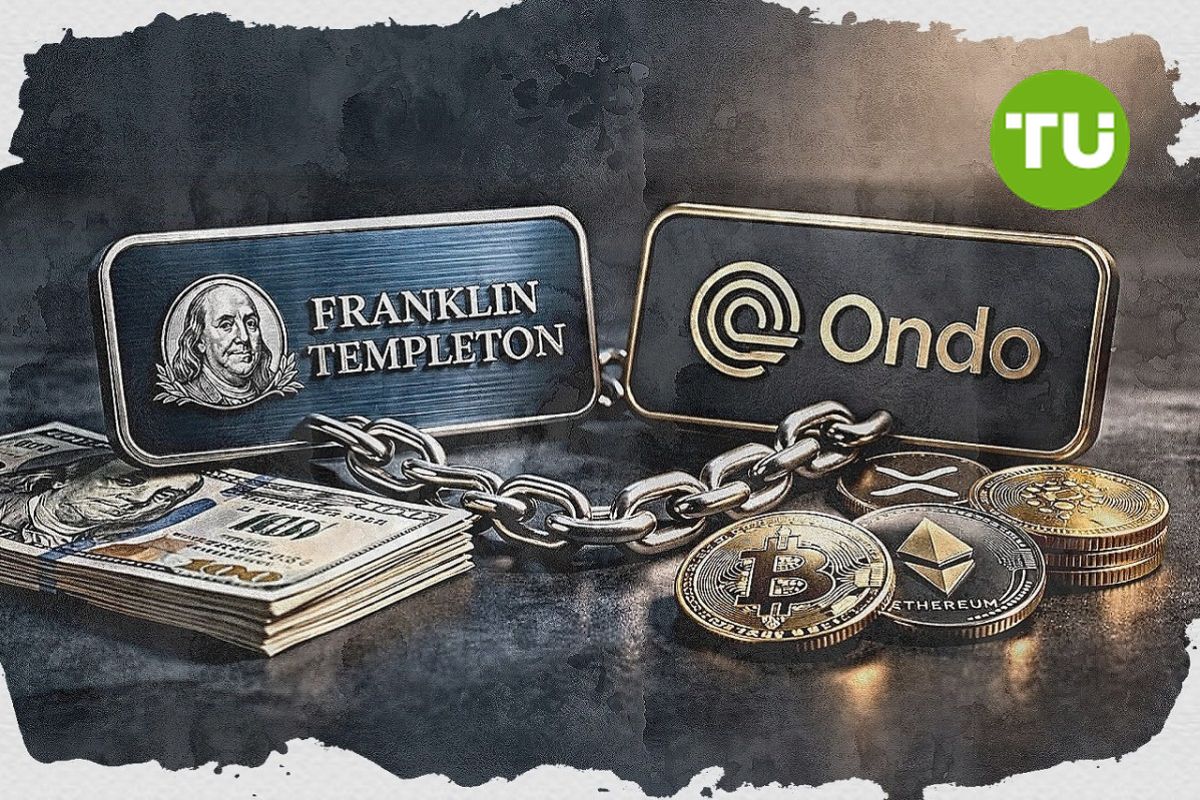
Franklin Templeton, which manages $1.7 trillion in assets, has partnered with Ondo Finance to launch tokenized exchange-traded funds (ETFs). The initiative aims to enable 24/7 trading of established financial products via crypto wallets, without requiring brokerage accounts.
Highlights
- Franklin Templeton and Ondo launch tokenized ETFs for global markets
- Investors gain 24/7 access to traditional assets via crypto wallets
- Partnership signals shift toward scalable blockchain finance infrastructure
A familiar product in a new wrapper
Ondo Finance announced the collaboration to bring tokenized versions of traditional investment products onto the blockchain.
As part of the partnership, Ondo Global Markets will issue tokens backed by real-world assets such as stocks and ETFs, while Franklin Templeton will provide financial products and educational resources for crypto users unfamiliar with long-term portfolio strategies.
Initially, the offering will include U.S. equities, fixed income instruments, and gold-related assets. These will be available across Europe, Asia-Pacific, the Middle East, and Latin America, while access in the United States will depend on regulatory clarity.
The structure предусматривает that Ondo holds ETF shares through a special purpose vehicle (SPV) and issues tokens that grant investors rights to income rather than direct ownership of the underlying assets. These tokens can also be used as collateral and within DeFi applications.
Blockchain transformation of financial markets
Franklin Templeton’s $1.7 trillion scale, combined with Ondo’s approximately $2.7 billion in tokenized assets, highlights a shift from experimental blockchain use cases to practical deployment in distributing traditional financial products.
Where tokenization was once considered niche, the involvement of a major asset manager signals a move toward scalable models in which blockchain acts as a new access layer for conventional instruments rather than a replacement.
Equally important is the transformation of user experience: access to ETFs via crypto wallets and the ability to integrate assets into DeFi creates a hybrid financial model. Over time, this could reduce the role of traditional brokers and intensify competition for global retail investors—especially in regions outside the U.S., where regulatory barriers are lower and adoption may accelerate.









-
 Afghanistan
-
 Albania
-
 Algeria
-
 Angola
-
 Argentina
-
 Armenia
-
 Australia
-
 Austria
-
 Azerbaijan
-
 Bahamas
-
 Bahrain
-
 Bangladesh
-
 Belarus
-
 Belgium
-
 Bolivia
-
 Botswana
-
 Brazil
-
 Brunei
-
 Bulgaria
-
 Cambodia
-
 Cameroon
-
 Canada
-
 Chile
Chile
-
 China
China
-
 Colombia
-
 Congo
Congo
-
 Costa Rica
-
 Cote d'Ivoire
-
 Croatia
-
 Cuba
Cuba
-
 Cyprus
-
 Czechia
-
 DR Congo
-
 Denmark
-
 Dominican Republic
-
 Ecuador
-
 Egypt
Egypt
-
 El Salvador
-
 Estonia
-
 Eswatini
-
 Ethiopia
-
 Finland
-
 France
-
 Georgia
-
 Germany
-
 Ghana
Ghana
-
 Greece
-
 Haiti
Haiti
-
 Hong Kong
-
 Hungary
-
 India
India
-
 Indonesia
-
 Iran, Islamic republic
-
 Iraq
Iraq
-
 Ireland
-
 Israel
-
 Italy
Italy
-
 Jamaica
-
 Japan
Japan
-
 Jordan
-
 Kazakhstan
-
 Kenya
Kenya
-
 Korea
Korea
-
 Kuwait
-
 Kyrgyzstan
-
 Laos
Laos
-
 Latvia
-
 Lebanon
-
 Lesotho
-
 Libya
Libya
-
 Lithuania
-
 Luxembourg
-
 Madagascar
-
 Malaysia
-
 Malta
Malta
-
 Mauritius
-
 Mexico
-
 Moldova
-
 Mongolia
-
 Montenegro
-
 Morocco
-
 Mozambique
-
 Myanmar
-
 Namibia
-
 Nepal
Nepal
-
 Netherlands
-
 New Zealand
-
 Nigeria
-
 North Macedonia
-
 Norway
-
 Oman
Oman
-
 Pakistan
-
 Palestine
-
 Panama
-
 Papua New Guinea
-
 Paraguay
-
 Peru
Peru
-
 Philippines
-
 Poland
-
 Portugal
-
 Puerto Rico
-
 Qatar
Qatar
-
 Reunion
-
 Romania
-
 Rwanda
-
 Saudi Arabia
-
 Serbia
-
 Singapore
-
 Slovakia
-
 Slovenia
-
 Somalia
-
 South Africa
-
 Spain
Spain
-
 Sri Lanka
-
 Sweden
-
 Switzerland
-
 Syria
Syria
-
 Taiwan
-
 Tajikistan
-
 Tanzania
-
 Thailand
-
 Trinidad and Tobago
-
 Tunisia
-
 Turkey
-
 UAE
UAE
-
 Uganda
-
 Ukraine
-
 United Kingdom
-
United States
-
 Uruguay
-
 Uzbekistan
-
 Venezuela
-
 Vietnam
-
 Yemen
Yemen
-
 Zambia
-
 Zimbabwe
- Forex
- Crypto












