Vitalik Buterin says low-risk DeFi could become Ethereums breakthrough app
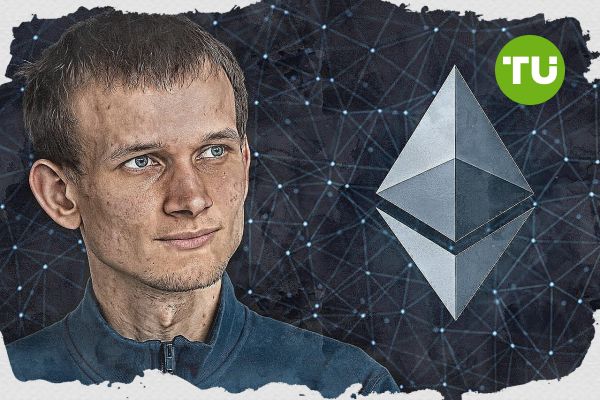
Ethereum co-founder Vitalik Buterin has called for greater focus on “low-risk DeFi,” arguing that it could become Ethereum’s most important application and provide the economic foundation the ecosystem needs for sustainable growth.
On his website, Buterin noted that the Ethereum community has long wrestled with a divide between two types of projects: those that generate enough revenue to sustain the network, such as NFTs and speculative tokens, and those that reflect Ethereum’s broader ideals, such as decentralized identity or prediction markets. The former often attracted heavy use but lacked long-term value, while the latter delivered cultural impact but failed to generate significant fees.
Buterin suggested that this tension may now be easing. In a new post, he argued that Ethereum has finally found its equivalent of Google’s search engine: a reliable, scalable revenue generator that also aligns with community goals. For Ethereum, that role could be filled by low-risk decentralized finance services—stablecoin savings, fully collateralized lending, synthetic assets, and global payment access.
Why DeFi matters now
Buterin admitted he was once skeptical of DeFi, which often relied on speculative hype and unstable yields. But, he said, the landscape has changed. Protocols have become more secure, risks have decreased, and core stable products are gaining traction. Hacks and failures still occur, but they are increasingly confined to the riskier corners of the ecosystem.
In contrast, mainstream DeFi services now provide practical value—global access to savings in major currencies, bonds, or equities—that traditional finance often restricts. For people in unstable economies, Buterin argued, DeFi may actually carry lower risks than traditional banking.
Alignment with Ethereum’s culture
According to Buterin, low-risk DeFi checks all the right boxes. It drives economic activity on Ethereum by using ETH as collateral and generating steady transaction fees. At the same time, it delivers a socially meaningful service: democratizing access to wealth-building tools. Unlike speculative tokens, it does not undermine Ethereum’s decentralized ethos or push the protocol toward centralization.
Buterin contrasted this with Google, where dependence on advertising created incentives to hoard user data and move away from its open-source roots. Ethereum, he said, has the chance to avoid these pitfalls by aligning growth with its cultural values.
What comes next
Looking ahead, Buterin sees low-risk DeFi as a base layer for more ambitious innovations: reputation-based lending, more advanced prediction markets, and alternatives to dollar-based assets, including inflation-protected “flatcoins.”
He concluded that low-risk DeFi is already making Ethereum more resilient while addressing real-world needs. Unlike speculative hype cycles, it offers both sustainability and legitimacy—qualities that could define Ethereum’s long-term success.
See also: Vitalik Buterin comments on the vulnerability that occurred after the ChatGPT update













-
 Afghanistan
-
 Albania
-
 Algeria
-
 Angola
-
 Argentina
-
 Armenia
-
 Australia
-
 Austria
-
 Azerbaijan
-
 Bahamas
-
 Bahrain
-
 Bangladesh
-
 Belarus
-
 Belgium
-
 Bolivia
-
 Botswana
-
 Brazil
-
 Brunei
-
 Bulgaria
-
 Cambodia
-
 Cameroon
-
 Canada
-
 Chile
Chile
-
 China
China
-
 Colombia
-
 Congo
Congo
-
 Costa Rica
-
 Cote d'Ivoire
-
 Croatia
-
 Cuba
Cuba
-
 Cyprus
-
 Czechia
-
 DR Congo
-
 Denmark
-
 Dominican Republic
-
 Ecuador
-
 Egypt
Egypt
-
 El Salvador
-
 Estonia
-
 Eswatini
-
 Ethiopia
-
 Finland
-
 France
-
 Georgia
-
 Germany
-
 Ghana
Ghana
-
 Greece
-
 Haiti
Haiti
-
 Hong Kong
-
 Hungary
-
 India
India
-
 Indonesia
-
 Iran, Islamic republic
-
 Iraq
Iraq
-
 Ireland
-
 Israel
-
 Italy
Italy
-
 Jamaica
-
 Japan
Japan
-
 Jordan
-
 Kazakhstan
-
 Kenya
Kenya
-
 Korea
Korea
-
 Kuwait
-
 Kyrgyzstan
-
 Laos
Laos
-
 Latvia
-
 Lebanon
-
 Lesotho
-
 Libya
Libya
-
 Lithuania
-
 Luxembourg
-
 Madagascar
-
 Malaysia
-
 Malta
Malta
-
 Mauritius
-
 Mexico
-
 Moldova
-
 Mongolia
-
 Montenegro
-
 Morocco
-
 Mozambique
-
 Myanmar
-
 Namibia
-
 Nepal
Nepal
-
 Netherlands
-
 New Zealand
-
 Nigeria
-
 North Macedonia
-
 Norway
-
 Oman
Oman
-
 Pakistan
-
 Palestine
-
 Panama
-
 Papua New Guinea
-
 Paraguay
-
 Peru
Peru
-
 Philippines
-
 Poland
-
 Portugal
-
 Puerto Rico
-
 Qatar
Qatar
-
 Reunion
-
 Romania
-
 Rwanda
-
 Saudi Arabia
-
 Serbia
-
 Singapore
-
 Slovakia
-
 Slovenia
-
 Somalia
-
 South Africa
-
 Spain
Spain
-
 Sri Lanka
-
 Sweden
-
 Switzerland
-
 Syria
Syria
-
 Taiwan
-
 Tajikistan
-
 Tanzania
-
 Thailand
-
 Trinidad and Tobago
-
 Tunisia
-
 Turkey
-
 UAE
UAE
-
 Uganda
-
 Ukraine
-
 United Kingdom
-
United States
-
 Uruguay
-
 Uzbekistan
-
 Venezuela
-
 Vietnam
-
 Yemen
Yemen
-
 Zambia
-
 Zimbabwe
- Forex
- Crypto












