The tweet was deleted by the author.
But we saved everything 🙂.

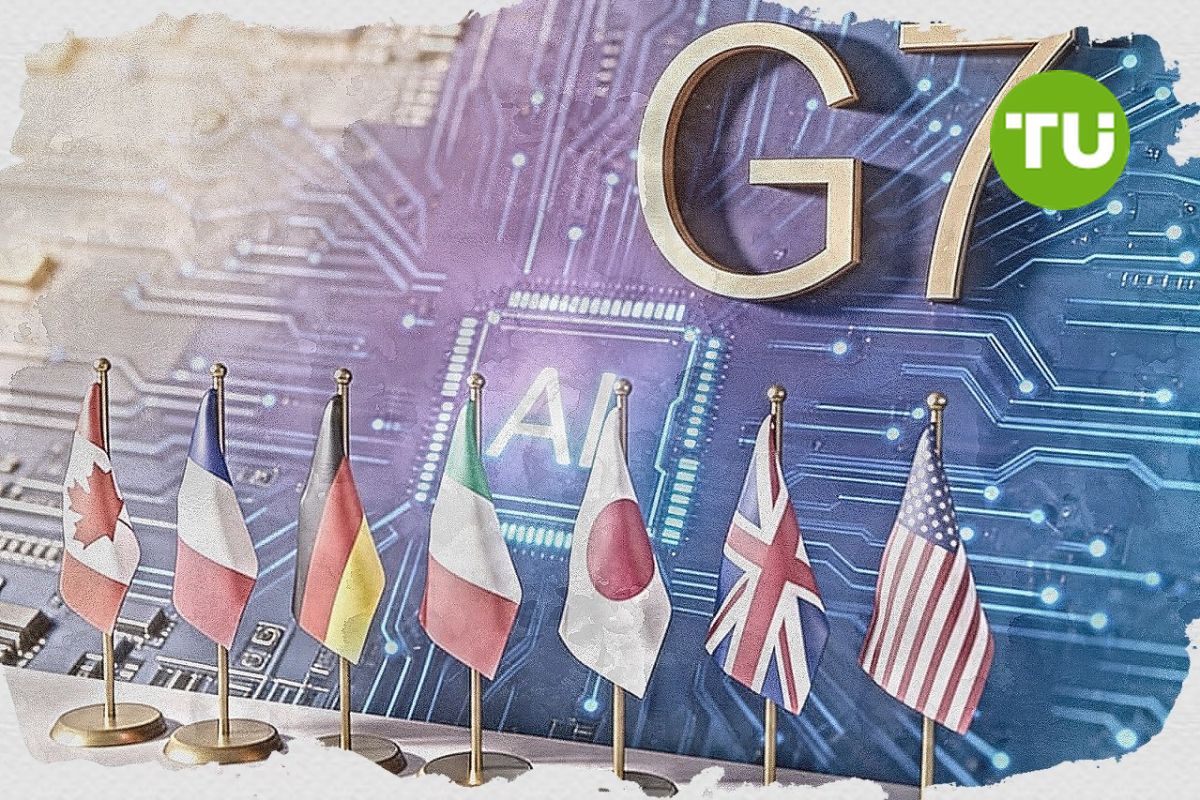
The World Economic Forum (WEF) in Davos is a global platform that sets trends. This year, the forum took place from January 19 to 23, and world leaders discussed not only inflation, trade wars, and monetary policy, but also cryptocurrencies. The main question heard most often among participants was: how are digital assets reshaping the global economy in an era of instability and geopolitical challenges?
The prospect of near-term regulation of digital assets in the U.S. and globally was widely discussed, and the political course of U.S. President Donald Trump played a key role in that conversation. Recall that in 2025 he signed the GENIUS Act, one of the first federal laws in the U.S. aimed at regulating cryptocurrencies and stablecoins — a major signal for both the industry and regulators.
Hong Kong’s Financial Secretary Paul Chan, speaking at the World Economic Forum in Davos, noted that traditional finance and technology are increasingly intertwined but require a balanced regulatory approach.
«Digital assets should serve the real economy. But we must also put in place robust safeguards against risks to financial stability, market integrity, and investor protection,» Chan said.At the same time, «crypto czar» David Sacks stated that crypto companies and banks will ultimately merge into a single industry and urged digital asset market participants to look at the bigger picture. He noted:
«Profitability matters from a philosophical point of view, but it is no less important to pass the market structure bill overall.»
At the World Economic Forum, Circle Foundation announced its first international grant. The funds will support the UN’s Digital Hub for Treasury Solutions (DHoTS), an initiative designed to improve the efficiency of cash transfers and streamline financial flows across the entire United Nations ecosystem.



 Afghanistan
 Albania
 Algeria
 Angola
 Argentina
 Armenia
 Australia
 Austria
 Azerbaijan
 Bahamas
 Bahrain
 Bangladesh
 Belarus
 Belgium
 Bolivia
 Botswana
 Brazil
 Brunei
 Bulgaria
 Cambodia
 Cameroon
 Canada
 Chile
Chile
 China
China
 Colombia
 Congo
Congo
 Costa Rica
 Cote d'Ivoire
 Croatia
 Cuba
Cuba
 Cyprus
 Czechia
 DR Congo
 Denmark
 Dominican Republic
 Ecuador
 Egypt
Egypt
 El Salvador
 Estonia
 Eswatini
 Ethiopia
 Finland
 France
 Georgia
 Germany
 Ghana
Ghana
 Greece
 Haiti
Haiti
 Hong Kong
 Hungary
 India
India
 Indonesia
 Iran, Islamic republic
 Iraq
Iraq
 Ireland
 Israel
 Italy
Italy
 Jamaica
 Japan
Japan
 Jordan
 Kazakhstan
 Kenya
Kenya
 Korea
Korea
 Kuwait
 Kyrgyzstan
 Laos
Laos
 Latvia
 Lebanon
 Lesotho
 Libya
Libya
 Lithuania
 Luxembourg
 Madagascar
 Malaysia
 Malta
Malta
 Mauritius
 Mexico
 Moldova
 Mongolia
 Montenegro
 Morocco
 Mozambique
 Myanmar
 Namibia
 Nepal
Nepal
 Netherlands
 New Zealand
 Nigeria
 North Macedonia
 Norway
 Oman
Oman
 Pakistan
 Palestine
 Panama
 Papua New Guinea
 Paraguay
 Peru
Peru
 Philippines
 Poland
 Portugal
 Puerto Rico
 Qatar
Qatar
 Reunion
 Romania
 Rwanda
 Saudi Arabia
 Serbia
 Singapore
 Slovakia
 Slovenia
 Somalia
 South Africa
 Spain
Spain
 Sri Lanka
 Sweden
 Switzerland
 Syria
Syria
 Taiwan
 Tajikistan
 Tanzania
 Thailand
 Trinidad and Tobago
 Tunisia
 Turkey
 UAE
UAE
 Uganda
 Ukraine
 United Kingdom
United States
United Kingdom
United States
 Uruguay
 Uzbekistan
 Venezuela
 Vietnam
 Yemen
Yemen
 Zambia
 Zimbabwe