
Brent surges as tanker attacks claims shake oil markets

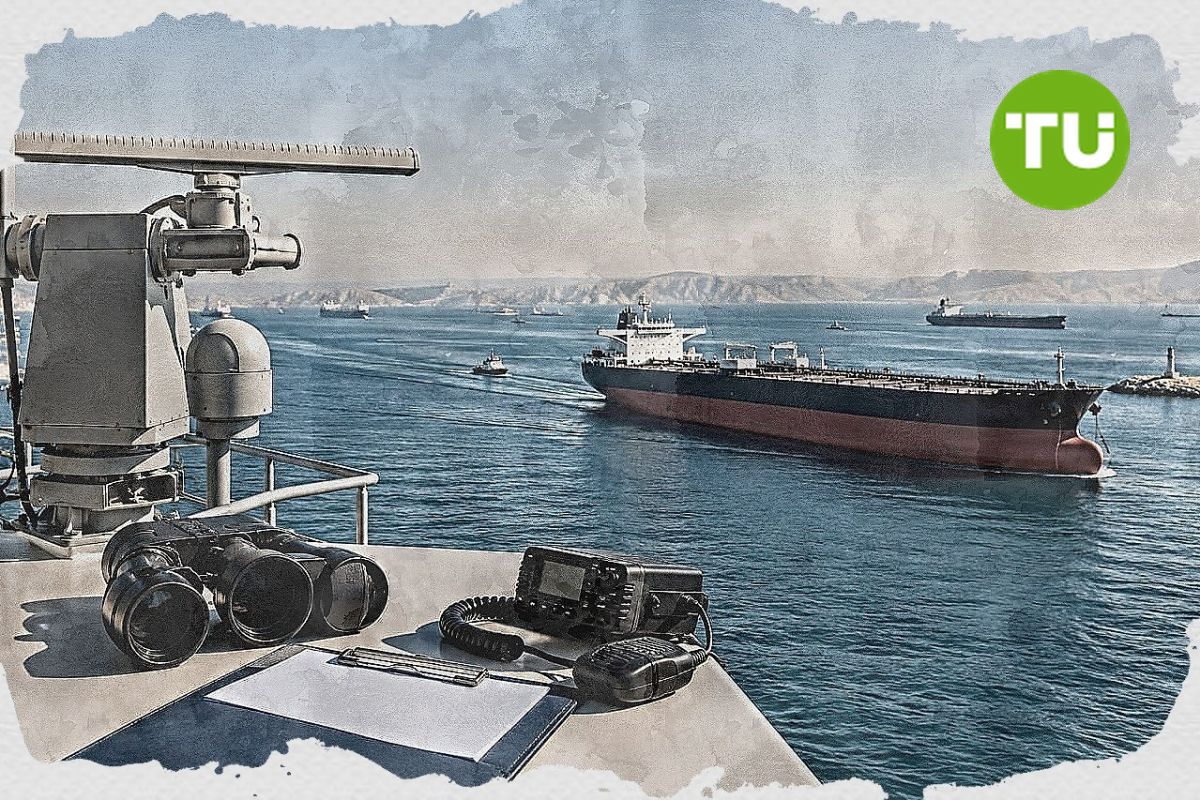
The price of Brent crude oil benchmark jumped above $100 per barrel after reports that Iran had destroyed five tankers in the Strait of Hormuz. Countries in the international coalition are preparing to begin escorting commercial vessels, although they have not yet agreed on the technical details.
Highlights
- Oil prices surged after claims Iran sank five tankers.
- Coalition considers escorting ships through the Strait of Hormuz.
- Analysts say rumors alone can trigger sharp oil price swings.
Oil prices react to unconfirmed tanker losses
On Saturday, Brent crude briefly reached nearly $104 per barrel, while West Texas Intermediate crude oil traded around $99 after sources close to the Islamic Revolutionary Guard Corps (IRGC) claimed that five tankers had been sunk.
The situation eased after Donald Trump denied reports of ship losses in the Strait of Hormuz. However, media outlets were unable to find a transcript confirming Trump’s statement, while Iranian sources appear to have combined several recent attacks on commercial vessels into a single report.
On March 12, media reported that the Thai bulk carrier Mayuree Naree caught fire after a drone strike. In another incident, two tankers were reportedly set ablaze by explosive boats off the coast of Iraq.
Meanwhile, countries in the international coalition are discussing the possibility of military escorts for commercial vessels in the high-risk area. However, according to Al Jazeera, the United States Navy has not yet escorted any tankers.
Public statements from US leaders indicate readiness to protect commercial transit through the Strait of Hormuz, but operational commanders have not yet approved convoy operations.
Officials cite the need for air superiority, the reduction of Iran’s missile threat and sufficient mine-clearing capacity to secure safe passage. Without these conditions, naval forces consider escorting vessels through the strait too risky. As a result, the US Navy has repeatedly declined requests from tanker owners seeking protection.
US Treasury Secretary Scott Bessent said escorts would begin “as soon as it becomes militarily feasible.” Meanwhile, Iran’s neighbors are taking independent steps outside the coalition framework. According to India Today, India is considering deploying its navy to escort fuel shipments, while Pakistan has already escorted two of its vessels under a national operation rather than a multinational mission.
Rumors increase volatility
Analysts say the sharp market reaction reflects not confirmed ship losses but geopolitical risk around the Strait of Hormuz, through which roughly one-fifth of global seaborne oil supplies pass. Even brief reports of attacks or potential disruptions to shipping typically trigger a “risk premium,” as traders factor in the possibility of supply interruptions from Persian Gulf exporters.
Additional volatility stems from information uncertainty: market participants often react to social media reports and anonymous sources faster than to official confirmations. As a result, futures prices for Brent and West Texas Intermediate can surge rapidly and then correct just as quickly if initial reports prove inaccurate. Traders say such price swings are becoming more frequent as tensions in the region rise.
As we wrote, Markets face risk of oil price surge after targeting of infrastructure, Mohamed A. El-Erian warns





Latest WTI News





-
 Afghanistan
-
 Albania
-
 Algeria
-
 Angola
-
 Argentina
-
 Armenia
-
 Australia
-
 Austria
-
 Azerbaijan
-
 Bahamas
-
 Bahrain
-
 Bangladesh
-
 Belarus
-
 Belgium
-
 Bolivia
-
 Botswana
-
 Brazil
-
 Brunei
-
 Bulgaria
-
 Cambodia
-
 Cameroon
-
 Canada
-
 Chile
Chile
-
 China
China
-
 Colombia
-
 Congo
Congo
-
 Costa Rica
-
 Cote d'Ivoire
-
 Croatia
-
 Cuba
Cuba
-
 Cyprus
-
 Czechia
-
 DR Congo
-
 Denmark
-
 Dominican Republic
-
 Ecuador
-
 Egypt
Egypt
-
 El Salvador
-
 Estonia
-
 Eswatini
-
 Ethiopia
-
 Finland
-
 France
-
 Georgia
-
 Germany
-
 Ghana
Ghana
-
 Greece
-
 Haiti
Haiti
-
 Hong Kong
-
 Hungary
-
 India
India
-
 Indonesia
-
 Iran, Islamic republic
-
 Iraq
Iraq
-
 Ireland
-
 Israel
-
 Italy
Italy
-
 Jamaica
-
 Japan
Japan
-
 Jordan
-
 Kazakhstan
-
 Kenya
Kenya
-
 Korea
Korea
-
 Kuwait
-
 Kyrgyzstan
-
 Laos
Laos
-
 Latvia
-
 Lebanon
-
 Lesotho
-
 Libya
Libya
-
 Lithuania
-
 Luxembourg
-
 Madagascar
-
 Malaysia
-
 Malta
Malta
-
 Mauritius
-
 Mexico
-
 Moldova
-
 Mongolia
-
 Montenegro
-
 Morocco
-
 Mozambique
-
 Myanmar
-
 Namibia
-
 Nepal
Nepal
-
 Netherlands
-
 New Zealand
-
 Nigeria
-
 North Macedonia
-
 Norway
-
 Oman
Oman
-
 Pakistan
-
 Palestine
-
 Panama
-
 Papua New Guinea
-
 Paraguay
-
 Peru
Peru
-
 Philippines
-
 Poland
-
 Portugal
-
 Puerto Rico
-
 Qatar
Qatar
-
 Reunion
-
 Romania
-
 Rwanda
-
 Saudi Arabia
-
 Serbia
-
 Singapore
-
 Slovakia
-
 Slovenia
-
 Somalia
-
 South Africa
-
 Spain
Spain
-
 Sri Lanka
-
 Sweden
-
 Switzerland
-
 Syria
Syria
-
 Taiwan
-
 Tajikistan
-
 Tanzania
-
 Thailand
-
 Trinidad and Tobago
-
 Tunisia
-
 Turkey
-
 UAE
UAE
-
 Uganda
-
 Ukraine
-
 United Kingdom
-
United States
-
 Uruguay
-
 Uzbekistan
-
 Venezuela
-
 Vietnam
-
 Yemen
Yemen
-
 Zambia
-
 Zimbabwe
- Forex
- Crypto











