
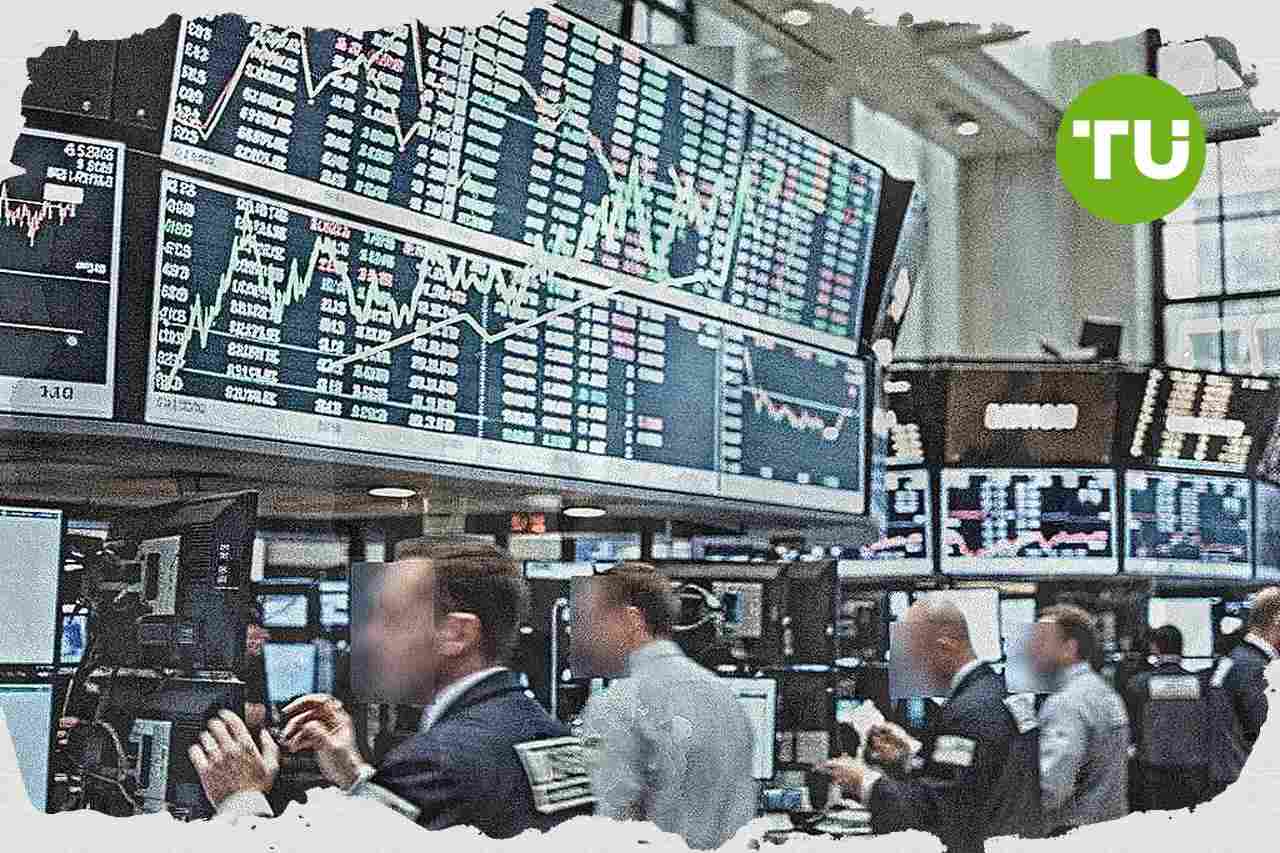
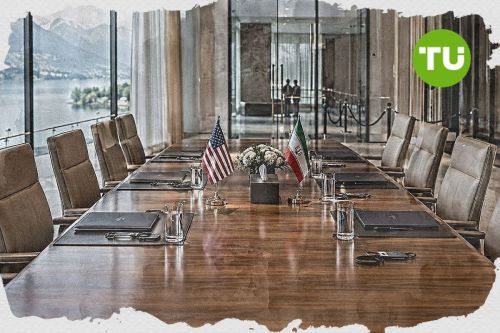
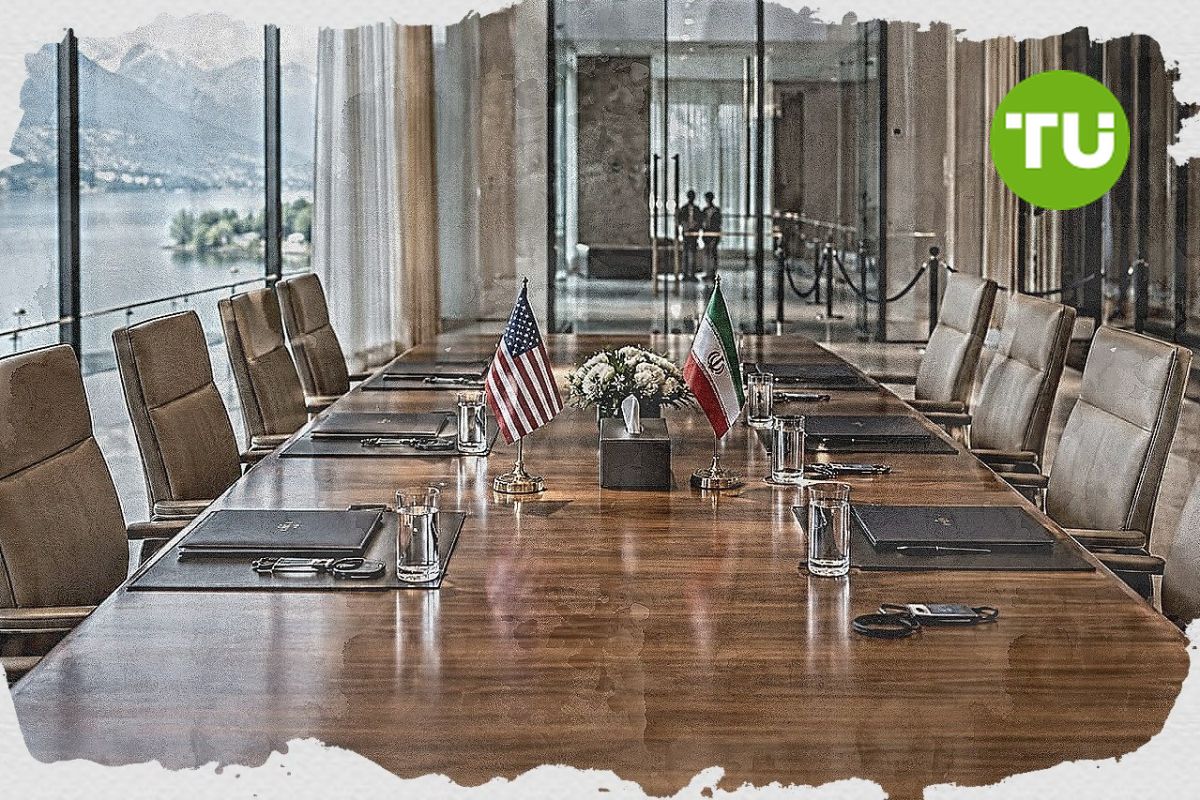
According to U.S. President Donald Trump's announcement on Tuesday evening, a two-week ceasefire with Iran is prompting a broad relief move across financial markets, with stocks rising, oil falling and bond yields easing as investors reassess near-term economic risks. The reaction reflects expectations that reduced disruption around energy flows could support sentiment, although several market economists and investment professionals say major uncertainties remain. Those include whether the truce holds, whether the Strait of Hormuz reopens smoothly and how the past six weeks of war continue to affect inflation, growth and financing conditions.
Highlights
- Dow jumps over 1,300 points at the open after Trump announces Iran ceasefire, while oil prices tumble and bond yields decline on reduced immediate geopolitical risk.
- Economists warn that despite short-term market relief and a constructive backdrop from easing oil, inflation outlooks have increased and unresolved risks linger for trade, prices and growth.
- Analysts emphasize that equity gains hinge on sustained lower oil prices and reopening of the Strait of Hormuz, with U.S. markets treating the rally as conditionally significant amid ongoing uncertainty.
Market response and ceasefire risks
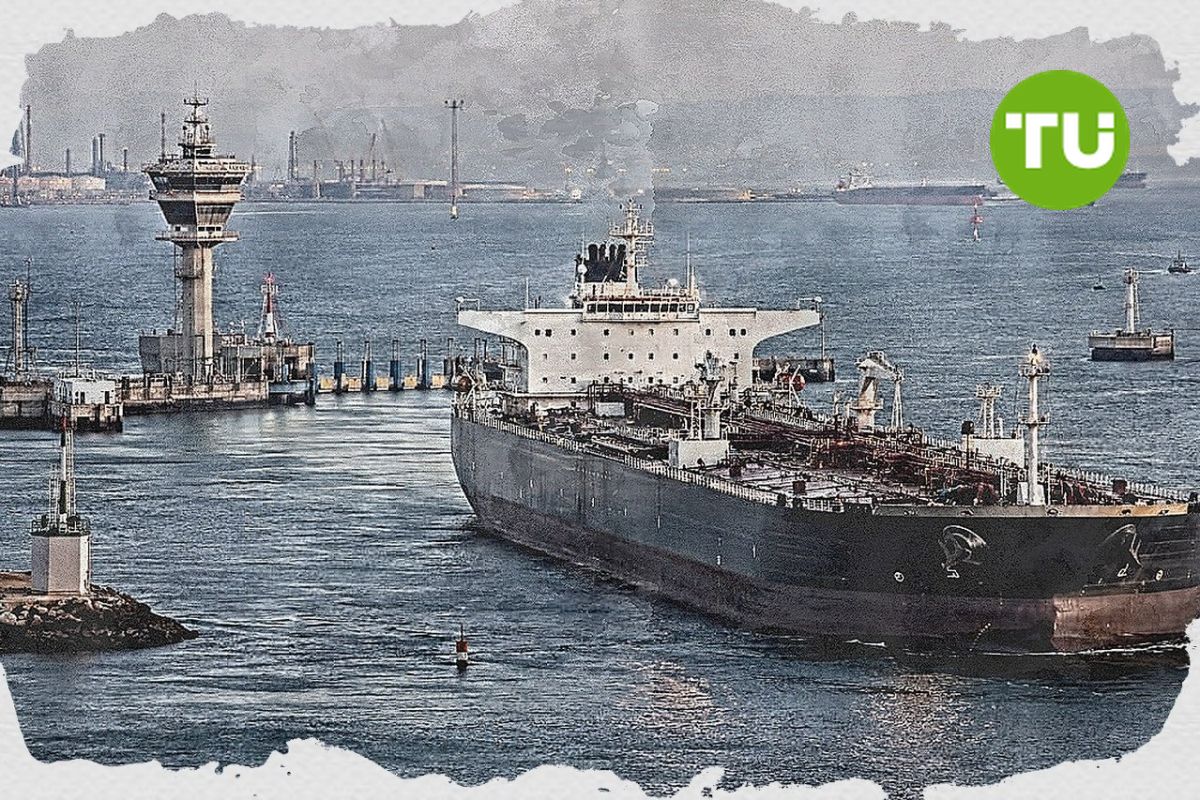
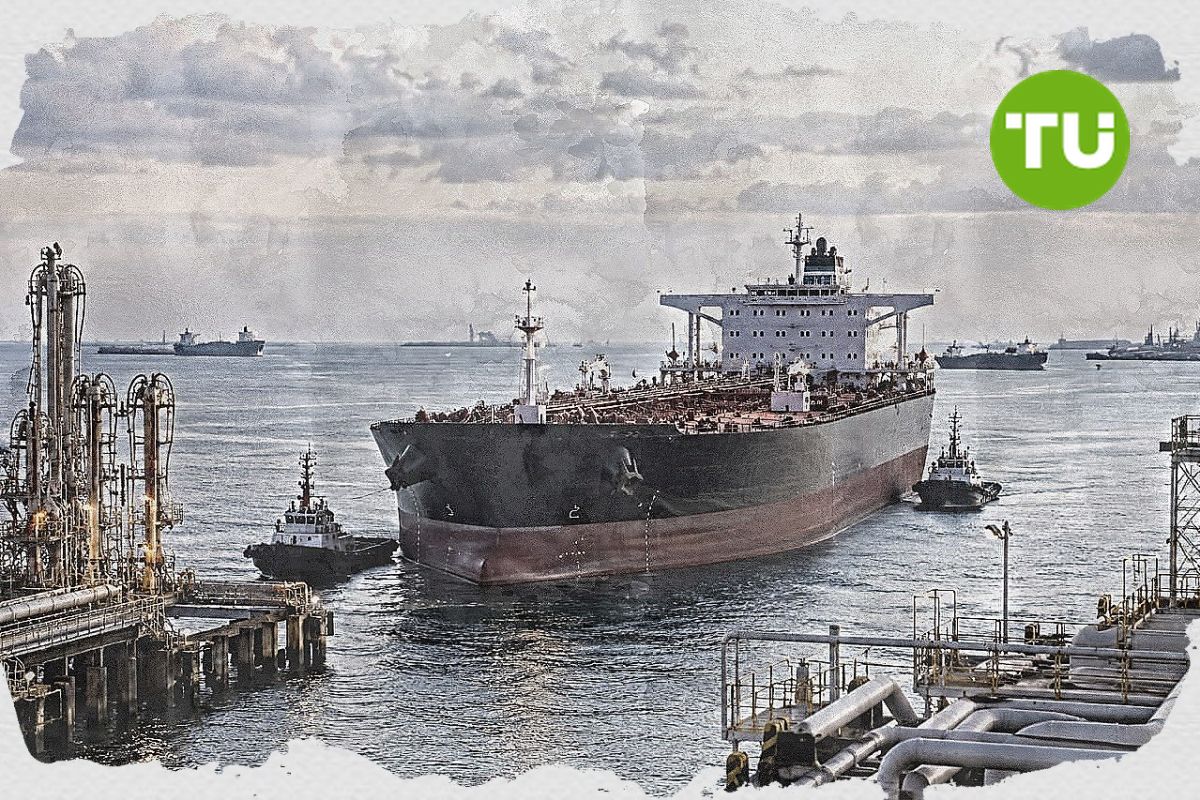
Wall Street reacts sharply to the ceasefire announcement, with the Dow jumping more than 1,300 points at the open while oil prices tumble and bond yields decline. Investors appear to be pricing in lower immediate geopolitical risk and a possible improvement in energy supply conditions. Even so, the market response remains tied to unresolved operational and diplomatic questions over shipping routes and compliance with the agreement.Mohamed El-Erian says investors should not become too comfortable after the initial rally. He notes that markets are still assessing whether the ceasefire will hold and whether the Strait of Hormuz can reopen with limited complications. He also says economies beyond the region continue to face energy prices above pre-war levels, an uncertain outlook and the economic effects from the conflict.Marko Kolanovic takes a more skeptical view, arguing that the competing demands of Iran and the U.S. are difficult to reconcile. He suggests the pause may only buy time rather than deliver a durable settlement. David Morrison of TradeNation also points to uncertainty around shipping through Hormuz, including speculation that Iran could seek payment from vessels using the route within the two-week window.Economists weigh inflation and growth effects
Jeffrey Roach of LPL Financial says any improvement in energy supplies could help reduce pricing pressure, which would support investor sentiment. However, he warns that second-order effects from the Iran conflict are still likely to influence the global economy. In his view, investors need to keep watching how geopolitical risks affect wholesale prices, growth and financing conditions.Roach adds that the inflation outlook has increased, even if the adjustment in energy markets eventually eases some pressure. Justin Bergner of Gabelli Funds also sees a constructive short-term backdrop for markets following the ceasefire announcement. But he says the longer-term outlook depends on how the conflict affects consumer and business sentiment, spending decisions and inflation expectations over the coming months.That leaves investors balancing immediate market relief against limited visibility on the broader economy. The ceasefire may improve confidence in the short run, but economists say it does not yet resolve the underlying risks tied to trade flows, prices and business activity. Much of the next phase depends on whether calmer energy markets become sustained rather than temporary.Implications for oil and equities
Robert Edwards of Edwards Asset Management says stocks can continue to recover in the coming months, partly because Trump is likely to prefer firm equity markets and lower gasoline prices ahead of the midterm elections. He argues that equities can keep rising even while uncertainty over the ceasefire persists. That view suggests investors are looking beyond the immediate geopolitical shock toward policy and market support factors.Edwards also says oil prices and stocks remain inversely correlated for now, making the reopening of the Strait of Hormuz particularly important for asset prices. In his assessment, restoring transit through the waterway is key to pushing oil prices lower after the recent spike. He adds that the latest decline in oil strengthens the case that the jump in energy prices in recent weeks may prove temporary rather than structural.For U.S. markets, the ceasefire is therefore acting as both a relief catalyst and a test of durability. Equity gains are being supported by easing oil prices and lower yields, but the strength of that rebound still depends on developments in the Gulf. Investors and analysts alike are treating the current rally as significant, while stopping short of calling the economic fallout resolved.We previously reported on the WTI selloff following a Middle East ceasefire announcement and signs that Iran could reopen the Strait of Hormuz. In that update, we noted that renewed supply expectations pushed prices down toward key support levels, while warning that the ceasefire looked temporary and the region could still see another sharp spike in oil.




Latest Iran war News




-
 Afghanistan
-
 Albania
-
 Algeria
-
 Angola
-
 Argentina
-
 Armenia
-
 Australia
-
 Austria
-
 Azerbaijan
-
 Bahamas
-
 Bahrain
-
 Bangladesh
-
 Belarus
-
 Belgium
-
 Bolivia
-
 Botswana
-
 Brazil
-
 Brunei
-
 Bulgaria
-
 Cambodia
-
 Cameroon
-
 Canada
-
 Chile
Chile
-
 China
China
-
 Colombia
-
 Congo
Congo
-
 Costa Rica
-
 Cote d'Ivoire
-
 Croatia
-
 Cuba
Cuba
-
 Cyprus
-
 Czechia
-
 DR Congo
-
 Denmark
-
 Dominican Republic
-
 Ecuador
-
 Egypt
Egypt
-
 El Salvador
-
 Estonia
-
 Eswatini
-
 Ethiopia
-
 Finland
-
 France
-
 Georgia
-
 Germany
-
 Ghana
Ghana
-
 Greece
-
 Haiti
Haiti
-
 Hong Kong
-
 Hungary
-
 India
India
-
 Indonesia
-
 Iran, Islamic republic
-
 Iraq
Iraq
-
 Ireland
-
 Israel
-
 Italy
Italy
-
 Jamaica
-
 Japan
Japan
-
 Jordan
-
 Kazakhstan
-
 Kenya
Kenya
-
 Korea
Korea
-
 Kuwait
-
 Kyrgyzstan
-
 Laos
Laos
-
 Latvia
-
 Lebanon
-
 Lesotho
-
 Libya
Libya
-
 Lithuania
-
 Luxembourg
-
 Madagascar
-
 Malaysia
-
 Malta
Malta
-
 Mauritius
-
 Mexico
-
 Moldova
-
 Mongolia
-
 Montenegro
-
 Morocco
-
 Mozambique
-
 Myanmar
-
 Namibia
-
 Nepal
Nepal
-
 Netherlands
-
 New Zealand
-
 Nigeria
-
 North Macedonia
-
 Norway
-
 Oman
Oman
-
 Pakistan
-
 Palestine
-
 Panama
-
 Papua New Guinea
-
 Paraguay
-
 Peru
Peru
-
 Philippines
-
 Poland
-
 Portugal
-
 Puerto Rico
-
 Qatar
Qatar
-
 Reunion
-
 Romania
-
 Rwanda
-
 Saudi Arabia
-
 Serbia
-
 Singapore
-
 Slovakia
-
 Slovenia
-
 Somalia
-
 South Africa
-
 Spain
Spain
-
 Sri Lanka
-
 Sweden
-
 Switzerland
-
 Syria
Syria
-
 Taiwan
-
 Tajikistan
-
 Tanzania
-
 Thailand
-
 Trinidad and Tobago
-
 Tunisia
-
 Turkey
-
 UAE
UAE
-
 Uganda
-
 Ukraine
-
 United Kingdom
-
United States
-
 Uruguay
-
 Uzbekistan
-
 Venezuela
-
 Vietnam
-
 Yemen
Yemen
-
 Zambia
-
 Zimbabwe
- Forex
- Crypto












