
UAE announced exit from OPEC effective May 1, planning to ramp production to 5 million bpd by 2027 without quotas, undermining cartel control (from 30% to 26% of global supply). This sparks volatility: short-term uncertainty, long-term bearish supply pressure.
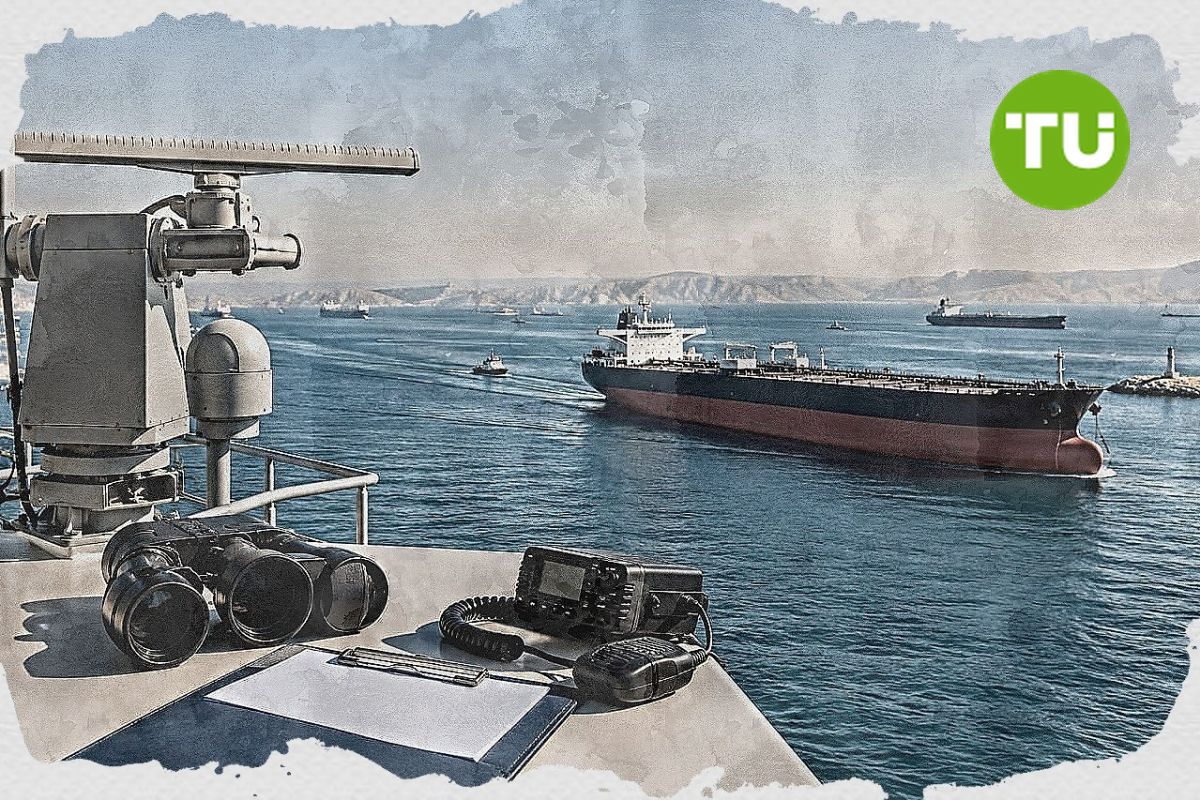
Iran conflict disrupts ~20% of world oil through Hormuz; attacks and blockades fuel risk premium despite partial traffic recovery. WTI above $100, driven by deficit fears not fundamentals.
Price surge delivers windfalls to oil majors, intensifying global inflation and complicating Fed policy. No panic though: stocks cushion shocks, talks cap extremes.
IEA cut 2026 demand growth forecast to ~850 thousand bpd (down 83 thousand), citing high prices and Q2 slowdown risks. Supply paradox: disruptions now vs UAE/U.S. growth later.
U.S.–Iran talks — #1 trigger: progress removes premium, failure spikes prices. OPEC unity post-UAE risks quota breaches. U.S. summer driving season (June–August) may boost demand; Hormuz flows critical.
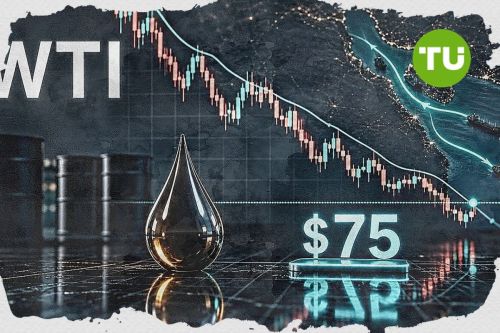
Short-term forecast: News volatility, WTI $95–110 range. Q2 peak, then pullback as supplies recover.
Medium-term forecast: Geopolitics bullish now, fundamentals bearish later (demand down, supply up).
Long-term forecast: Surplus risk if disruptions fade.
Scenarios:
Bullish (105–115 WTI): Full Hormuz blockade.Bearish (85–95): Talks succeed, UAE flood.Base: Jerky on headlines, no trend.




Latest WTI News





-
 Afghanistan
-
 Albania
-
 Algeria
-
 Angola
-
 Argentina
-
 Armenia
-
 Australia
-
 Austria
-
 Azerbaijan
-
 Bahamas
-
 Bahrain
-
 Bangladesh
-
 Belarus
-
 Belgium
-
 Bolivia
-
 Botswana
-
 Brazil
-
 Brunei
-
 Bulgaria
-
 Cambodia
-
 Cameroon
-
 Canada
-
 Chile
Chile
-
 China
China
-
 Colombia
-
 Congo
Congo
-
 Costa Rica
-
 Cote d'Ivoire
-
 Croatia
-
 Cuba
Cuba
-
 Cyprus
-
 Czechia
-
 DR Congo
-
 Denmark
-
 Dominican Republic
-
 Ecuador
-
 Egypt
Egypt
-
 El Salvador
-
 Estonia
-
 Eswatini
-
 Ethiopia
-
 Finland
-
 France
-
 Georgia
-
 Germany
-
 Ghana
Ghana
-
 Greece
-
 Haiti
Haiti
-
 Hong Kong
-
 Hungary
-
 India
India
-
 Indonesia
-
 Iran, Islamic republic
-
 Iraq
Iraq
-
 Ireland
-
 Israel
-
 Italy
Italy
-
 Jamaica
-
 Japan
Japan
-
 Jordan
-
 Kazakhstan
-
 Kenya
Kenya
-
 Korea
Korea
-
 Kuwait
-
 Kyrgyzstan
-
 Laos
Laos
-
 Latvia
-
 Lebanon
-
 Lesotho
-
 Libya
Libya
-
 Lithuania
-
 Luxembourg
-
 Madagascar
-
 Malaysia
-
 Malta
Malta
-
 Mauritius
-
 Mexico
-
 Moldova
-
 Mongolia
-
 Montenegro
-
 Morocco
-
 Mozambique
-
 Myanmar
-
 Namibia
-
 Nepal
Nepal
-
 Netherlands
-
 New Zealand
-
 Nigeria
-
 North Macedonia
-
 Norway
-
 Oman
Oman
-
 Pakistan
-
 Palestine
-
 Panama
-
 Papua New Guinea
-
 Paraguay
-
 Peru
Peru
-
 Philippines
-
 Poland
-
 Portugal
-
 Puerto Rico
-
 Qatar
Qatar
-
 Reunion
-
 Romania
-
 Rwanda
-
 Saudi Arabia
-
 Serbia
-
 Singapore
-
 Slovakia
-
 Slovenia
-
 Somalia
-
 South Africa
-
 Spain
Spain
-
 Sri Lanka
-
 Sweden
-
 Switzerland
-
 Syria
Syria
-
 Taiwan
-
 Tajikistan
-
 Tanzania
-
 Thailand
-
 Trinidad and Tobago
-
 Tunisia
-
 Turkey
-
 UAE
UAE
-
 Uganda
-
 Ukraine
-
 United Kingdom
-
United States
-
 Uruguay
-
 Uzbekistan
-
 Venezuela
-
 Vietnam
-
 Yemen
Yemen
-
 Zambia
-
 Zimbabwe
- Forex
- Crypto











