
US Dollar vs Israeli Shekel holds steady as US Treasury sanctions Iranian currency networks
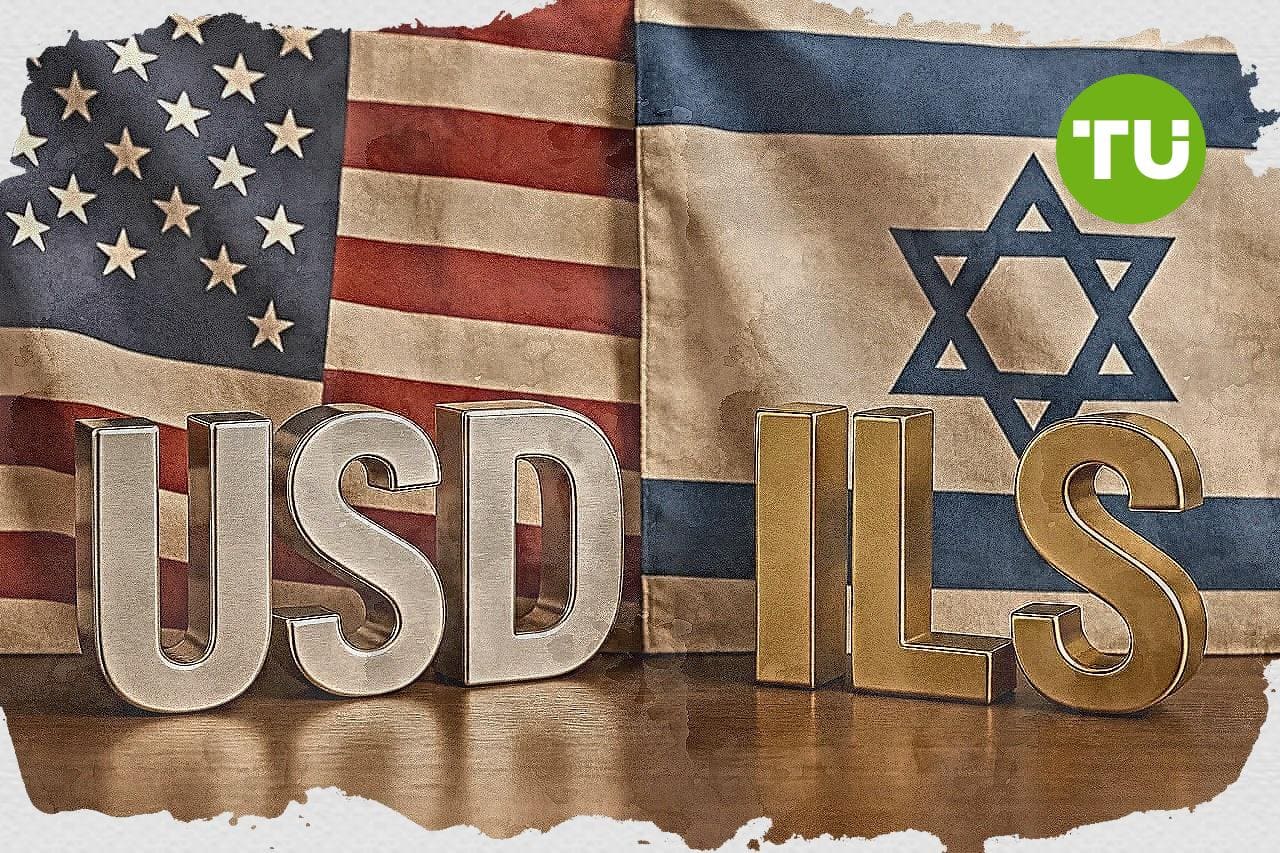
US Dollar vs Israeli Shekel (USD/ILS) is trading at 2.9078 ₪, marking a daily decline of 0.50%. The pair is currently positioned below its key moving averages, indicating near-term weakness relative to longer-term price trends.
 2.9706
2.9702
2.9706
2.9702
Highlights
- The U.S. Treasury announced new sanctions against Iranian FX houses on May 19, 2026, tightening restrictions on Iran’s international banking access.
- Ongoing high U.S. Treasury yields and rate expectations are supporting the U.S. dollar, but broad selling pressure persists in USD/ILS trading.
- USD/ILS remains under bearish pressure below key technical levels, with high probability of a 2.88 ₪ to 2.94 ₪ range for the coming week.
Liquidity constraints rise as new US sanctions unsettle USD/ILS
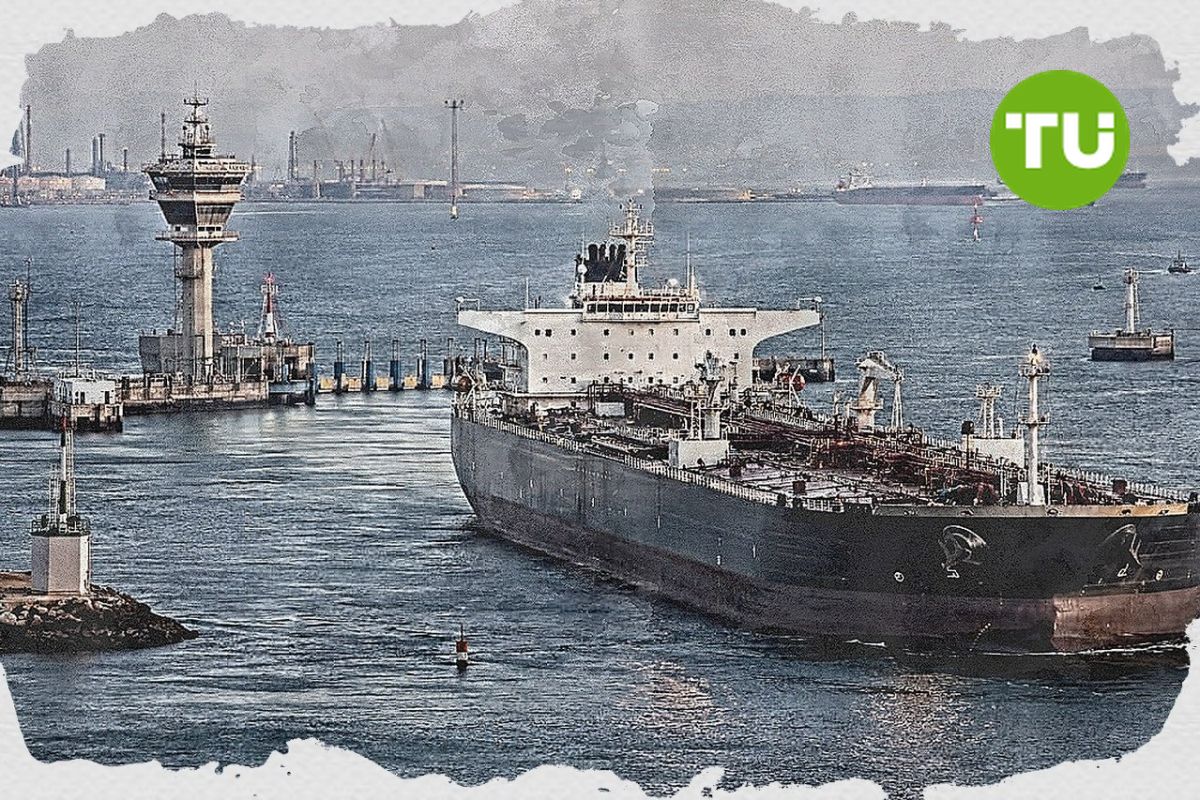
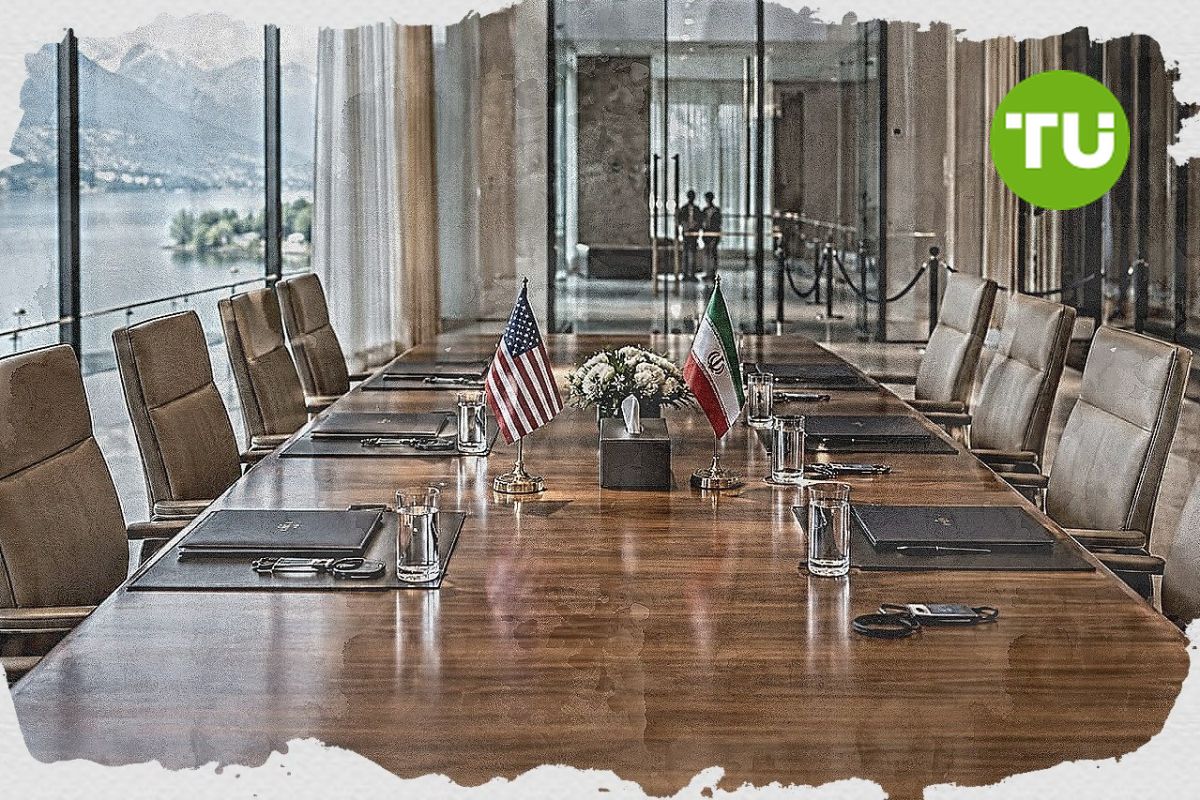
The U.S. Treasury Department moved on May 19, 2026, to intensify sanctions targeting Iranian foreign currency exchange houses and related firms, aiming to disrupt the channels that facilitate cross-border currency transactions and international access for Iranian banks. This regulatory step introduces additional constraints for regional foreign exchange liquidity and may affect operational ease for market participants exposed to USD/ILS transactions. The same day, U.S. authorities requested stronger international coordination to further restrict Iran’s financial networks and announced a review of sanctions frameworks. Persistent high U.S. Treasury yields and elevated rate expectations have also continued to broadly support the U.S. dollar, though price action has remained under broader selling pressure.
Divergent signals appear as strong resistance aligns above spot
Technically, USD/ILS faces resistance at the Ichimoku Kijun level of 2.9557 ₪. The MA-20, MA-50, and MA-200 are arrayed above the current price at 2.9294 ₪, 3.0131 ₪, and 3.1319 ₪ respectively, forming sequential overhead resistance. Momentum indicators show MACD on a strong sell signal and ADX reflecting moderate trend strength. RSI measures at 43, indicating a soft downward skew, while Stoch RSI is fully overbought and CCI is neutral, reflecting divergence among short-term signals. BBP marks strong intraday buying activity, but this contrasts with current price positioning at session lows, underlining a discrepancy between oscillators and realized price movement.
Downside risk persists as upside breakout probability remains low
For the short term, USD/ILS is expected to remain within a typical volatility band between 2.88 ₪ and 2.94 ₪. The likelihood of a price increase is low, with probability estimates less than 20%, suggesting further downward risk. The baseline scenario is a sideways range-bound movement between these levels. Should bullish momentum unexpectedly build, the pair may challenge immediate resistance above 2.94 ₪, while a clear break below 2.88 ₪ would likely invite additional sellers and pressure spot levels lower.
Earlier, analysts noted that persistent shekel strength was keeping USD/ILS under steady downside pressure in a broadly bearish technical environment. The recent wave of U.S. sanctions on Iranian currency channels introduces a new geopolitical variable into the mix, making the 2.88 ₪ support zone a critical level for traders to monitor as potential volatility increases.








-
 Afghanistan
-
 Albania
-
 Algeria
-
 Angola
-
 Argentina
-
 Armenia
-
 Australia
-
 Austria
-
 Azerbaijan
-
 Bahamas
-
 Bahrain
-
 Bangladesh
-
 Belarus
-
 Belgium
-
 Bolivia
-
 Botswana
-
 Brazil
-
 Brunei
-
 Bulgaria
-
 Cambodia
-
 Cameroon
-
 Canada
-
 Chile
Chile
-
 China
China
-
 Colombia
-
 Congo
Congo
-
 Costa Rica
-
 Cote d'Ivoire
-
 Croatia
-
 Cuba
Cuba
-
 Cyprus
-
 Czechia
-
 DR Congo
-
 Denmark
-
 Dominican Republic
-
 Ecuador
-
 Egypt
Egypt
-
 El Salvador
-
 Estonia
-
 Eswatini
-
 Ethiopia
-
 Finland
-
 France
-
 Georgia
-
 Germany
-
 Ghana
Ghana
-
 Greece
-
 Haiti
Haiti
-
 Hong Kong
-
 Hungary
-
 India
India
-
 Indonesia
-
 Iran, Islamic republic
-
 Iraq
Iraq
-
 Ireland
-
 Israel
-
 Italy
Italy
-
 Jamaica
-
 Japan
Japan
-
 Jordan
-
 Kazakhstan
-
 Kenya
Kenya
-
 Korea
Korea
-
 Kuwait
-
 Kyrgyzstan
-
 Laos
Laos
-
 Latvia
-
 Lebanon
-
 Lesotho
-
 Libya
Libya
-
 Lithuania
-
 Luxembourg
-
 Madagascar
-
 Malaysia
-
 Malta
Malta
-
 Mauritius
-
 Mexico
-
 Moldova
-
 Mongolia
-
 Montenegro
-
 Morocco
-
 Mozambique
-
 Myanmar
-
 Namibia
-
 Nepal
Nepal
-
 Netherlands
-
 New Zealand
-
 Nigeria
-
 North Macedonia
-
 Norway
-
 Oman
Oman
-
 Pakistan
-
 Palestine
-
 Panama
-
 Papua New Guinea
-
 Paraguay
-
 Peru
Peru
-
 Philippines
-
 Poland
-
 Portugal
-
 Puerto Rico
-
 Qatar
Qatar
-
 Reunion
-
 Romania
-
 Rwanda
-
 Saudi Arabia
-
 Serbia
-
 Singapore
-
 Slovakia
-
 Slovenia
-
 Somalia
-
 South Africa
-
 Spain
Spain
-
 Sri Lanka
-
 Sweden
-
 Switzerland
-
 Syria
Syria
-
 Taiwan
-
 Tajikistan
-
 Tanzania
-
 Thailand
-
 Trinidad and Tobago
-
 Tunisia
-
 Turkey
-
 UAE
UAE
-
 Uganda
-
 Ukraine
-
 United Kingdom
-
United States
-
 Uruguay
-
 Uzbekistan
-
 Venezuela
-
 Vietnam
-
 Yemen
Yemen
-
 Zambia
-
 Zimbabwe
- Forex
- Crypto












