
House Financial Services leaders urge overhaul of SEC conflict minerals rules
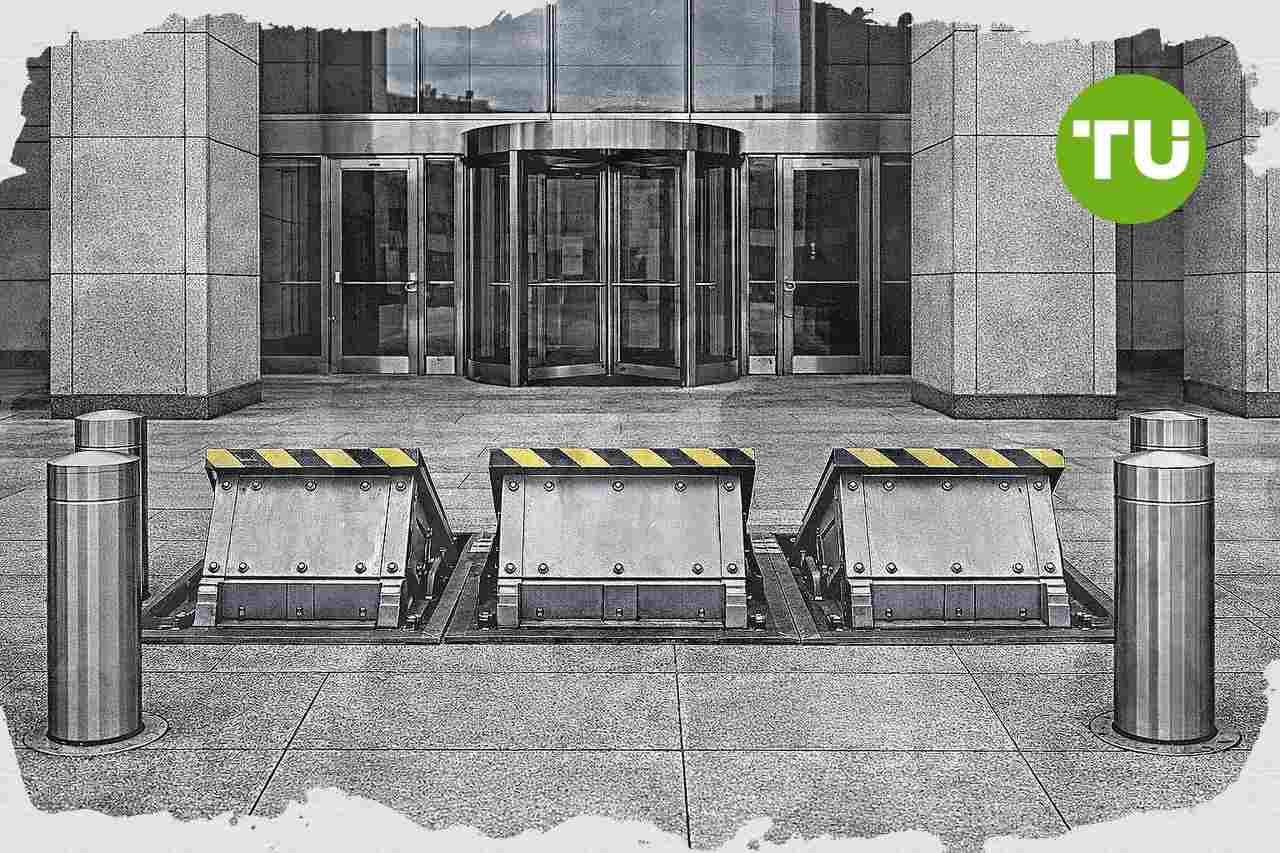
Republican leaders on the U.S. House Committee on Financial Services are pressing the Trump administration to reconsider federal disclosure requirements covering conflict minerals. Their June 3 letter argues the Obama-era framework is weakening U.S. access to critical mineral supply chains and giving China more room to expand its influence in Central Africa.
Highlights
- House Financial Services leaders urged President Trump to revise, waive, or terminate SEC conflict minerals disclosure requirements under the Dodd-Frank Act.
- Lawmakers argue current SEC rules undermine U.S. national security by strengthening China's control over critical minerals from Central Africa.
- Potential overhaul of SEC disclosure regime could alter compliance obligations and sourcing strategies for companies with exposure to regulated mineral supply chains.
Committee push targets SEC disclosure regime
As reported by the House Committee on Financial Services, Chairman French Hill and Vice Chairman Bill Huizenga sent a letter to President Donald Trump urging the administration to revise, waive, or terminate the Securities and Exchange Commission's conflict minerals disclosure requirements created under the Dodd-Frank Act.The lawmakers say the current regime is ineffective and contend it has undermined U.S. national security interests by weakening access to critical minerals. They also argue the rules have allowed China to strengthen its position over strategically important mineral resources in Central Africa.
Supply chain and security implications
The letter calls on President Trump to allow the SEC to lift or overhaul the requirements as part of a broader effort to advance U.S. national security interests. It frames the changes as a way to reduce U.S. reliance on China for critical minerals and to curb Beijing's growing dominance in regional mineral supply chains.The dispute highlights how minerals policy is increasingly being linked to industrial security, trade resilience, and access to strategic inputs. For companies exposed to regulated supply chains, any SEC move to ease or remove the disclosure framework could alter compliance obligations and reshape sourcing considerations tied to Central Africa.
In our earlier article on the tightening global tungsten market, we explained how wars in Ukraine and Iran have intensified pressure on supplies of the critical metal used in munitions and industrial manufacturing. We noted that China’s export controls and dominant share of global output have left the U.S. especially exposed, prompting Washington to support alternative sourcing projects such as the Cove Kaz initiative in Kazakhstan.











-
 Afghanistan
-
 Albania
-
 Algeria
-
 Angola
-
 Argentina
-
 Armenia
-
 Australia
-
 Austria
-
 Azerbaijan
-
 Bahamas
-
 Bahrain
-
 Bangladesh
-
 Belarus
-
 Belgium
-
 Bolivia
-
 Botswana
-
 Brazil
-
 Brunei
-
 Bulgaria
-
 Cambodia
-
 Cameroon
-
 Canada
-
 Chile
Chile
-
 China
China
-
 Colombia
-
 Congo
Congo
-
 Costa Rica
-
 Cote d'Ivoire
-
 Croatia
-
 Cuba
Cuba
-
 Cyprus
-
 Czechia
-
 DR Congo
-
 Denmark
-
 Dominican Republic
-
 Ecuador
-
 Egypt
Egypt
-
 El Salvador
-
 Estonia
-
 Eswatini
-
 Ethiopia
-
 Finland
-
 France
-
 Georgia
-
 Germany
-
 Ghana
Ghana
-
 Greece
-
 Haiti
Haiti
-
 Hong Kong
-
 Hungary
-
 India
India
-
 Indonesia
-
 Iran, Islamic republic
-
 Iraq
Iraq
-
 Ireland
-
 Israel
-
 Italy
Italy
-
 Jamaica
-
 Japan
Japan
-
 Jordan
-
 Kazakhstan
-
 Kenya
Kenya
-
 Korea
Korea
-
 Kuwait
-
 Kyrgyzstan
-
 Laos
Laos
-
 Latvia
-
 Lebanon
-
 Lesotho
-
 Libya
Libya
-
 Lithuania
-
 Luxembourg
-
 Madagascar
-
 Malaysia
-
 Malta
Malta
-
 Mauritius
-
 Mexico
-
 Moldova
-
 Mongolia
-
 Montenegro
-
 Morocco
-
 Mozambique
-
 Myanmar
-
 Namibia
-
 Nepal
Nepal
-
 Netherlands
-
 New Zealand
-
 Nigeria
-
 North Macedonia
-
 Norway
-
 Oman
Oman
-
 Pakistan
-
 Palestine
-
 Panama
-
 Papua New Guinea
-
 Paraguay
-
 Peru
Peru
-
 Philippines
-
 Poland
-
 Portugal
-
 Puerto Rico
-
 Qatar
Qatar
-
 Reunion
-
 Romania
-
 Rwanda
-
 Saudi Arabia
-
 Serbia
-
 Singapore
-
 Slovakia
-
 Slovenia
-
 Somalia
-
 South Africa
-
 Spain
Spain
-
 Sri Lanka
-
 Sweden
-
 Switzerland
-
 Syria
Syria
-
 Taiwan
-
 Tajikistan
-
 Tanzania
-
 Thailand
-
 Trinidad and Tobago
-
 Tunisia
-
 Turkey
-
 UAE
UAE
-
 Uganda
-
 Ukraine
-
 United Kingdom
-
United States
-
 Uruguay
-
 Uzbekistan
-
 Venezuela
-
 Vietnam
-
 Yemen
Yemen
-
 Zambia
-
 Zimbabwe
- Forex
- Crypto











