
EU budget plans could fund migrant return hubs outside the bloc
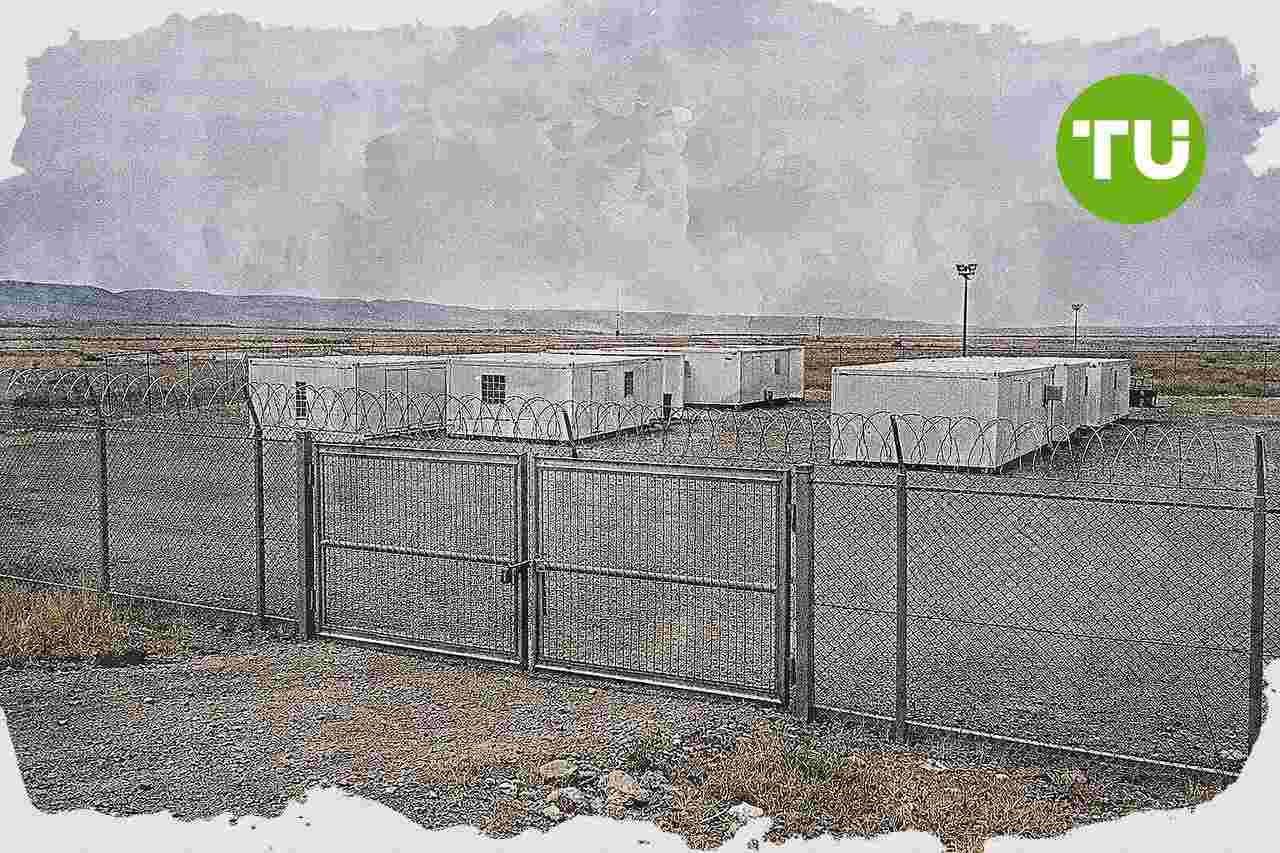
European governments are moving to widen the bloc’s migration toolkit as talks intensify over the EU’s 2028 to 2034 budget. The proposed framework opens the door to funding offshore return hubs for rejected asylum seekers, highlighting a broader shift toward tougher external border and deportation policies.
Highlights
- EU governments' draft budget framework allows up to €20 billion over seven years for 'innovative solutions' like offshore migrant return hubs via the foreign aid instrument.
- Germany, Italy, the Netherlands, Sweden and Austria lead the initiative, gaining majority support despite earlier failed offshore schemes such as Italy's Albania plan and Dutch-Uganda talks.
- Recent agreements, including Austria’s deal with Uzbekistan and new laws passed by the European Parliament, mark a shift to more robust deportation mechanisms amid rising pressure to increase returns.
Budget framework opens door to offshore hubs
As reported by Financial Times, the position adopted by EU governments for the next long-term budget says “innovative solutions” for migration management could be financed through the bloc’s foreign aid and external spending instrument. The paper is due to be adopted by EU affairs ministers on Tuesday and gives fresh momentum to plans for so-called return hubs in non-EU countries.In Brussels policymaking, “innovative solutions” has become shorthand for contentious migration measures, including detention-style centres for rejected asylum seekers who cannot be returned to their home countries. People familiar with the discussions say the migration policy’s external dimension, including return hubs, could receive up to 20 billion euros over seven years, or about 10 per cent of the EU’s external action budget.
One EU diplomat says the wording creates an opening for EU funding if and when return hubs come into being. The figures can still change during budget negotiations, but their inclusion marks a shift from the European Commission’s earlier refusal to finance physical infrastructure aimed at stopping irregular migration.
Member state backing and policy impact
The push is led by Germany, Italy, the Netherlands, Sweden and Austria, and is backed by a majority of member states. The effort continues even though earlier attempts produce mixed results, including Italy’s challenged Albania scheme and Dutch talks with Uganda that do not produce a clear outcome.The Netherlands, Germany, Austria, Denmark and Greece are now in talks with potential host countries and hope to reach agreements by the end of the year. Officials are keeping possible locations confidential to avoid political backlash similar to that triggered by the UK’s Rwanda plan, while Austria last month signs an agreement with Uzbekistan that includes the transit of people to be deported to their home country.
The concept is gaining support as European governments struggle to raise deportation numbers, often because origin countries refuse to accept returnees. Earlier this month, the European Parliament and member states agree tougher measures designed to facilitate deportations and create the legal basis for return hubs.
Our earlier coverage of the EU opening accession talks with Ukraine explained how Brussels moved Kyiv into formal negotiations by launching the first cluster focused on rule of law, judicial independence, anti-corruption and human rights. We noted that progress will depend on concrete reforms and sustained political backing from member states, with corruption and institutional independence remaining key hurdles as the bloc weighs broader enlargement implications.





Latest Europe News









-
 Afghanistan
-
 Albania
-
 Algeria
-
 Angola
-
 Argentina
-
 Armenia
-
 Australia
-
 Austria
-
 Azerbaijan
-
 Bahamas
-
 Bahrain
-
 Bangladesh
-
 Belarus
-
 Belgium
-
 Bolivia
-
 Botswana
-
 Brazil
-
 Brunei
-
 Bulgaria
-
 Cambodia
-
 Cameroon
-
 Canada
-
 Chile
Chile
-
 China
China
-
 Colombia
-
 Congo
Congo
-
 Costa Rica
-
 Cote d'Ivoire
-
 Croatia
-
 Cuba
Cuba
-
 Cyprus
-
 Czechia
-
 DR Congo
-
 Denmark
-
 Dominican Republic
-
 Ecuador
-
 Egypt
Egypt
-
 El Salvador
-
 Estonia
-
 Eswatini
-
 Ethiopia
-
 Finland
-
 France
-
 Georgia
-
 Germany
-
 Ghana
Ghana
-
 Greece
-
 Haiti
Haiti
-
 Hong Kong
-
 Hungary
-
 India
India
-
 Indonesia
-
 Iran, Islamic republic
-
 Iraq
Iraq
-
 Ireland
-
 Israel
-
 Italy
Italy
-
 Jamaica
-
 Japan
Japan
-
 Jordan
-
 Kazakhstan
-
 Kenya
Kenya
-
 Korea
Korea
-
 Kuwait
-
 Kyrgyzstan
-
 Laos
Laos
-
 Latvia
-
 Lebanon
-
 Lesotho
-
 Libya
Libya
-
 Lithuania
-
 Luxembourg
-
 Madagascar
-
 Malaysia
-
 Malta
Malta
-
 Mauritius
-
 Mexico
-
 Moldova
-
 Mongolia
-
 Montenegro
-
 Morocco
-
 Mozambique
-
 Myanmar
-
 Namibia
-
 Nepal
Nepal
-
 Netherlands
-
 New Zealand
-
 Nigeria
-
 North Macedonia
-
 Norway
-
 Oman
Oman
-
 Pakistan
-
 Palestine
-
 Panama
-
 Papua New Guinea
-
 Paraguay
-
 Peru
Peru
-
 Philippines
-
 Poland
-
 Portugal
-
 Puerto Rico
-
 Qatar
Qatar
-
 Reunion
-
 Romania
-
 Rwanda
-
 Saudi Arabia
-
 Serbia
-
 Singapore
-
 Slovakia
-
 Slovenia
-
 Somalia
-
 South Africa
-
 Spain
Spain
-
 Sri Lanka
-
 Sweden
-
 Switzerland
-
 Syria
Syria
-
 Taiwan
-
 Tajikistan
-
 Tanzania
-
 Thailand
-
 Trinidad and Tobago
-
 Tunisia
-
 Turkey
-
 UAE
UAE
-
 Uganda
-
 Ukraine
-
 United Kingdom
-
United States
-
 Uruguay
-
 Uzbekistan
-
 Venezuela
-
 Vietnam
-
 Yemen
Yemen
-
 Zambia
-
 Zimbabwe
- Forex
- Crypto












