
Realtor.com ranking highlights Indiana, New York divide in U.S. home affordability
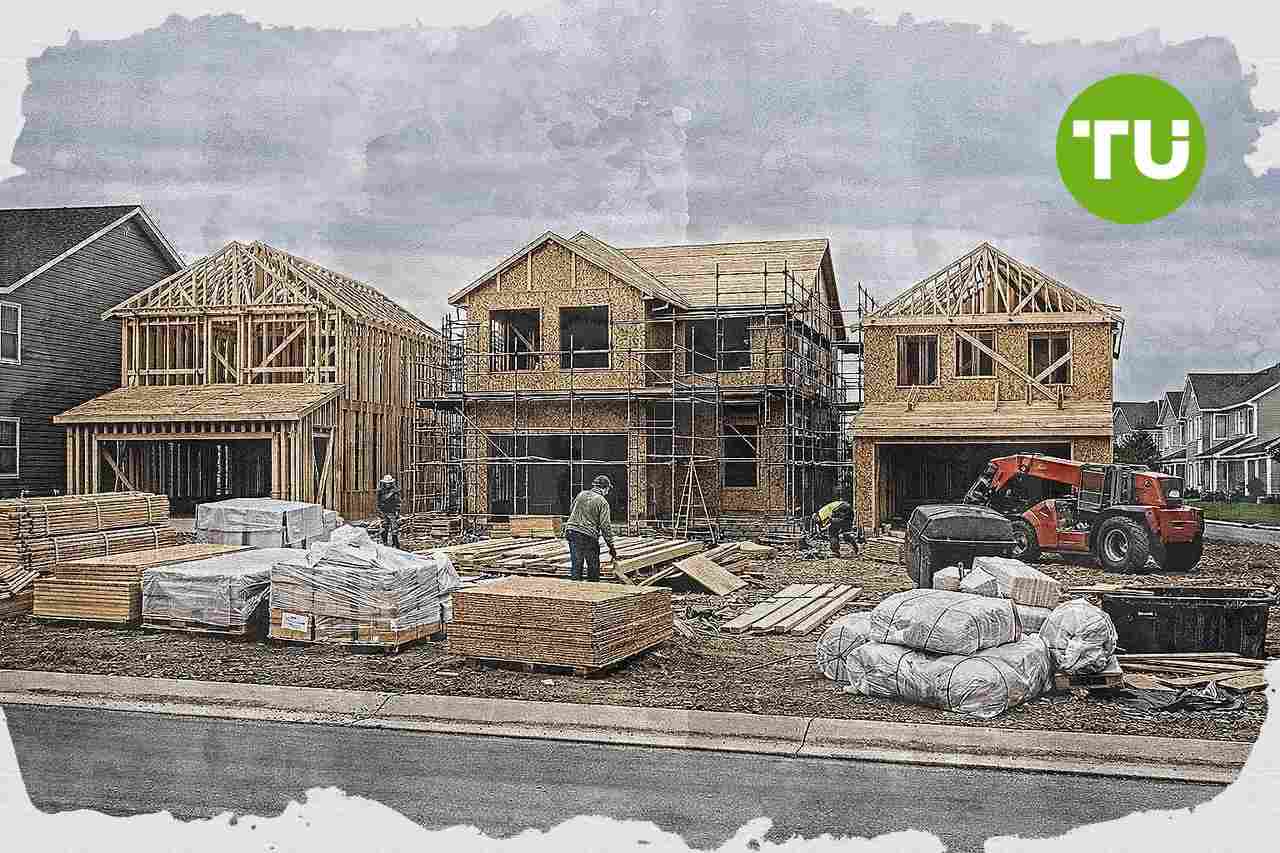
Housing affordability and homebuilding continue to diverge sharply across the U.S., with Midwestern and Southern states generally offering stronger conditions for buyers than coastal markets. Realtor.com's 2026 housing report card places Indiana at the top of its state rankings and New York at the bottom, underscoring how supply constraints and construction costs shape regional differences.
Highlights
- Realtor.com's annual housing report card ranks Indiana first with an A grade for affordability, while New York finishes last with an F grade.
- The report shows Midwest and Southern states like Texas (A-) and Iowa (A) outperform coasts due to lower living costs and more affordable housing supply.
- Coastal and New England states such as California, Massachusetts, and Connecticut receive F grades, hindered by high costs, slow construction, and regulatory obstacles.
State ranking reflects affordability and building trends
As reported by Realtor.com, the annual housing report card grades all 50 states and Washington, DC, from A to F based on home affordability and the pace of new housing construction. The ranking shows the strongest-performing states remain concentrated in the Midwest and South, where lower living costs and a larger stock of relatively affordable homes continue to support buyers.Indiana ranks first with an A grade, followed by Iowa and South Carolina. Texas receives an A- grade, while North Carolina and Nebraska earn B+ grades, and Delaware, South Dakota, Arkansas, and Oklahoma each receive B grades.
Joel Berner, a senior economist at Realtor.com, says homebuilding is a key signal for the housing market because it affects long-term affordability. He says constrained new supply can worsen affordability over time, even in states that currently score well on income relative to home prices.
Coastal markets face higher costs and slower supply growth
At the bottom of the ranking, states graded from C to F are largely concentrated in the West and New England, where higher costs and slower construction weigh on affordability. New York ranks last with an F grade, while Massachusetts, Rhode Island, Hawaii, California, and Connecticut also receive F grades.Other low-ranked states include Oregon with a D-, Montana and New Jersey with D grades, and New Hampshire with a D+ grade. Berner says these markets often face slower and more expensive building conditions because of zoning restrictions, permitting delays, and building-code requirements.
The report suggests states in the center of the country continue to hold a competitive advantage because land is generally cheaper and development is easier. Median listing price, household income, and population data in the ranking draw on Realtor.com and the U.S. Census Bureau.
Our earlier article on New York City’s rent burden examined how the city’s relatively high household incomes still collide with steep housing costs across the five boroughs. We noted that renters make up the majority of residents and that many households spend more than 30% of their income on housing, keeping affordability strained despite some savings on transportation.





Latest Housing Market News









-
 Afghanistan
-
 Albania
-
 Algeria
-
 Angola
-
 Argentina
-
 Armenia
-
 Australia
-
 Austria
-
 Azerbaijan
-
 Bahamas
-
 Bahrain
-
 Bangladesh
-
 Belarus
-
 Belgium
-
 Bolivia
-
 Botswana
-
 Brazil
-
 Brunei
-
 Bulgaria
-
 Cambodia
-
 Cameroon
-
 Canada
-
 Chile
Chile
-
 China
China
-
 Colombia
-
 Congo
Congo
-
 Costa Rica
-
 Cote d'Ivoire
-
 Croatia
-
 Cuba
Cuba
-
 Cyprus
-
 Czechia
-
 DR Congo
-
 Denmark
-
 Dominican Republic
-
 Ecuador
-
 Egypt
Egypt
-
 El Salvador
-
 Estonia
-
 Eswatini
-
 Ethiopia
-
 Finland
-
 France
-
 Georgia
-
 Germany
-
 Ghana
Ghana
-
 Greece
-
 Haiti
Haiti
-
 Hong Kong
-
 Hungary
-
 India
India
-
 Indonesia
-
 Iran, Islamic republic
-
 Iraq
Iraq
-
 Ireland
-
 Israel
-
 Italy
Italy
-
 Jamaica
-
 Japan
Japan
-
 Jordan
-
 Kazakhstan
-
 Kenya
Kenya
-
 Korea
Korea
-
 Kuwait
-
 Kyrgyzstan
-
 Laos
Laos
-
 Latvia
-
 Lebanon
-
 Lesotho
-
 Libya
Libya
-
 Lithuania
-
 Luxembourg
-
 Madagascar
-
 Malaysia
-
 Malta
Malta
-
 Mauritius
-
 Mexico
-
 Moldova
-
 Mongolia
-
 Montenegro
-
 Morocco
-
 Mozambique
-
 Myanmar
-
 Namibia
-
 Nepal
Nepal
-
 Netherlands
-
 New Zealand
-
 Nigeria
-
 North Macedonia
-
 Norway
-
 Oman
Oman
-
 Pakistan
-
 Palestine
-
 Panama
-
 Papua New Guinea
-
 Paraguay
-
 Peru
Peru
-
 Philippines
-
 Poland
-
 Portugal
-
 Puerto Rico
-
 Qatar
Qatar
-
 Reunion
-
 Romania
-
 Rwanda
-
 Saudi Arabia
-
 Serbia
-
 Singapore
-
 Slovakia
-
 Slovenia
-
 Somalia
-
 South Africa
-
 Spain
Spain
-
 Sri Lanka
-
 Sweden
-
 Switzerland
-
 Syria
Syria
-
 Taiwan
-
 Tajikistan
-
 Tanzania
-
 Thailand
-
 Trinidad and Tobago
-
 Tunisia
-
 Turkey
-
 UAE
UAE
-
 Uganda
-
 Ukraine
-
 United Kingdom
-
United States
-
 Uruguay
-
 Uzbekistan
-
 Venezuela
-
 Vietnam
-
 Yemen
Yemen
-
 Zambia
-
 Zimbabwe
- Forex
- Crypto












