
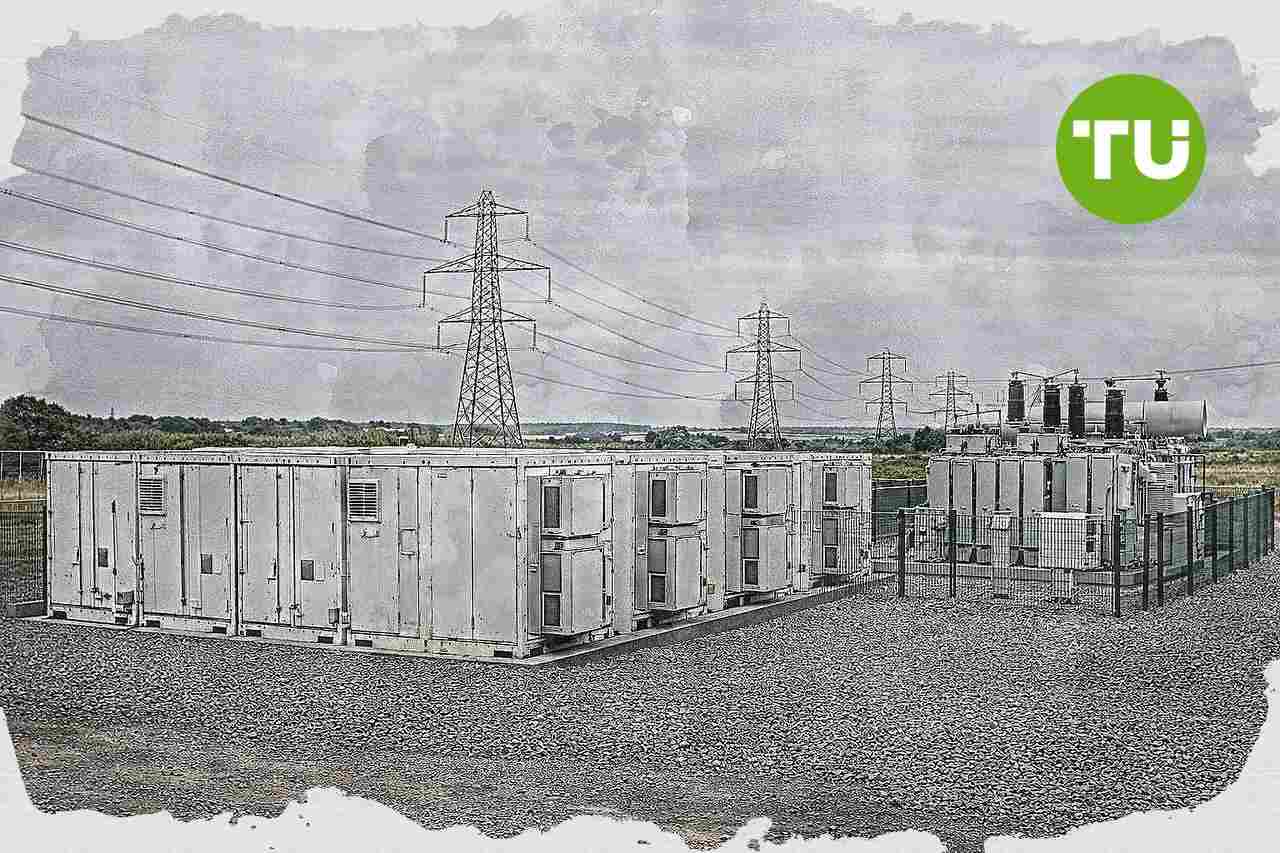
Britain's electricity system is incurring extra consumer costs as storage assets repeatedly sell power and then are paid to hold it back when the grid cannot absorb the supply. The issue highlights how network constraints and wholesale market rules are complicating the country's push to add more renewable energy by 2030.
Highlights
- Ofgem reports the National Energy System Operator will incur £99mn in 2025-26 due to 'repetitive re-trading' by hydropower and battery assets.
- Current market design allows storage operators to repeatedly resell electricity in constrained areas, worsening network constraints and adding to consumer bills.
- Ministers rejected proposals for separate pricing zones in Britain’s electricity market last year, maintaining inefficiencies and restraint on storage reform despite rising renewable integration.
Ofgem flags rising storage trading costs
As reported by Financial Times, sector regulator Ofgem says the National Energy System Operator, Neso, spends £99mn in 2025-26 on costs linked to "repetitive re-trading", a practice in which hydropower stations and batteries resell electricity and are then paid not to deliver it because local network capacity is insufficient.In Britain's power market, generators sell electricity ahead of time using a single national wholesale price, regardless of whether nearby cables can carry that power to consumers. Neso then steps in to manage supply and demand mismatches, often paying generators in constrained areas to cut output while paying others elsewhere to raise generation, with the costs recovered through levies on consumer bills.
Ofgem says the practice does not break market rules but stems from market design. The regulator also reminds hydropower and battery operators that they must provide Neso with accurate estimates of planned output and ensure trading algorithms operate within the rules.
In a market notice published on Friday, Ofgem says existing arrangements can lead to sub-optimal use of storage assets, worsening network constraints instead of easing them. It adds that it is working with the government and Neso to reduce the impact.
Renewables expansion sharpens pressure for reform
Britain is overhauling its power system to bring in more renewable generation as the government targets decarbonising the electricity system by 2030. Balancing the grid is becoming more complex because wind and solar output is intermittent and geographically dispersed, increasing the importance of batteries and hydropower stations that can store electricity and release it when needed.Unlike wind and solar farms, which cannot retain unsent electricity for later sale, storage operators still hold the same energy after curtailment because they have not discharged it. Ofgem says this means storage providers can repeatedly resell the same power in areas with insufficient network capacity, aggravating the constraint rather than helping resolve it.
Ofgem adds that much of the cost comes from paying other generators, mainly gas-fired plants, to increase output when storage technologies are curtailed. Kate Gilmartin, chief executive of the British Hydropower Association, says repetitive re-trading is fundamentally a market design problem rather than a storage problem, and that the market needs to evolve to improve the use of electricity storage.
The debate comes after ministers last year rejected proposals to divide Britain's electricity market into separate pricing zones, a change supporters say would have improved efficiency and reduced the risk of this type of distortion.
In our earlier article on the 10-year anniversary of the Brexit referendum, we looked at how the 2016 vote reshaped the UK’s economy and investor sentiment. We noted that while London’s financial sector remained resilient and continued to attract major commitments, parts of the economy faced weaker competitiveness and ongoing uncertainty that can feed into higher costs and pressure for reform.




Latest National Grid News






-
 Afghanistan
-
 Albania
-
 Algeria
-
 Angola
-
 Argentina
-
 Armenia
-
 Australia
-
 Austria
-
 Azerbaijan
-
 Bahamas
-
 Bahrain
-
 Bangladesh
-
 Belarus
-
 Belgium
-
 Bolivia
-
 Botswana
-
 Brazil
-
 Brunei
-
 Bulgaria
-
 Cambodia
-
 Cameroon
-
 Canada
-
 Chile
Chile
-
 China
China
-
 Colombia
-
 Congo
Congo
-
 Costa Rica
-
 Cote d'Ivoire
-
 Croatia
-
 Cuba
Cuba
-
 Cyprus
-
 Czechia
-
 DR Congo
-
 Denmark
-
 Dominican Republic
-
 Ecuador
-
 Egypt
Egypt
-
 El Salvador
-
 Estonia
-
 Eswatini
-
 Ethiopia
-
 Finland
-
 France
-
 Georgia
-
 Germany
-
 Ghana
Ghana
-
 Greece
-
 Haiti
Haiti
-
 Hong Kong
-
 Hungary
-
 India
India
-
 Indonesia
-
 Iran, Islamic republic
-
 Iraq
Iraq
-
 Ireland
-
 Israel
-
 Italy
Italy
-
 Jamaica
-
 Japan
Japan
-
 Jordan
-
 Kazakhstan
-
 Kenya
Kenya
-
 Korea
Korea
-
 Kuwait
-
 Kyrgyzstan
-
 Laos
Laos
-
 Latvia
-
 Lebanon
-
 Lesotho
-
 Libya
Libya
-
 Lithuania
-
 Luxembourg
-
 Madagascar
-
 Malaysia
-
 Malta
Malta
-
 Mauritius
-
 Mexico
-
 Moldova
-
 Mongolia
-
 Montenegro
-
 Morocco
-
 Mozambique
-
 Myanmar
-
 Namibia
-
 Nepal
Nepal
-
 Netherlands
-
 New Zealand
-
 Nigeria
-
 North Macedonia
-
 Norway
-
 Oman
Oman
-
 Pakistan
-
 Palestine
-
 Panama
-
 Papua New Guinea
-
 Paraguay
-
 Peru
Peru
-
 Philippines
-
 Poland
-
 Portugal
-
 Puerto Rico
-
 Qatar
Qatar
-
 Reunion
-
 Romania
-
 Rwanda
-
 Saudi Arabia
-
 Serbia
-
 Singapore
-
 Slovakia
-
 Slovenia
-
 Somalia
-
 South Africa
-
 Spain
Spain
-
 Sri Lanka
-
 Sweden
-
 Switzerland
-
 Syria
Syria
-
 Taiwan
-
 Tajikistan
-
 Tanzania
-
 Thailand
-
 Trinidad and Tobago
-
 Tunisia
-
 Turkey
-
 UAE
UAE
-
 Uganda
-
 Ukraine
-
 United Kingdom
-
United States
-
 Uruguay
-
 Uzbekistan
-
 Venezuela
-
 Vietnam
-
 Yemen
Yemen
-
 Zambia
-
 Zimbabwe
- Forex
- Crypto












