
UK grocery inflation slows as June food price pressures ease
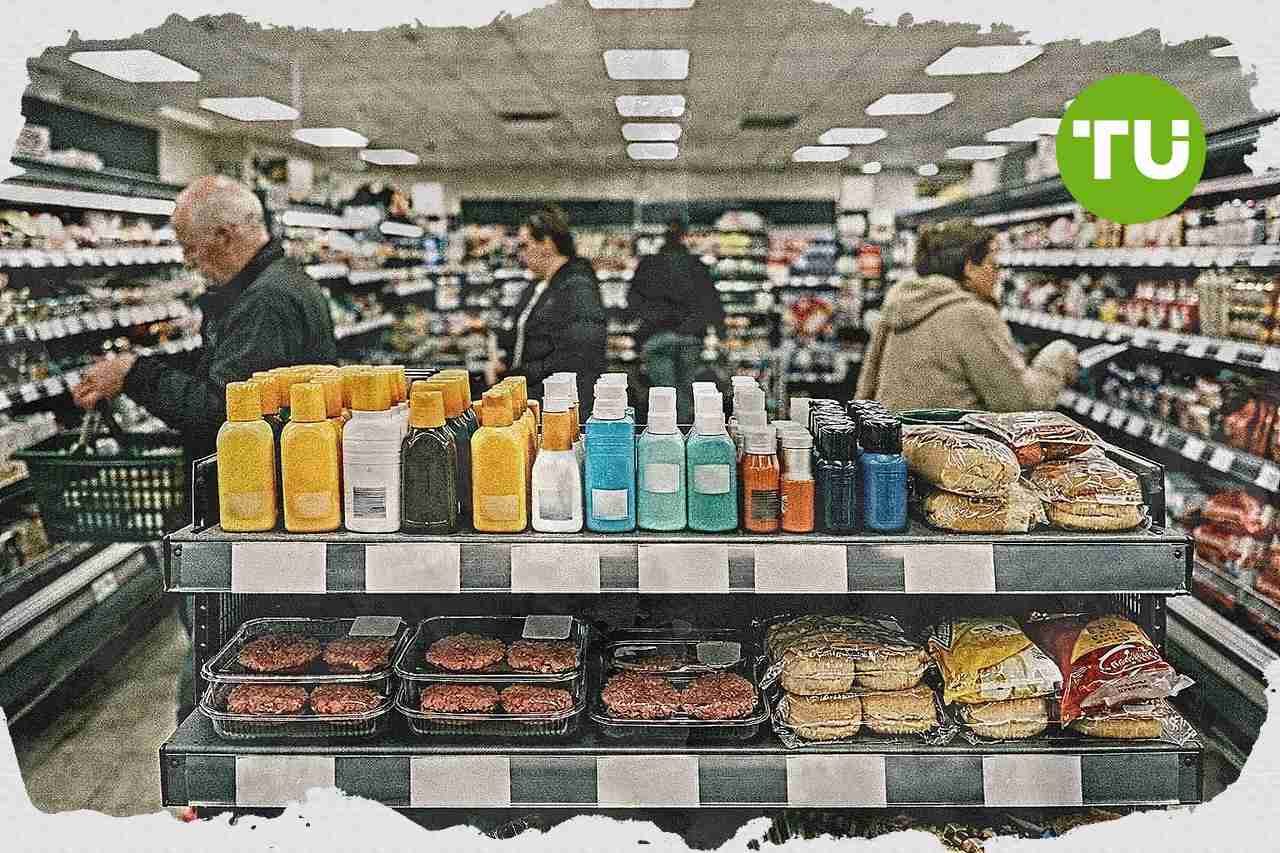
Food price growth in the UK is easing in mid-June, offering an early sign that supermarket shelves are not yet seeing a broader inflation shock from the Iran conflict. The slowdown comes as grocery sales still rise in value terms, though the increase suggests shoppers are buying less once inflation is taken into account.
Highlights
- UK grocery inflation slows to 3.0% in the four weeks to June 14 from 3.1% previously, with shoppers buying fewer goods by volume.
- Tesco's sales growth slows to 1.2% over the 12 weeks to June 14 with its market share down 10 basis points, while Sainsbury's sales rise 2.0% and market share increases by 10 basis points.
- Lidl GB posts 8.6% sales growth as fastest-growing physical grocer, while Ocado leads overall with a 13.5% rise; Asda continues losing market share.
June pricing trends and retail demand
As reported by Reuters, Worldpanel by Numerator states that British grocery inflation slows to 3.0% in the four weeks to June 14, down from 3.1% in the previous monthly reading and 3.8% in the one before that.The dataset provides an early view of UK consumer behaviour ahead of official food price data due on July 22. UK grocery sales rise 2.4% year on year over the four-week period, indicating that shoppers buy fewer goods in volume terms despite stronger demand for summer items such as sun care products and beef burgers during a ten-day heatwave.
Worldpanel says prices are rising fastest in fresh fish and skin care, while they are falling fastest in butter and spreads and in soft drinks. Shoppers also continue to rely on promotions, with 30.4% of all sales made on some form of deal.
Competitive pressure and inflation outlook
Retailers and industry groups are still split on whether conflict-related cost pressures will intensify over the coming months. Tesco says last week that Iran war-driven inflation has not materialised as an issue so far and repeats that it does not share a Food and Drink Federation warning that food prices will rise by almost 10% by December.By contrast, the British Retail Consortium expects food inflation to pick up in the months ahead as input costs rise because of the conflict. Over the 12 weeks to June 14, Tesco's sales growth slows to 1.2% and its market share edges down by 10 basis points, while Sainsbury's sales rise 2.0% and its market share edges up by 10 basis points.
Lidl GB remains the fastest-growing bricks-and-mortar grocer in the dataset with sales up 8.6%, while online supermarket Ocado stays the fastest-growing retailer overall with a 13.5% increase. Asda continues to lose market share.
Post-Brexit economic strain in the UK has remained visible a decade after the referendum, with weaker growth and a pound still well below pre-2016 levels. Our earlier coverage noted that the softer sterling has helped keep import costs elevated for households, while trade dependence on the EU has stayed substantial despite promises of greater economic autonomy.




Latest Retail Sales News






-
 Afghanistan
-
 Albania
-
 Algeria
-
 Angola
-
 Argentina
-
 Armenia
-
 Australia
-
 Austria
-
 Azerbaijan
-
 Bahamas
-
 Bahrain
-
 Bangladesh
-
 Belarus
-
 Belgium
-
 Bolivia
-
 Botswana
-
 Brazil
-
 Brunei
-
 Bulgaria
-
 Cambodia
-
 Cameroon
-
 Canada
-
 Chile
Chile
-
 China
China
-
 Colombia
-
 Congo
Congo
-
 Costa Rica
-
 Cote d'Ivoire
-
 Croatia
-
 Cuba
Cuba
-
 Cyprus
-
 Czechia
-
 DR Congo
-
 Denmark
-
 Dominican Republic
-
 Ecuador
-
 Egypt
Egypt
-
 El Salvador
-
 Estonia
-
 Eswatini
-
 Ethiopia
-
 Finland
-
 France
-
 Georgia
-
 Germany
-
 Ghana
Ghana
-
 Greece
-
 Haiti
Haiti
-
 Hong Kong
-
 Hungary
-
 India
India
-
 Indonesia
-
 Iran, Islamic republic
-
 Iraq
Iraq
-
 Ireland
-
 Israel
-
 Italy
Italy
-
 Jamaica
-
 Japan
Japan
-
 Jordan
-
 Kazakhstan
-
 Kenya
Kenya
-
 Korea
Korea
-
 Kuwait
-
 Kyrgyzstan
-
 Laos
Laos
-
 Latvia
-
 Lebanon
-
 Lesotho
-
 Libya
Libya
-
 Lithuania
-
 Luxembourg
-
 Madagascar
-
 Malaysia
-
 Malta
Malta
-
 Mauritius
-
 Mexico
-
 Moldova
-
 Mongolia
-
 Montenegro
-
 Morocco
-
 Mozambique
-
 Myanmar
-
 Namibia
-
 Nepal
Nepal
-
 Netherlands
-
 New Zealand
-
 Nigeria
-
 North Macedonia
-
 Norway
-
 Oman
Oman
-
 Pakistan
-
 Palestine
-
 Panama
-
 Papua New Guinea
-
 Paraguay
-
 Peru
Peru
-
 Philippines
-
 Poland
-
 Portugal
-
 Puerto Rico
-
 Qatar
Qatar
-
 Reunion
-
 Romania
-
 Rwanda
-
 Saudi Arabia
-
 Serbia
-
 Singapore
-
 Slovakia
-
 Slovenia
-
 Somalia
-
 South Africa
-
 Spain
Spain
-
 Sri Lanka
-
 Sweden
-
 Switzerland
-
 Syria
Syria
-
 Taiwan
-
 Tajikistan
-
 Tanzania
-
 Thailand
-
 Trinidad and Tobago
-
 Tunisia
-
 Turkey
-
 UAE
UAE
-
 Uganda
-
 Ukraine
-
 United Kingdom
-
United States
-
 Uruguay
-
 Uzbekistan
-
 Venezuela
-
 Vietnam
-
 Yemen
Yemen
-
 Zambia
-
 Zimbabwe
- Forex
- Crypto












