
Taiwan signals first national stablecoin could launch by 2026
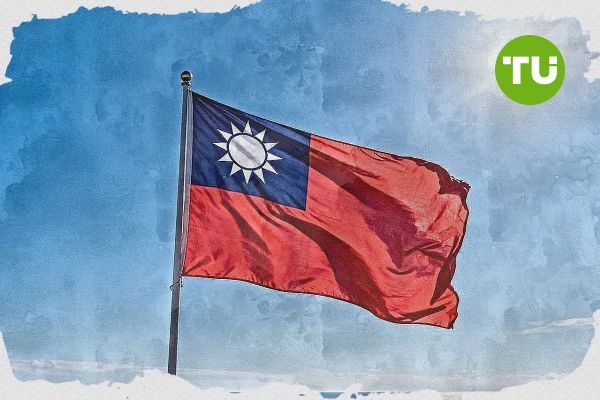
Taiwan is moving closer to launching its first domestically issued stablecoin, with regulators signaling that a debut could come as early as late 2026.
The draft Virtual Assets Service Act has passed initial cabinet review, and according to FSC Chair Peng Jin-long, stablecoin-specific rules would follow within six months after legislative approval, reports Cryptopolitan.
What remains undecided is whether the new token will be pegged to the New Taiwan dollar or the US dollar — a choice that carries major implications for capital controls. A USD-backed version could allow users to bypass strict limits on exporting the Taiwan dollar offshore, while an NTD-backed coin would operate under tighter oversight. Taiwan’s central bank, long wary of offshore TWD circulation, is expected to play a licensing role in the FSC’s final regulatory framework. For now, full-reserve backing, asset segregation, and domestic custody rules are shaping early drafts.
Analysts warn late entry may limit Taiwan’s stablecoin competitiveness
Industry observers argue that Taiwan may struggle to gain traction in a global stablecoin market already dominated by USD-pegged assets. TAITRA senior advisor James Lee questioned why users would adopt a Taiwan-issued USD stablecoin when USDC and USDT offer liquidity, reputation and zero switching costs. He also noted structural disadvantages, including low yields on reserve assets in Taiwan compared to the US.
While several banks — including O-Bank, KGI Bank and Cathay United Bank — are preparing issuance plans, analysts warn that adoption may be confined to niche domestic use. Still, regulators view a local framework as necessary to maintain oversight of foreign-exchange flows and prevent unregulated stablecoins from influencing monetary policy. The Virtual Assets Service Act marks Taiwan’s first attempt to comprehensively supervise digital-asset activities, including both USD- and TWD-pegged tokens.
Global race for national and bank-issued stablecoins accelerates
Taiwan’s deliberations come as countries worldwide rush to introduce sovereign or regulated stablecoins in response to overwhelming US dominance in the sector. Roughly 99% of stablecoin volume is tied to the US dollar — a position reinforced by early-mover advantage and the US GENIUS Act. Europe is moving forward with Qivalis, a bank-backed euro stablecoin slated for late 2026 under MiCA rules. Israel has announced a 2026 launch for its digital shekel, paired with stricter oversight of private stablecoin issuers.
Japan’s Sony Bank is preparing a USD-backed stablecoin for entertainment payments, while South Korea is considering restricting won-stablecoin issuance to bank-majority consortia. With global stablecoin supply projected to reach $1.9 trillion to $4 trillion by 2030, Taiwan now faces a strategic decision: join the wave early enough to shape regional adoption, or risk being overshadowed by stronger international issuers.
Recently we wrote that Israel is moving to impose stricter regulations on private stablecoin issuers as the country prepares for the 2026 launch of its digital shekel.





Latest Crypto News






-
 Afghanistan
-
 Albania
-
 Algeria
-
 Angola
-
 Argentina
-
 Armenia
-
 Australia
-
 Austria
-
 Azerbaijan
-
 Bahamas
-
 Bahrain
-
 Bangladesh
-
 Belarus
-
 Belgium
-
 Bolivia
-
 Botswana
-
 Brazil
-
 Brunei
-
 Bulgaria
-
 Cambodia
-
 Cameroon
-
 Canada
-
 Chile
Chile
-
 China
China
-
 Colombia
-
 Congo
Congo
-
 Costa Rica
-
 Cote d'Ivoire
-
 Croatia
-
 Cuba
Cuba
-
 Cyprus
-
 Czechia
-
 DR Congo
-
 Denmark
-
 Dominican Republic
-
 Ecuador
-
 Egypt
Egypt
-
 El Salvador
-
 Estonia
-
 Eswatini
-
 Ethiopia
-
 Finland
-
 France
-
 Georgia
-
 Germany
-
 Ghana
Ghana
-
 Greece
-
 Haiti
Haiti
-
 Hong Kong
-
 Hungary
-
 India
India
-
 Indonesia
-
 Iran, Islamic republic
-
 Iraq
Iraq
-
 Ireland
-
 Israel
-
 Italy
Italy
-
 Jamaica
-
 Japan
Japan
-
 Jordan
-
 Kazakhstan
-
 Kenya
Kenya
-
 Korea
Korea
-
 Kuwait
-
 Kyrgyzstan
-
 Laos
Laos
-
 Latvia
-
 Lebanon
-
 Lesotho
-
 Libya
Libya
-
 Lithuania
-
 Luxembourg
-
 Madagascar
-
 Malaysia
-
 Malta
Malta
-
 Mauritius
-
 Mexico
-
 Moldova
-
 Mongolia
-
 Montenegro
-
 Morocco
-
 Mozambique
-
 Myanmar
-
 Namibia
-
 Nepal
Nepal
-
 Netherlands
-
 New Zealand
-
 Nigeria
-
 North Macedonia
-
 Norway
-
 Oman
Oman
-
 Pakistan
-
 Palestine
-
 Panama
-
 Papua New Guinea
-
 Paraguay
-
 Peru
Peru
-
 Philippines
-
 Poland
-
 Portugal
-
 Puerto Rico
-
 Qatar
Qatar
-
 Reunion
-
 Romania
-
 Rwanda
-
 Saudi Arabia
-
 Serbia
-
 Singapore
-
 Slovakia
-
 Slovenia
-
 Somalia
-
 South Africa
-
 Spain
Spain
-
 Sri Lanka
-
 Sweden
-
 Switzerland
-
 Syria
Syria
-
 Taiwan
-
 Tajikistan
-
 Tanzania
-
 Thailand
-
 Trinidad and Tobago
-
 Tunisia
-
 Turkey
-
 UAE
UAE
-
 Uganda
-
 Ukraine
-
 United Kingdom
-
United States
-
 Uruguay
-
 Uzbekistan
-
 Venezuela
-
 Vietnam
-
 Yemen
Yemen
-
 Zambia
-
 Zimbabwe
- Forex
- Crypto












