The tweet was deleted by the author.
But we saved everything 🙂.

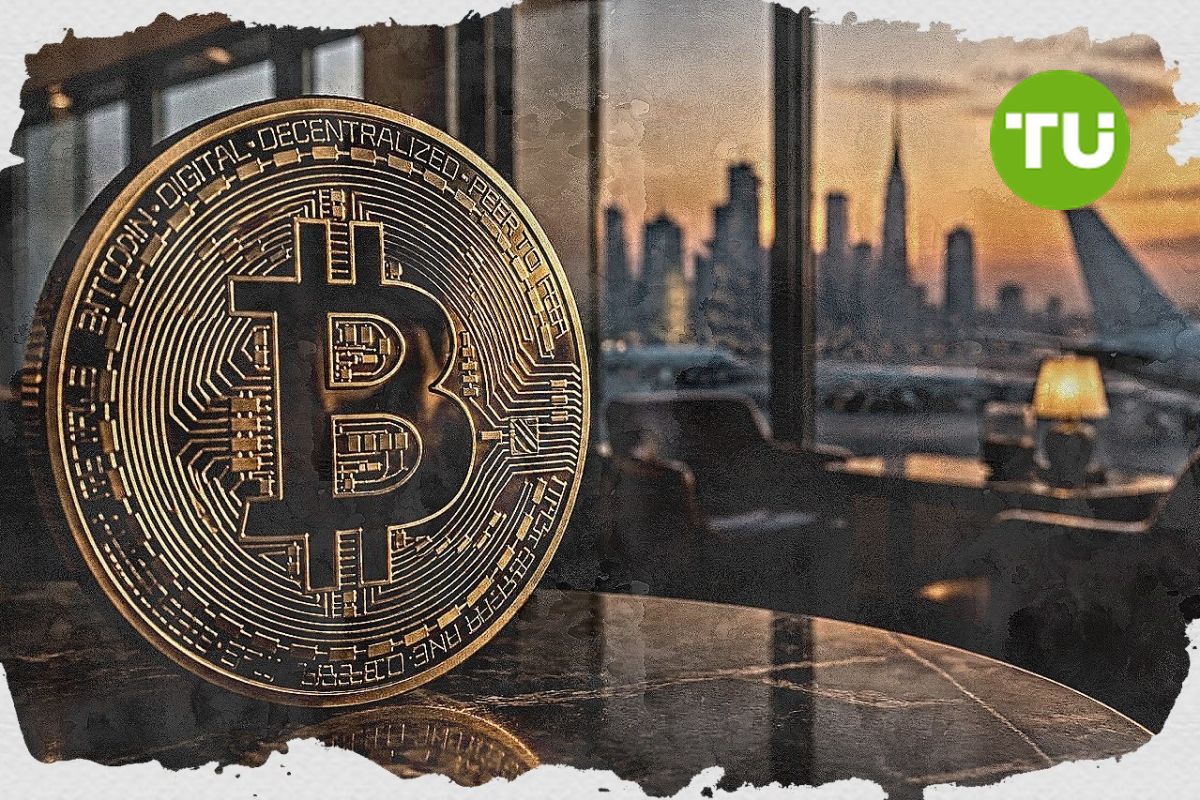
Bitcoin is reshaping the global wealth map. According to Henley & Partners, the number of cryptocurrency millionaires grew by 40% in a year, surpassing 240,000 people. Digital assets have long since moved beyond being a niche tool, forming a new generation of “crypto-rich.”
Over the past year, the number of cryptocurrency millionaires increased by more than a third, reaching 241,700 people, according to a new report by Henley & Partners. The biggest surge came from Bitcoin holders: their number jumped by 70%, exceeding 145,000. At the same time, the count of crypto ultra-wealthy with fortunes of $100 million or more in digital assets rose to 450, while the number of crypto billionaires hit 36 — a third more than a year ago.
Altogether, the combined wealth of crypto millionaires amounts to $3.3 trillion — 45% more than a year earlier. Still, crypto millionaires account for only 0.4% of the world’s 60 million millionaires. Meanwhile, the total number of cryptocurrency users worldwide has now reached 590 million.
So where do Bitcoin millionaires reside? The leading crypto hubs are Singapore, Hong Kong, and the United States — countries offering advanced financial infrastructure, access to liquidity, and a favorable investment environment. Switzerland and the United Arab Emirates also rank among the top, combining strong capital protection with attractive tax regimes. Here, crypto-rich individuals find everything they need, from family offices to specialized custody and wealth management services.
At the same time, new “oases” for investors are emerging. El Salvador, the first country to recognize Bitcoin as legal tender, is actively building its image as a global crypto hub. Costa Rica, Latvia, Panama, and other smaller states are crafting their own strategies, offering incentives and residency programs for digital asset owners. The competition among nations for wealthy crypto residents is intensifying, as attracting them also brings investments, technology, and the prestige of being seen as a crypto-friendly jurisdiction.
The crypto-rich aren’t just anonymous early investors who bought Bitcoin at the right time, but also public figures behind the industry’s biggest projects. Among them are Changpeng Zhao, founder of Binance, the world’s largest crypto exchange, and Brian Armstrong, CEO of Coinbase — the first U.S. crypto exchange to go public on Nasdaq.
Another key figure is Michael Saylor, co-founder of MicroStrategy, who made Bitcoin the company’s strategic asset. Famous early investors also include the Winklevoss twins, founders of Gemini and among the first Bitcoin billionaires. And the face of “alternative” crypto wealth is Vitalik Buterin, creator of Ethereum, who opened the door to the world of smart contracts, NFTs, and DeFi.
The primary source of wealth for most crypto millionaires remains Bitcoin. It was the first digital currency recognized not only by private investors but also by major corporations. Its capped supply of 21 million coins, rising trust in blockchain technology, and the emergence of regulated instruments have made BTC the “anchor” of the entire crypto market.
Experts note that a fundamental paradigm shift is underway: if gold and real estate were once the main tools for wealth preservation, today more investors are looking at Bitcoin as an alternative to traditional assets.
Institutional players have played a decisive role in turning Bitcoin into a “new currency of wealth.” In 2025, inflows into spot Bitcoin ETFs hit record levels, at times exceeding $1 billion per day. Hedge funds, investment advisors, and brokerage firms became the largest buyers, cementing Bitcoin’s status as a “legitimate asset.” Wall Street, in effect, is accelerating the rise of a new crypto elite, shifting digital assets from risky experiments to the category of strategic investments.
Statistics show that the number of crypto-rich continues to grow — and is unlikely to stop. Bitcoin has already become a symbol of financial independence and a “new currency of wealth.” The rise in the number of cryptocurrency millionaires proves that interest in digital assets is no longer limited to enthusiasts — it now spans corporations, funds, and entire countries.
As Bitcoin solidifies its place in institutional portfolios and nations compete harder for crypto-haven status, the number of new crypto millionaires will only increase. The world of finance is changing before our eyes, and at the center of these transformations stands cryptocurrency — creating a new generation of the global elite.



 Afghanistan
 Albania
 Algeria
 Angola
 Argentina
 Armenia
 Australia
 Austria
 Azerbaijan
 Bahamas
 Bahrain
 Bangladesh
 Belarus
 Belgium
 Bolivia
 Botswana
 Brazil
 Brunei
 Bulgaria
 Cambodia
 Cameroon
 Canada
 Chile
Chile
 China
China
 Colombia
 Congo
Congo
 Costa Rica
 Cote d'Ivoire
 Croatia
 Cuba
Cuba
 Cyprus
 Czechia
 DR Congo
 Denmark
 Dominican Republic
 Ecuador
 Egypt
Egypt
 El Salvador
 Estonia
 Eswatini
 Ethiopia
 Finland
 France
 Georgia
 Germany
 Ghana
Ghana
 Greece
 Haiti
Haiti
 Hong Kong
 Hungary
 India
India
 Indonesia
 Iran, Islamic republic
 Iraq
Iraq
 Ireland
 Israel
 Italy
Italy
 Jamaica
 Japan
Japan
 Jordan
 Kazakhstan
 Kenya
Kenya
 Korea
Korea
 Kuwait
 Kyrgyzstan
 Laos
Laos
 Latvia
 Lebanon
 Lesotho
 Libya
Libya
 Lithuania
 Luxembourg
 Madagascar
 Malaysia
 Malta
Malta
 Mauritius
 Mexico
 Moldova
 Mongolia
 Montenegro
 Morocco
 Mozambique
 Myanmar
 Namibia
 Nepal
Nepal
 Netherlands
 New Zealand
 Nigeria
 North Macedonia
 Norway
 Oman
Oman
 Pakistan
 Palestine
 Panama
 Papua New Guinea
 Paraguay
 Peru
Peru
 Philippines
 Poland
 Portugal
 Puerto Rico
 Qatar
Qatar
 Reunion
 Romania
 Rwanda
 Saudi Arabia
 Serbia
 Singapore
 Slovakia
 Slovenia
 Somalia
 South Africa
 Spain
Spain
 Sri Lanka
 Sweden
 Switzerland
 Syria
Syria
 Taiwan
 Tajikistan
 Tanzania
 Thailand
 Trinidad and Tobago
 Tunisia
 Turkey
 UAE
UAE
 Uganda
 Ukraine
 United Kingdom
United States
United Kingdom
United States
 Uruguay
 Uzbekistan
 Venezuela
 Vietnam
 Yemen
Yemen
 Zambia
 Zimbabwe