
U.S. food inflation risks rise as Weiss Ratings flags higher grocery costs
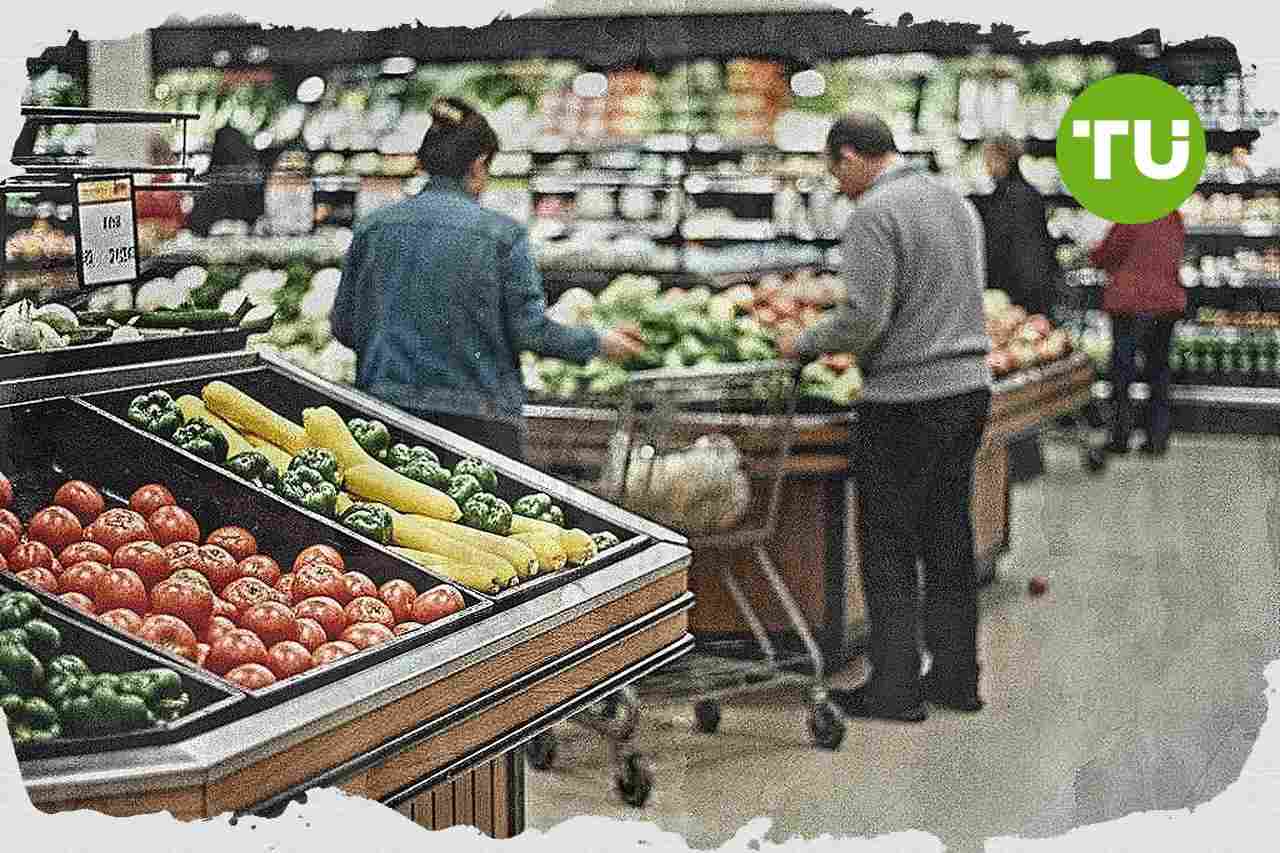
Rising commodity and input costs are increasing the risk of sharper grocery inflation in the U.S. over the coming months. The outlook reflects pressure from higher prices for items such as tomatoes, vegetables, beef and vegetable oils, alongside supply chain concerns tied to the Iran conflict.
Highlights
- Weiss Ratings reports U.S. spot food and beverage inflation surged to 7.9% year-on-year, compared to 4.2% in the previous month, with tomatoes and vegetables up over 90%.
- USDA projects all-food price increases in the U.S. at 3% midpoint for 2026, but warns of potential 6% to 8% upside due to uncertainty from Strait of Hormuz disruption.
- Weiss highlights Invesco DB Agriculture Fund (DBA) as potential hedge, while warning global food prices may end 2026 up 12% to 18% above pre-crisis levels if disruptions persist.
Price pressures and inflation outlook
As reported by Weiss Ratings, average spot inflation for U.S. food and beverages surged 7.9% year-on-year, up from 4.2% in the previous month. The commentary cites a Bank of America Global Research report calling it the largest spike in about 12 months, while noting retail CPI food still trails at 2.7%, suggesting the pass-through to grocery shelves is still developing.The cited data shows steep increases in several categories, including tomatoes at 102%, vegetables at 90%, beef at 12.1% and vegetable oils at 13.2%. The analysis links those gains to the war with Iran and the blockade of the Strait of Hormuz, which are pushing up diesel and fertilizer costs, both key inputs for food production and distribution.
USDA Economic Research Service projections currently point to U.S. all-food prices rising in the low- to mid-single digits in 2026, with a midpoint estimate near 3%. Even so, the agency acknowledges significant uncertainty, with the upper end of its range reaching 6% to 8%.
Investor hedges and broader market impact
Weiss Ratings contrasts the USDA outlook with data cited from AgFunderNews, which suggests global food prices could finish 12% to 18% above pre-crisis levels by the end of 2026 even if the Persian Gulf disruption is resolved quickly. Based on historical patterns, the commentary argues that could translate into roughly 4% to 8% U.S. food inflation over a year, and potentially close to 10% if the Strait of Hormuz disruption lasts longer than markets expect.The analysis argues investors may look for portfolio hedges against sustained food-price pressure, highlighting the Invesco DB Agriculture Fund, ticker DBA. The fund holds futures tied to corn, soybeans, wheat, sugar, coffee, cocoa, cattle and hogs, and the note says it may benefit if agricultural prices continue to climb.
For consumers and the wider economy, a prolonged rise in food costs would add pressure to household budgets and could weigh on sentiment ahead of the U.S. midterm elections. The piece rejects scenarios of 30% to 40% annual food inflation as excessive, but says even a 10% year-on-year increase would send significant shocks through the system.
Our earlier coverage examined how escalating Gulf geopolitics—including risks to oil flows through the Strait of Hormuz—can inject a sharp risk premium into crude prices and complicate the inflation outlook. We also outlined how supply-side shifts such as the UAE’s planned OPEC exit and higher future output could eventually flip the picture toward surplus, with oil prices remaining headline-driven in the meantime.














-
 Afghanistan
-
 Albania
-
 Algeria
-
 Angola
-
 Argentina
-
 Armenia
-
 Australia
-
 Austria
-
 Azerbaijan
-
 Bahamas
-
 Bahrain
-
 Bangladesh
-
 Belarus
-
 Belgium
-
 Bolivia
-
 Botswana
-
 Brazil
-
 Brunei
-
 Bulgaria
-
 Cambodia
-
 Cameroon
-
 Canada
-
 Chile
Chile
-
 China
China
-
 Colombia
-
 Congo
Congo
-
 Costa Rica
-
 Cote d'Ivoire
-
 Croatia
-
 Cuba
Cuba
-
 Cyprus
-
 Czechia
-
 DR Congo
-
 Denmark
-
 Dominican Republic
-
 Ecuador
-
 Egypt
Egypt
-
 El Salvador
-
 Estonia
-
 Eswatini
-
 Ethiopia
-
 Finland
-
 France
-
 Georgia
-
 Germany
-
 Ghana
Ghana
-
 Greece
-
 Haiti
Haiti
-
 Hong Kong
-
 Hungary
-
 India
India
-
 Indonesia
-
 Iran, Islamic republic
-
 Iraq
Iraq
-
 Ireland
-
 Israel
-
 Italy
Italy
-
 Jamaica
-
 Japan
Japan
-
 Jordan
-
 Kazakhstan
-
 Kenya
Kenya
-
 Korea
Korea
-
 Kuwait
-
 Kyrgyzstan
-
 Laos
Laos
-
 Latvia
-
 Lebanon
-
 Lesotho
-
 Libya
Libya
-
 Lithuania
-
 Luxembourg
-
 Madagascar
-
 Malaysia
-
 Malta
Malta
-
 Mauritius
-
 Mexico
-
 Moldova
-
 Mongolia
-
 Montenegro
-
 Morocco
-
 Mozambique
-
 Myanmar
-
 Namibia
-
 Nepal
Nepal
-
 Netherlands
-
 New Zealand
-
 Nigeria
-
 North Macedonia
-
 Norway
-
 Oman
Oman
-
 Pakistan
-
 Palestine
-
 Panama
-
 Papua New Guinea
-
 Paraguay
-
 Peru
Peru
-
 Philippines
-
 Poland
-
 Portugal
-
 Puerto Rico
-
 Qatar
Qatar
-
 Reunion
-
 Romania
-
 Rwanda
-
 Saudi Arabia
-
 Serbia
-
 Singapore
-
 Slovakia
-
 Slovenia
-
 Somalia
-
 South Africa
-
 Spain
Spain
-
 Sri Lanka
-
 Sweden
-
 Switzerland
-
 Syria
Syria
-
 Taiwan
-
 Tajikistan
-
 Tanzania
-
 Thailand
-
 Trinidad and Tobago
-
 Tunisia
-
 Turkey
-
 UAE
UAE
-
 Uganda
-
 Ukraine
-
 United Kingdom
-
United States
-
 Uruguay
-
 Uzbekistan
-
 Venezuela
-
 Vietnam
-
 Yemen
Yemen
-
 Zambia
-
 Zimbabwe
- Forex
- Crypto











