
U.S. House panel highlights copper policy push for domestic mining and security
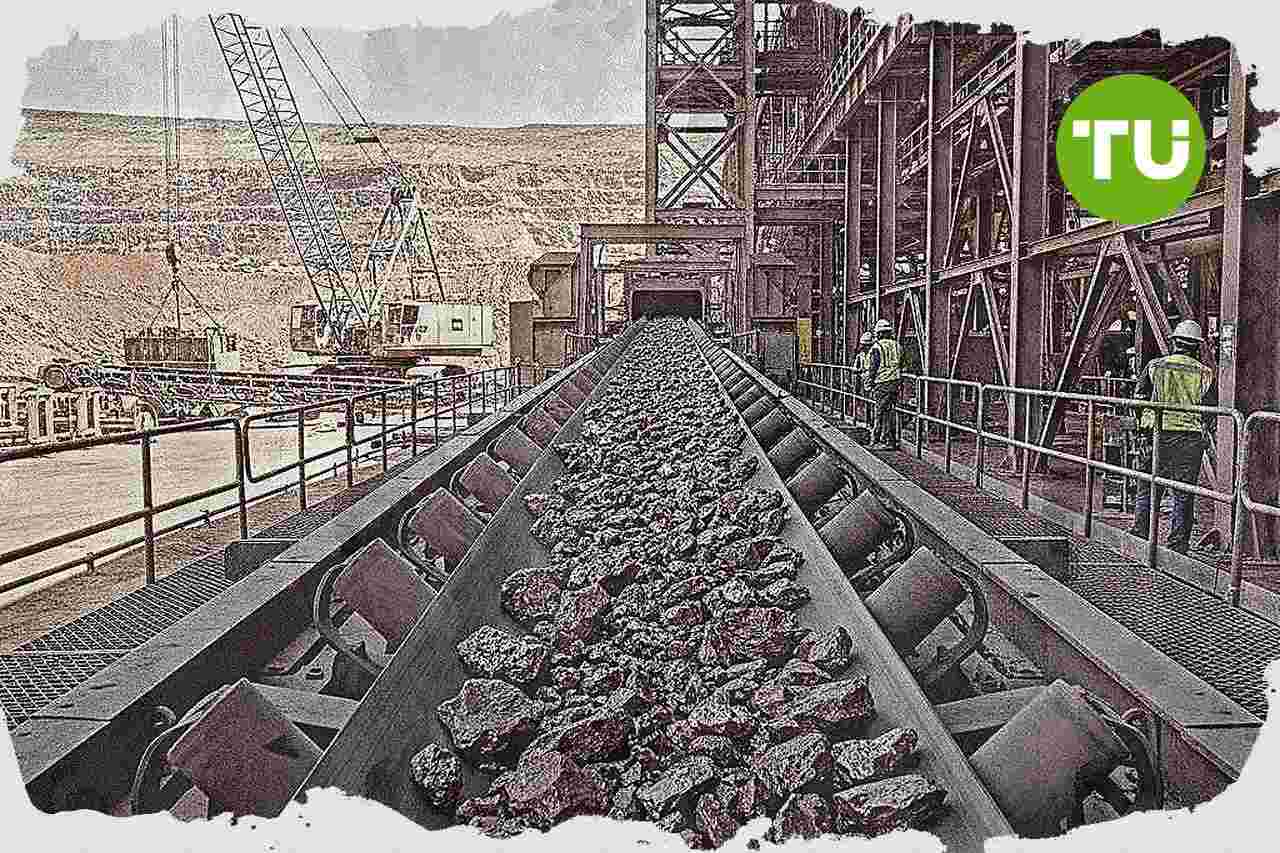
U.S. lawmakers are intensifying their focus on copper as rising demand from power systems, defense applications and advanced technologies increases pressure on domestic supply chains. The latest House oversight hearing centers on permitting reform, processing capacity and efforts to reduce reliance on China for a metal viewed as critical to economic and national security.
Highlights
- U.S. House Subcommittee on Energy and Mineral Resources held a hearing focused on strengthening domestic copper mining, processing, and permitting to secure reliable supply.
- House Republicans advanced permitting reforms and legislation to expand domestic critical minerals sourcing, highlighting risks of dependence on China-dominated copper processing.
- The committee projects copper demand will rise 50% by 2040 due to AI, renewables, EVs, and grid infrastructure, emphasizing strategic industry and national security impacts.
Copper supply agenda and hearing focus
As reported by the House Committee on Natural Resources, the Subcommittee on Energy and Mineral Resources holds an oversight hearing on copper's role in U.S. economic strength, national security and energy needs. The committee says the session examines policies to strengthen domestic mining and processing, improve permitting and secure affordable, reliable and resilient copper supplies.Subcommittee Chairman Pete Stauber says copper is essential across consumer electronics, home appliances, transmission infrastructure, military aircraft and defense systems. He says House Republicans have moved to reform the permitting system, cut red tape and pass legislation intended to expand domestic sourcing of critical minerals, while urging the Senate to act on those measures.
Stauber also points to his Minnesota district's large copper-nickel deposit and says the U.S. can responsibly develop those resources. His statement frames domestic production as a strategic response to foreign supply dependence, particularly on China.
Demand growth and strategic industry impact
Copper remains central to wiring, circuitry and motors used in cellphones, laptops, vehicles, aircraft and military systems, as well as infrastructure such as clean water piping, refrigerants and hospital medical gas networks. The committee says reliable and affordable copper supply is vital for national security, energy security and economic competitiveness.Demand for copper is expected to rise by 50% by 2040, driven by expanding electricity use, artificial intelligence, renewable energy, electric vehicles and batteries. At the same time, China dominates copper processing, a dynamic the committee says gives Beijing geopolitical leverage over the U.S. and its allies.
The hearing underscores how permitting timelines, mining investment and processing capacity are becoming more important for the U.S. metals and energy sectors. For industry, the policy debate points to a broader effort to align resource development with manufacturing, grid expansion and defense supply chain needs.
Our earlier report on the House Armed Services Committee’s FY27 Pentagon budget hearing highlighted the push for a larger defense budget to restore readiness and rebuild the U.S. defense industrial base. It emphasized concerns about weakened manufacturing capacity, low stockpiles, and strategic vulnerabilities created by reliance on foreign sources for critical inputs as China expands its military and industrial output.















-
 Afghanistan
-
 Albania
-
 Algeria
-
 Angola
-
 Argentina
-
 Armenia
-
 Australia
-
 Austria
-
 Azerbaijan
-
 Bahamas
-
 Bahrain
-
 Bangladesh
-
 Belarus
-
 Belgium
-
 Bolivia
-
 Botswana
-
 Brazil
-
 Brunei
-
 Bulgaria
-
 Cambodia
-
 Cameroon
-
 Canada
-
 Chile
Chile
-
 China
China
-
 Colombia
-
 Congo
Congo
-
 Costa Rica
-
 Cote d'Ivoire
-
 Croatia
-
 Cuba
Cuba
-
 Cyprus
-
 Czechia
-
 DR Congo
-
 Denmark
-
 Dominican Republic
-
 Ecuador
-
 Egypt
Egypt
-
 El Salvador
-
 Estonia
-
 Eswatini
-
 Ethiopia
-
 Finland
-
 France
-
 Georgia
-
 Germany
-
 Ghana
Ghana
-
 Greece
-
 Haiti
Haiti
-
 Hong Kong
-
 Hungary
-
 India
India
-
 Indonesia
-
 Iran, Islamic republic
-
 Iraq
Iraq
-
 Ireland
-
 Israel
-
 Italy
Italy
-
 Jamaica
-
 Japan
Japan
-
 Jordan
-
 Kazakhstan
-
 Kenya
Kenya
-
 Korea
Korea
-
 Kuwait
-
 Kyrgyzstan
-
 Laos
Laos
-
 Latvia
-
 Lebanon
-
 Lesotho
-
 Libya
Libya
-
 Lithuania
-
 Luxembourg
-
 Madagascar
-
 Malaysia
-
 Malta
Malta
-
 Mauritius
-
 Mexico
-
 Moldova
-
 Mongolia
-
 Montenegro
-
 Morocco
-
 Mozambique
-
 Myanmar
-
 Namibia
-
 Nepal
Nepal
-
 Netherlands
-
 New Zealand
-
 Nigeria
-
 North Macedonia
-
 Norway
-
 Oman
Oman
-
 Pakistan
-
 Palestine
-
 Panama
-
 Papua New Guinea
-
 Paraguay
-
 Peru
Peru
-
 Philippines
-
 Poland
-
 Portugal
-
 Puerto Rico
-
 Qatar
Qatar
-
 Reunion
-
 Romania
-
 Rwanda
-
 Saudi Arabia
-
 Serbia
-
 Singapore
-
 Slovakia
-
 Slovenia
-
 Somalia
-
 South Africa
-
 Spain
Spain
-
 Sri Lanka
-
 Sweden
-
 Switzerland
-
 Syria
Syria
-
 Taiwan
-
 Tajikistan
-
 Tanzania
-
 Thailand
-
 Trinidad and Tobago
-
 Tunisia
-
 Turkey
-
 UAE
UAE
-
 Uganda
-
 Ukraine
-
 United Kingdom
-
United States
-
 Uruguay
-
 Uzbekistan
-
 Venezuela
-
 Vietnam
-
 Yemen
Yemen
-
 Zambia
-
 Zimbabwe
- Forex
- Crypto












