
U.S. Senate advances pipeline safety reauthorization bill as energy transport oversight expands
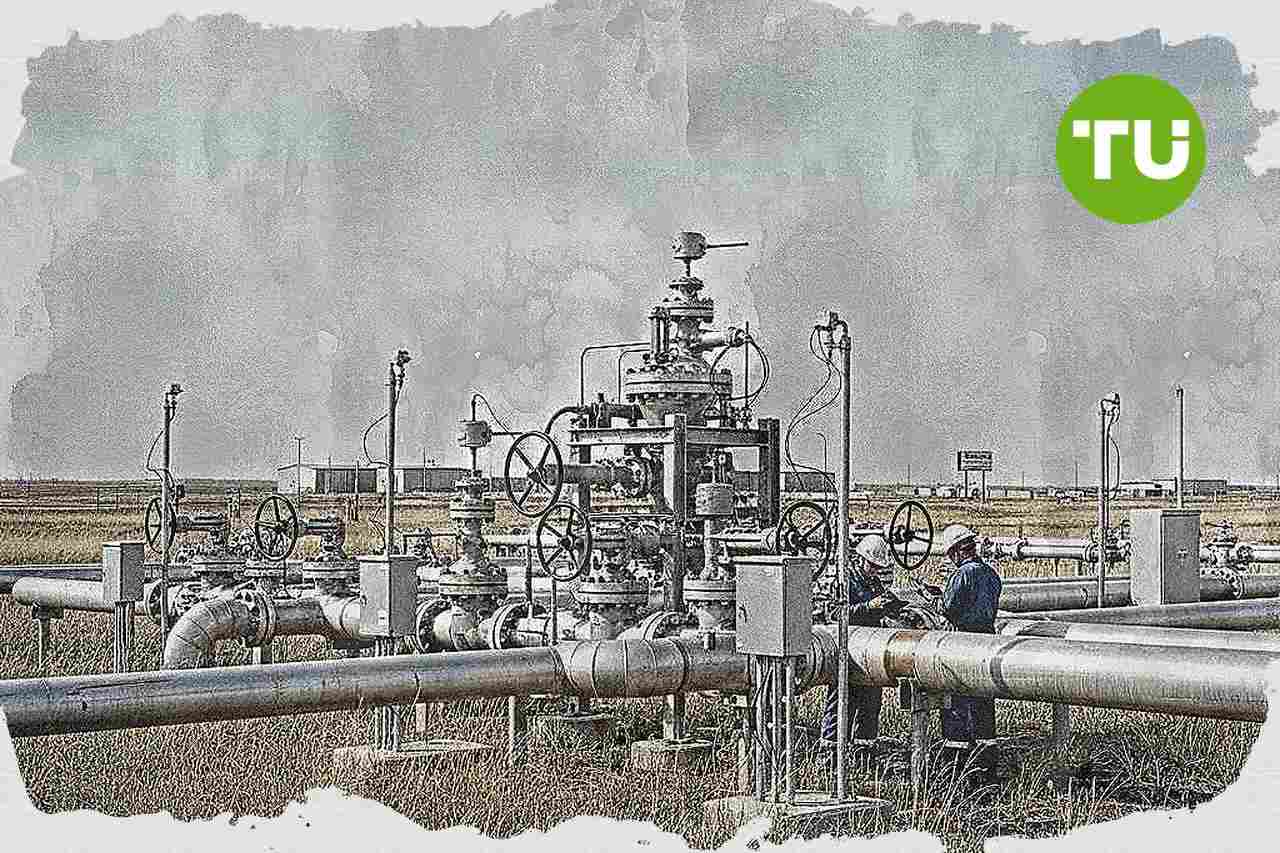
A bipartisan pipeline safety bill moves forward in the Senate as lawmakers seek to renew federal oversight of oil, gas and hazardous liquid transport. The measure reauthorizes the Pipeline and Hazardous Materials Safety Administration’s pipeline safety program for five years and adds updates tied to inspections, enforcement and newer operating practices.
Highlights
- The Senate unanimously passes the bipartisan PIPELINE Safety Act of 2025, reauthorizing the PHMSA pipeline safety program for five years.
- The measure mandates updated PHMSA rules for new pipeline materials and technologies, strengthens inspections, and expands safety education for local communities.
- Chairman Ted Cruz highlights the bill's role in supporting U.S. energy dominance and its significant impact on Texas's millions of oil and gas jobs.
Senate action and bill provisions
As reported by the Senate Committee on Commerce, Science, and Transportation, the Senate unanimously passes the bipartisan PIPELINE Safety Act of 2025 after the measure had already cleared the committee unanimously. The legislation is designed to strengthen pipeline safety while supporting the continued movement of American oil, natural gas and other hazardous liquids across the country.The bill renews the Pipeline and Hazardous Materials Safety Administration, or PHMSA, pipeline safety program for five years. It also includes provisions intended to reduce pipeline-related fatalities and injuries, support the development of new safety technologies, strengthen inspections and enforcement, and expand safety education for local communities.
The measure further requires PHMSA to update parts of its rules to reflect new pipeline materials, gases and operating practices. Chairman Ted Cruz says the bill gives federal regulators the tools needed to oversee safety without unnecessarily burdening American employers.
Energy and legislative implications
Cruz links the legislation to broader U.S. energy policy, arguing that safe pipeline transport is central to maintaining American energy dominance. He says more than 3 million miles of pipelines carry oil, natural gas and other hazardous liquids each day and adds that he wants to resolve differences with the House so the bill can reach the president.Cruz introduced the PIPELINE Safety Act of 2025 in October 2025 with Commerce Committee Ranking Member Maria Cantwell and Senators Todd Young and Gary Peters. The measure carries particular weight for Texas, which Cruz describes as home to millions of oil and gas jobs, while also signaling continued federal attention on pipeline regulation across the wider energy sector.
In our earlier report on rising electricity demand driven by AI and data center growth, we covered how U.S. lawmakers began revisiting grid planning, transmission buildout, and consumer cost protections. The piece highlighted House subcommittee discussions of a potential capacity shortfall over the next decade and a legislative push to balance reliability and affordability, including measures focused on load forecasting, cost allocation, and ratepayer safeguards.




Latest Natural Gas News







-
 Afghanistan
-
 Albania
-
 Algeria
-
 Angola
-
 Argentina
-
 Armenia
-
 Australia
-
 Austria
-
 Azerbaijan
-
 Bahamas
-
 Bahrain
-
 Bangladesh
-
 Belarus
-
 Belgium
-
 Bolivia
-
 Botswana
-
 Brazil
-
 Brunei
-
 Bulgaria
-
 Cambodia
-
 Cameroon
-
 Canada
-
 Chile
Chile
-
 China
China
-
 Colombia
-
 Congo
Congo
-
 Costa Rica
-
 Cote d'Ivoire
-
 Croatia
-
 Cuba
Cuba
-
 Cyprus
-
 Czechia
-
 DR Congo
-
 Denmark
-
 Dominican Republic
-
 Ecuador
-
 Egypt
Egypt
-
 El Salvador
-
 Estonia
-
 Eswatini
-
 Ethiopia
-
 Finland
-
 France
-
 Georgia
-
 Germany
-
 Ghana
Ghana
-
 Greece
-
 Haiti
Haiti
-
 Hong Kong
-
 Hungary
-
 India
India
-
 Indonesia
-
 Iran, Islamic republic
-
 Iraq
Iraq
-
 Ireland
-
 Israel
-
 Italy
Italy
-
 Jamaica
-
 Japan
Japan
-
 Jordan
-
 Kazakhstan
-
 Kenya
Kenya
-
 Korea
Korea
-
 Kuwait
-
 Kyrgyzstan
-
 Laos
Laos
-
 Latvia
-
 Lebanon
-
 Lesotho
-
 Libya
Libya
-
 Lithuania
-
 Luxembourg
-
 Madagascar
-
 Malaysia
-
 Malta
Malta
-
 Mauritius
-
 Mexico
-
 Moldova
-
 Mongolia
-
 Montenegro
-
 Morocco
-
 Mozambique
-
 Myanmar
-
 Namibia
-
 Nepal
Nepal
-
 Netherlands
-
 New Zealand
-
 Nigeria
-
 North Macedonia
-
 Norway
-
 Oman
Oman
-
 Pakistan
-
 Palestine
-
 Panama
-
 Papua New Guinea
-
 Paraguay
-
 Peru
Peru
-
 Philippines
-
 Poland
-
 Portugal
-
 Puerto Rico
-
 Qatar
Qatar
-
 Reunion
-
 Romania
-
 Rwanda
-
 Saudi Arabia
-
 Serbia
-
 Singapore
-
 Slovakia
-
 Slovenia
-
 Somalia
-
 South Africa
-
 Spain
Spain
-
 Sri Lanka
-
 Sweden
-
 Switzerland
-
 Syria
Syria
-
 Taiwan
-
 Tajikistan
-
 Tanzania
-
 Thailand
-
 Trinidad and Tobago
-
 Tunisia
-
 Turkey
-
 UAE
UAE
-
 Uganda
-
 Ukraine
-
 United Kingdom
-
United States
-
 Uruguay
-
 Uzbekistan
-
 Venezuela
-
 Vietnam
-
 Yemen
Yemen
-
 Zambia
-
 Zimbabwe
- Forex
- Crypto












