
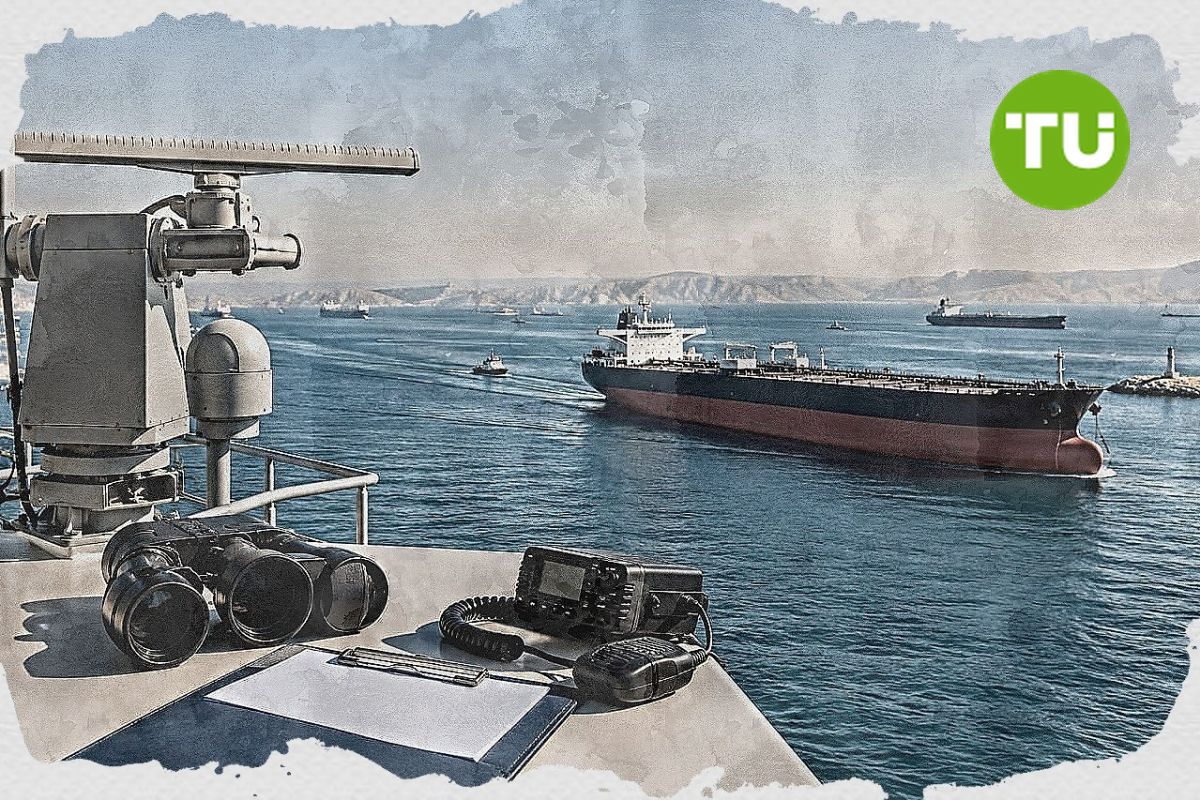
WTI continues to strengthen, trading near $97 per barrel and marking a third consecutive session of gains. The main driver remains a renewed wave of escalation around Iran and ongoing disruptions to shipping through the Strait of Hormuz, a key route for global oil supplies.

The market is increasingly pricing in the risk of supply disruptions, keeping prices near multi-month highs.
Inventory deficit adds support to prices
Fundamental factors are providing additional support to oil prices. According to the latest industry data, U.S. commercial crude inventories declined by approximately 6.8 million barrels, potentially marking the sixth consecutive weekly draw. Amid strong seasonal demand, the market is becoming more concerned about accelerated inventory depletion, especially if logistical constraints in the Middle East persist through June.
Strait of Hormuz remains key uncertainty factor
Despite some signals pointing to a possible resumption of negotiations between the U.S. and Iran, the situation around the Strait of Hormuz remains highly unstable. Recent reports indicate that tanker traffic is still significantly below normal levels, while insurance and transportation costs remain elevated. The International Energy Agency warns that prolonged disruptions could sustain supply deficits and high volatility in the oil market through the end of the year.
Key market scenario
In the coming weeks, market participants will focus on three main factors: developments in the Iran-related conflict, U.S. oil inventory dynamics, and further actions by OPEC+. As long as supply disruption risks persist, the base case assumes that elevated geopolitical risk premiums will remain embedded in prices. However, any progress in negotiations and a gradual normalization of shipping through the Strait of Hormuz could trigger profit-taking and a return to more fundamentally justified levels.
Near-term outlook
In the absence of de-escalation in the Middle East, WTI may continue rising toward $100, where some profit-taking on long positions is likely. Any announcements signaling progress in negotiations between the U.S. and Iran and/or Israel and Lebanon, as noted in the article WTI pulls back after rally as traders take profits on de-escalation signals, could trigger a decline in WTI toward the $91–90 range.





Latest WTI News





-
 Afghanistan
-
 Albania
-
 Algeria
-
 Angola
-
 Argentina
-
 Armenia
-
 Australia
-
 Austria
-
 Azerbaijan
-
 Bahamas
-
 Bahrain
-
 Bangladesh
-
 Belarus
-
 Belgium
-
 Bolivia
-
 Botswana
-
 Brazil
-
 Brunei
-
 Bulgaria
-
 Cambodia
-
 Cameroon
-
 Canada
-
 Chile
Chile
-
 China
China
-
 Colombia
-
 Congo
Congo
-
 Costa Rica
-
 Cote d'Ivoire
-
 Croatia
-
 Cuba
Cuba
-
 Cyprus
-
 Czechia
-
 DR Congo
-
 Denmark
-
 Dominican Republic
-
 Ecuador
-
 Egypt
Egypt
-
 El Salvador
-
 Estonia
-
 Eswatini
-
 Ethiopia
-
 Finland
-
 France
-
 Georgia
-
 Germany
-
 Ghana
Ghana
-
 Greece
-
 Haiti
Haiti
-
 Hong Kong
-
 Hungary
-
 India
India
-
 Indonesia
-
 Iran, Islamic republic
-
 Iraq
Iraq
-
 Ireland
-
 Israel
-
 Italy
Italy
-
 Jamaica
-
 Japan
Japan
-
 Jordan
-
 Kazakhstan
-
 Kenya
Kenya
-
 Korea
Korea
-
 Kuwait
-
 Kyrgyzstan
-
 Laos
Laos
-
 Latvia
-
 Lebanon
-
 Lesotho
-
 Libya
Libya
-
 Lithuania
-
 Luxembourg
-
 Madagascar
-
 Malaysia
-
 Malta
Malta
-
 Mauritius
-
 Mexico
-
 Moldova
-
 Mongolia
-
 Montenegro
-
 Morocco
-
 Mozambique
-
 Myanmar
-
 Namibia
-
 Nepal
Nepal
-
 Netherlands
-
 New Zealand
-
 Nigeria
-
 North Macedonia
-
 Norway
-
 Oman
Oman
-
 Pakistan
-
 Palestine
-
 Panama
-
 Papua New Guinea
-
 Paraguay
-
 Peru
Peru
-
 Philippines
-
 Poland
-
 Portugal
-
 Puerto Rico
-
 Qatar
Qatar
-
 Reunion
-
 Romania
-
 Rwanda
-
 Saudi Arabia
-
 Serbia
-
 Singapore
-
 Slovakia
-
 Slovenia
-
 Somalia
-
 South Africa
-
 Spain
Spain
-
 Sri Lanka
-
 Sweden
-
 Switzerland
-
 Syria
Syria
-
 Taiwan
-
 Tajikistan
-
 Tanzania
-
 Thailand
-
 Trinidad and Tobago
-
 Tunisia
-
 Turkey
-
 UAE
UAE
-
 Uganda
-
 Ukraine
-
 United Kingdom
-
United States
-
 Uruguay
-
 Uzbekistan
-
 Venezuela
-
 Vietnam
-
 Yemen
Yemen
-
 Zambia
-
 Zimbabwe
- Forex
- Crypto











