
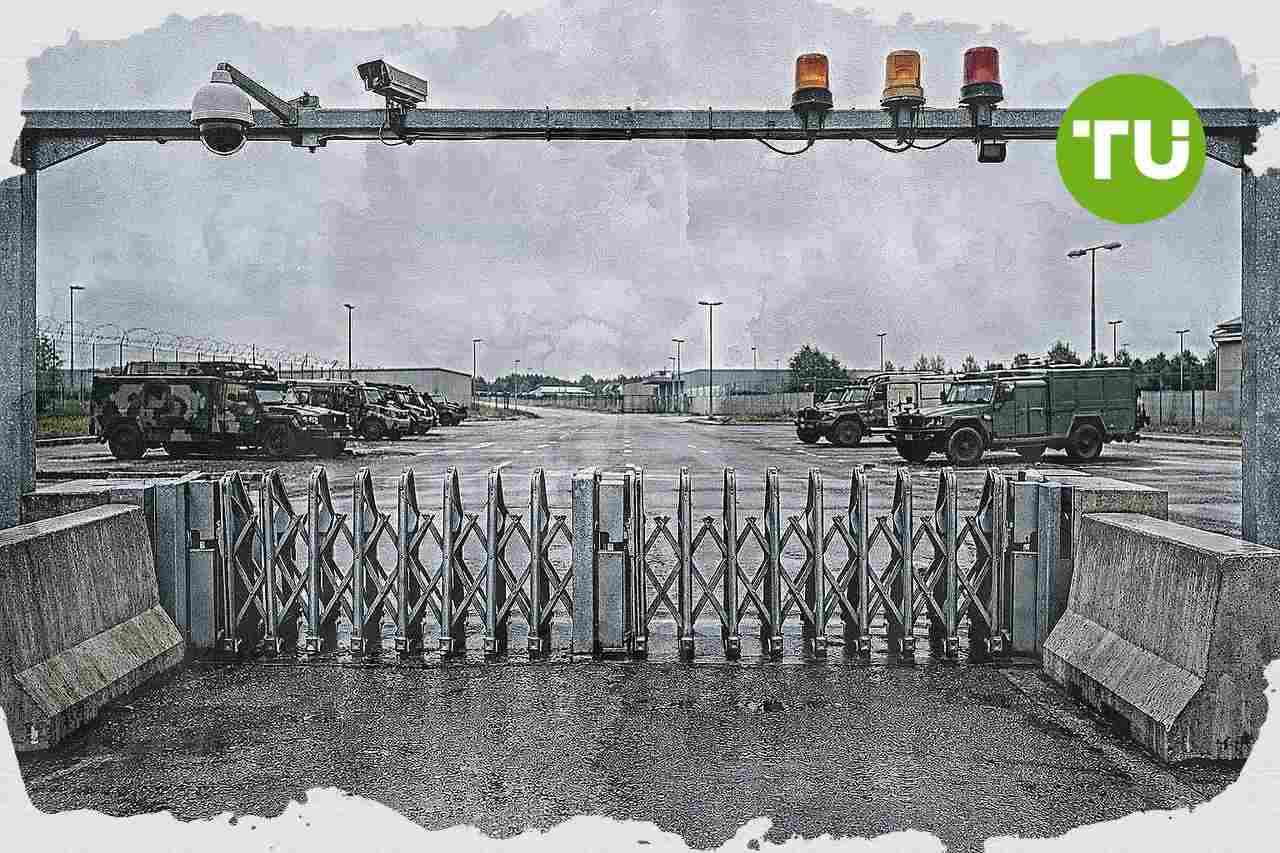
Transatlantic tensions are hardening around competing claims of betrayal, raising the risk that Nato’s future shifts from managed burden-sharing to a lasting rupture. The divide centers on Europe’s alarm over U.S. pressure on Greenland and Washington’s anger over European unwillingness to back its stance on Iran.
Highlights
- Officials on both sides increasingly view Nato as heading toward disintegration, with each side blaming the other for abandonment.
- U.S. frustration centers on Europe's lack of solidarity on Iran and base usage, while Europeans criticize Washington's unilateral actions outside Nato territory.
- The Greenland dispute has driven European capitals to pursue defence frameworks without the U.S., deepening the U.S.-Europe strategic rift and eroding alliance trust.
Competing grievances reshape alliance debate
As reported by Financial Times, officials and analysts on both sides of the Atlantic increasingly describe Nato as moving toward disintegration, with each side building its own account of who abandoned whom first. That dynamic is replacing earlier hopes for a more orderly transition in which European members assume greater defence responsibility while the U.S. redirects resources toward the Indo-Pacific.From the U.S. perspective, the immediate grievance is Europe’s response to Iran. The article says frustration inside the administration, extending beyond Maga into broader conservative foreign policy circles, rests on the view that even if Europeans did not join Washington directly, they still failed to show solidarity, including through resistance to base usage.
For many European officials, that argument is hard to accept because Iran is outside Nato territory and Washington did not consult allies before acting. In that reading, the conflict is becoming a trigger for questioning the alliance over a war Europeans see as unilateral and reckless rather than treaty-based.
Greenland fallout clouds Nato’s next phase
On the European side, the sharper turning point is Greenland. The article portrays U.S. threats to annex Greenland, despite it being part of the territory of a sovereign ally, as the moment many European capitals began planning more seriously for a defence framework that works without the U.S.That interpretation is not widely shared in Washington, where officials and some business figures are said to dismiss the Greenland episode as overheated rhetoric. The result is a widening gap in strategic perception, with Europeans treating the issue as a fundamental breach of trust and Americans viewing Europe’s reaction as excessive.
The broader business and policy implication is that Nato’s strain is no longer only about force levels or spending burdens, but about the narrative governing the split itself. If the U.S. and Europe continue to explain their estrangement through rival myths of betrayal, the alliance may struggle to rebuild even if military co-operation remains formally intact.
Our earlier article on the diplomatic clash between Giorgia Meloni and Donald Trump after the G7 summit described how Trump’s remarks triggered a sharp response from Rome, including Foreign Minister Antonio Tajani cancelling a planned trip to the U.S. We noted that the episode fed into a broader deterioration in U.S.-Italy relations, already strained by disagreements over Iran, Ukraine, Gaza, and trade.




Latest Europe News








-
 Afghanistan
-
 Albania
-
 Algeria
-
 Angola
-
 Argentina
-
 Armenia
-
 Australia
-
 Austria
-
 Azerbaijan
-
 Bahamas
-
 Bahrain
-
 Bangladesh
-
 Belarus
-
 Belgium
-
 Bolivia
-
 Botswana
-
 Brazil
-
 Brunei
-
 Bulgaria
-
 Cambodia
-
 Cameroon
-
 Canada
-
 Chile
Chile
-
 China
China
-
 Colombia
-
 Congo
Congo
-
 Costa Rica
-
 Cote d'Ivoire
-
 Croatia
-
 Cuba
Cuba
-
 Cyprus
-
 Czechia
-
 DR Congo
-
 Denmark
-
 Dominican Republic
-
 Ecuador
-
 Egypt
Egypt
-
 El Salvador
-
 Estonia
-
 Eswatini
-
 Ethiopia
-
 Finland
-
 France
-
 Georgia
-
 Germany
-
 Ghana
Ghana
-
 Greece
-
 Haiti
Haiti
-
 Hong Kong
-
 Hungary
-
 India
India
-
 Indonesia
-
 Iran, Islamic republic
-
 Iraq
Iraq
-
 Ireland
-
 Israel
-
 Italy
Italy
-
 Jamaica
-
 Japan
Japan
-
 Jordan
-
 Kazakhstan
-
 Kenya
Kenya
-
 Korea
Korea
-
 Kuwait
-
 Kyrgyzstan
-
 Laos
Laos
-
 Latvia
-
 Lebanon
-
 Lesotho
-
 Libya
Libya
-
 Lithuania
-
 Luxembourg
-
 Madagascar
-
 Malaysia
-
 Malta
Malta
-
 Mauritius
-
 Mexico
-
 Moldova
-
 Mongolia
-
 Montenegro
-
 Morocco
-
 Mozambique
-
 Myanmar
-
 Namibia
-
 Nepal
Nepal
-
 Netherlands
-
 New Zealand
-
 Nigeria
-
 North Macedonia
-
 Norway
-
 Oman
Oman
-
 Pakistan
-
 Palestine
-
 Panama
-
 Papua New Guinea
-
 Paraguay
-
 Peru
Peru
-
 Philippines
-
 Poland
-
 Portugal
-
 Puerto Rico
-
 Qatar
Qatar
-
 Reunion
-
 Romania
-
 Rwanda
-
 Saudi Arabia
-
 Serbia
-
 Singapore
-
 Slovakia
-
 Slovenia
-
 Somalia
-
 South Africa
-
 Spain
Spain
-
 Sri Lanka
-
 Sweden
-
 Switzerland
-
 Syria
Syria
-
 Taiwan
-
 Tajikistan
-
 Tanzania
-
 Thailand
-
 Trinidad and Tobago
-
 Tunisia
-
 Turkey
-
 UAE
UAE
-
 Uganda
-
 Ukraine
-
 United Kingdom
-
United States
-
 Uruguay
-
 Uzbekistan
-
 Venezuela
-
 Vietnam
-
 Yemen
Yemen
-
 Zambia
-
 Zimbabwe
- Forex
- Crypto












