


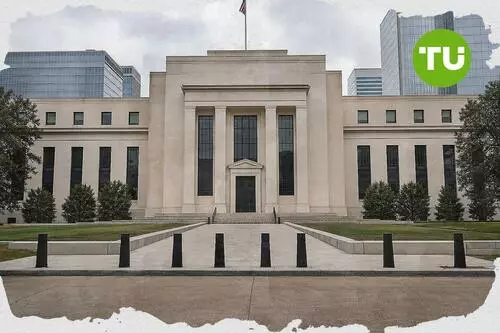
A shift in how the Federal Reserve signals its policy path is raising concerns across bond markets as Chair Kevin Warsh begins reshaping central bank communications. Investors say the reduced visibility on future interest rates could increase Treasury volatility and push borrowing costs higher across the U.S. economy.
Highlights
- Fed chair Warsh announced removal of key forward guidance elements, including personal dot plot projections, signaling a potential future rollback of the dot plot altogether.
- Reduced Fed transparency is driving higher risk premiums and volatility, with the 10-year Treasury yield up 0.5 percentage points and two-year yield at 4.22%, a one-year high.
- Investors and macro funds anticipate higher bond yields and increased market volatility as less guidance could tighten financial conditions and amplify policy surprises.
Warsh resets Fed communication tools
As reported by Financial Times, Warsh said at his first meeting as Fed chair on Wednesday that the central bank is entering a new phase in which parts of its forward guidance are being removed. In the Federal Open Market Committee statement, policymakers dropped a longstanding indication of whether they leaned toward easing or tightening in coming months, and Warsh also withheld his own dot plot projection for interest rates this year and next.Investors say that move reduces the market value of the dot plot even though the other 18 officials still submitted their forecasts. Warsh says markets have become too dependent on central bank guidance, creating an echo chamber in which asset prices reflect Fed views rather than independent investor judgment.
He also signals that the changes are unlikely to stop there. A task force is being set up to review further adjustments, raising the possibility that the Fed could eventually scrap dot plots altogether.
Treasury market faces higher volatility
Large investors warn that less transparency means more uncertainty around rate decisions, which could force traders to demand a higher premium for holding U.S. government debt. Bob Michele of JPMorgan Asset Management says reduced transparency brings more guesswork, event risk and volatility, while BNP Paribas strategist Calvin Tse says markets are now more exposed to surprises and should price in higher risk premiums.The benchmark 10-year Treasury yield has risen 0.5 percentage points since the start of the Iran war on expectations of higher inflation and rates, while the two-year yield has climbed to 4.22%, its highest level in more than a year after the Fed's hawkish tilt this week. Some investors say a larger premium has not yet fully appeared because Warsh's broader communication changes are still being reviewed, but Pimco economist Tiffany Wilding expects notable shifts including fewer press conferences, less prescriptive messaging and greater willingness to surprise bond markets.
Forward guidance became a major tool after the global financial crisis, when rates were near zero and central banks sought to influence longer-term borrowing costs. Some investors now argue that with interest rates much higher, less guidance could actually help the Fed by tightening financial conditions, lifting bond yields and making leverage more expensive for companies and households.
That view is also attracting macro hedge funds, which see an opportunity if policy decisions become less telegraphed. BlackRock's Rick Rieder says central banks benefit from an imbalance of power over markets, while Graham Capital economist Kelly Tropin Whitridge says a Fed that manages the market less could create structurally higher volatility and increase trading opportunities at the front end of the rates market.
In our earlier report, we covered Kevin Warsh launching a sweeping Federal Reserve review, setting up five task forces to reassess communications, inflation analysis, data and technology tools, and the central bank’s balance sheet. We also noted early signals of a communications reset, including stripping forward guidance from the post-meeting statement and raising the prospect of deeper changes such as revising news conference formats and potentially ending the dot plot.





Latest Fed News





-
 Afghanistan
-
 Albania
-
 Algeria
-
 Angola
-
 Argentina
-
 Armenia
-
 Australia
-
 Austria
-
 Azerbaijan
-
 Bahamas
-
 Bahrain
-
 Bangladesh
-
 Belarus
-
 Belgium
-
 Bolivia
-
 Botswana
-
 Brazil
-
 Brunei
-
 Bulgaria
-
 Cambodia
-
 Cameroon
-
 Canada
-
 Chile
Chile
-
 China
China
-
 Colombia
-
 Congo
Congo
-
 Costa Rica
-
 Cote d'Ivoire
-
 Croatia
-
 Cuba
Cuba
-
 Cyprus
-
 Czechia
-
 DR Congo
-
 Denmark
-
 Dominican Republic
-
 Ecuador
-
 Egypt
Egypt
-
 El Salvador
-
 Estonia
-
 Eswatini
-
 Ethiopia
-
 Finland
-
 France
-
 Georgia
-
 Germany
-
 Ghana
Ghana
-
 Greece
-
 Haiti
Haiti
-
 Hong Kong
-
 Hungary
-
 India
India
-
 Indonesia
-
 Iran, Islamic republic
-
 Iraq
Iraq
-
 Ireland
-
 Israel
-
 Italy
Italy
-
 Jamaica
-
 Japan
Japan
-
 Jordan
-
 Kazakhstan
-
 Kenya
Kenya
-
 Korea
Korea
-
 Kuwait
-
 Kyrgyzstan
-
 Laos
Laos
-
 Latvia
-
 Lebanon
-
 Lesotho
-
 Libya
Libya
-
 Lithuania
-
 Luxembourg
-
 Madagascar
-
 Malaysia
-
 Malta
Malta
-
 Mauritius
-
 Mexico
-
 Moldova
-
 Mongolia
-
 Montenegro
-
 Morocco
-
 Mozambique
-
 Myanmar
-
 Namibia
-
 Nepal
Nepal
-
 Netherlands
-
 New Zealand
-
 Nigeria
-
 North Macedonia
-
 Norway
-
 Oman
Oman
-
 Pakistan
-
 Palestine
-
 Panama
-
 Papua New Guinea
-
 Paraguay
-
 Peru
Peru
-
 Philippines
-
 Poland
-
 Portugal
-
 Puerto Rico
-
 Qatar
Qatar
-
 Reunion
-
 Romania
-
 Rwanda
-
 Saudi Arabia
-
 Serbia
-
 Singapore
-
 Slovakia
-
 Slovenia
-
 Somalia
-
 South Africa
-
 Spain
Spain
-
 Sri Lanka
-
 Sweden
-
 Switzerland
-
 Syria
Syria
-
 Taiwan
-
 Tajikistan
-
 Tanzania
-
 Thailand
-
 Trinidad and Tobago
-
 Tunisia
-
 Turkey
-
 UAE
UAE
-
 Uganda
-
 Ukraine
-
 United Kingdom
-
United States
-
 Uruguay
-
 Uzbekistan
-
 Venezuela
-
 Vietnam
-
 Yemen
Yemen
-
 Zambia
-
 Zimbabwe
- Forex
- Crypto












