
House Energy panel advances bills aimed at limiting electricity cost pressures
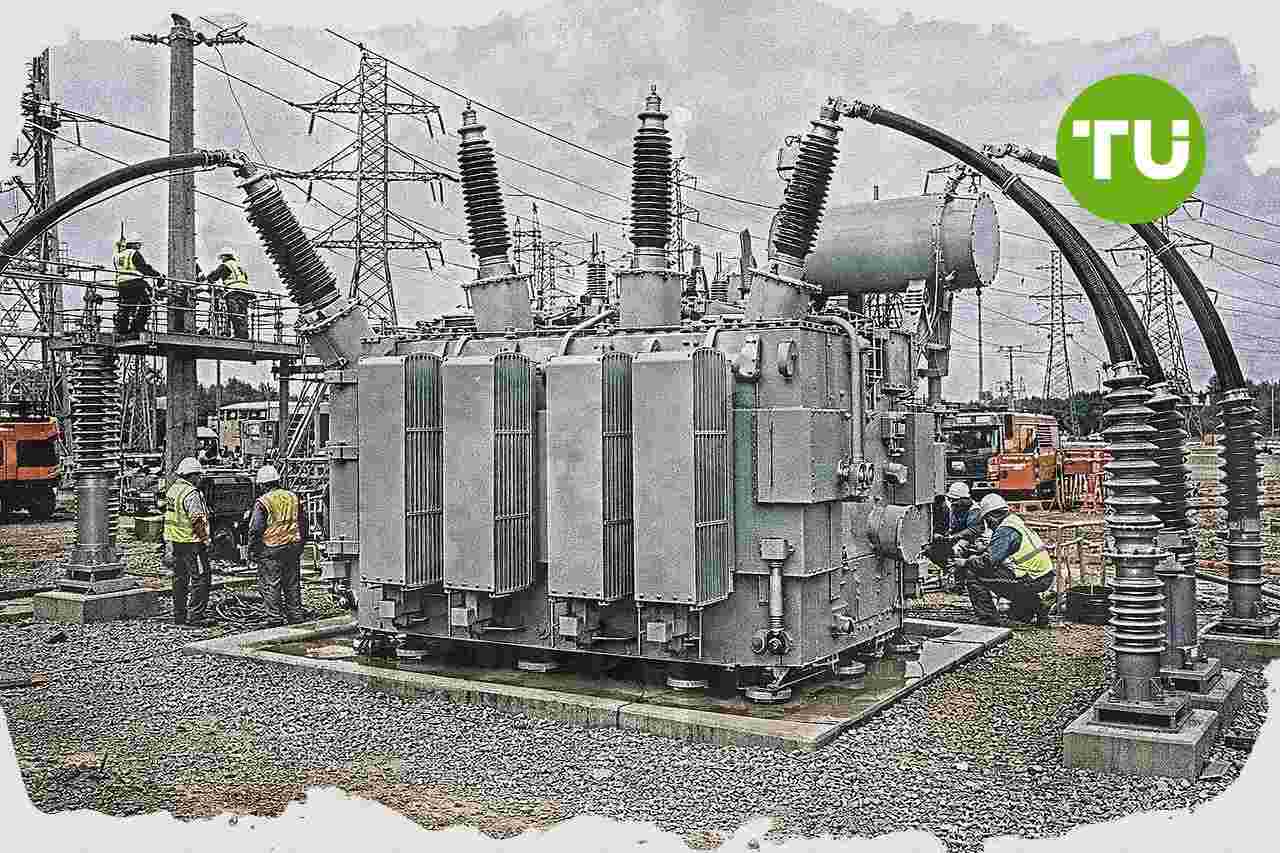
U.S. lawmakers are reviewing a package of eight energy bills as power demand, grid reliability concerns and AI-related electricity use move higher on the policy agenda. The measures discussed at a House subcommittee markup focus on shielding household ratepayers, expanding grid capacity and updating pipeline safety oversight.
Highlights
- H.R. 9340, the Ratepayer Protection Act, would require state utility commissions to create large-load tariffs to shield residential customers from rapid load growth costs.
- H.R. 6633, H.R. 9335, and H.R. 9332 target improved grid capacity, advanced transmission technologies, and better load forecasting through expanded Department of Energy support and federal-state cooperation.
- H.R. 9339 and H.R. 6529 address rising AI-driven electricity demand by promoting efficiency studies and preserving state authority on retail rates, while H.R. 9338 renews PHMSA pipeline safety oversight for five years.
Markup agenda centers on grid costs and capacity
As reported by the House Committee on Energy and Commerce, Subcommittee on Energy Chairman Bob Latta opened the markup by saying the legislation is designed to lower household costs, support innovation in the electric sector and strengthen the U.S. position in AI development amid competition with China.Latta said the package follows an extended legislative process with public input and technical assistance. He framed the effort around three pressures, grid reliability risks, affordability strains on households and the need for the electric sector to support the next generation economy.
Among the bills, H.R. 9340, the Ratepayer Protection Act, seeks to prevent costs tied to rapid load growth from being shifted onto captive ratepayers. Latta said the measure would direct state utility commissions to establish large-load tariffs so investment in high-demand industries can continue without placing added burdens on residential customers.
He also highlighted H.R. 6633, the High Capacity Grid Act, which would support deployment of advanced conductors with higher carrying capacity, and H.R. 9335, the Advanced Transmission to Reduce Rates Act, which would expand Department of Energy work on grid technologies and ease utility adoption. H.R. 9332, the Load Forecasting Enhancement Act, would encourage federal and state cooperation to improve demand forecasts and support more cost-effective infrastructure planning.
AI power demand and pipeline oversight shape broader impact
Latta said policymakers need to address both the effect of AI on electricity demand and the potential for AI tools to improve grid operations. H.R. 9339, the Affordable Innovation for the Grid Act, would direct the Department of Energy to study how computational models can improve system efficiency.The subcommittee is also considering H.R. 6529, the Protecting Families from AI Data Center Energy Costs Act, with revisions that Latta said preserve the role of states in setting retail electric rates. In addition, H.R. 9338, the Pipeline Safety Authorization Act, would renew PHMSA's pipeline safety program for five years while refocusing the agency on its core safety mission and making regulatory changes intended to improve efficiency without weakening protections.
Latta added that work continues on H.R. 2986, the Expediting Generator Interconnection Procedures Act, saying further changes are needed to address current interconnection challenges and reflect regional differences. He described the broader markup as a step toward reinforcing American energy dominance while protecting consumers from higher electricity prices.
Our earlier coverage of H.R. 9250 focused on House lawmakers advancing a five-year renewal of the Legacy Restoration Fund to direct about $1.9 billion annually to deferred maintenance across national parks, public lands and Bureau of Indian Education facilities. The bill’s funding mix includes private donations, energy revenues, licensing and new foreign visitor fees, with supporters arguing it would improve recreation infrastructure and boost jobs and revenue for rural and tribal gateway communities.




Latest Legislation News









-
 Afghanistan
-
 Albania
-
 Algeria
-
 Angola
-
 Argentina
-
 Armenia
-
 Australia
-
 Austria
-
 Azerbaijan
-
 Bahamas
-
 Bahrain
-
 Bangladesh
-
 Belarus
-
 Belgium
-
 Bolivia
-
 Botswana
-
 Brazil
-
 Brunei
-
 Bulgaria
-
 Cambodia
-
 Cameroon
-
 Canada
-
 Chile
Chile
-
 China
China
-
 Colombia
-
 Congo
Congo
-
 Costa Rica
-
 Cote d'Ivoire
-
 Croatia
-
 Cuba
Cuba
-
 Cyprus
-
 Czechia
-
 DR Congo
-
 Denmark
-
 Dominican Republic
-
 Ecuador
-
 Egypt
Egypt
-
 El Salvador
-
 Estonia
-
 Eswatini
-
 Ethiopia
-
 Finland
-
 France
-
 Georgia
-
 Germany
-
 Ghana
Ghana
-
 Greece
-
 Haiti
Haiti
-
 Hong Kong
-
 Hungary
-
 India
India
-
 Indonesia
-
 Iran, Islamic republic
-
 Iraq
Iraq
-
 Ireland
-
 Israel
-
 Italy
Italy
-
 Jamaica
-
 Japan
Japan
-
 Jordan
-
 Kazakhstan
-
 Kenya
Kenya
-
 Korea
Korea
-
 Kuwait
-
 Kyrgyzstan
-
 Laos
Laos
-
 Latvia
-
 Lebanon
-
 Lesotho
-
 Libya
Libya
-
 Lithuania
-
 Luxembourg
-
 Madagascar
-
 Malaysia
-
 Malta
Malta
-
 Mauritius
-
 Mexico
-
 Moldova
-
 Mongolia
-
 Montenegro
-
 Morocco
-
 Mozambique
-
 Myanmar
-
 Namibia
-
 Nepal
Nepal
-
 Netherlands
-
 New Zealand
-
 Nigeria
-
 North Macedonia
-
 Norway
-
 Oman
Oman
-
 Pakistan
-
 Palestine
-
 Panama
-
 Papua New Guinea
-
 Paraguay
-
 Peru
Peru
-
 Philippines
-
 Poland
-
 Portugal
-
 Puerto Rico
-
 Qatar
Qatar
-
 Reunion
-
 Romania
-
 Rwanda
-
 Saudi Arabia
-
 Serbia
-
 Singapore
-
 Slovakia
-
 Slovenia
-
 Somalia
-
 South Africa
-
 Spain
Spain
-
 Sri Lanka
-
 Sweden
-
 Switzerland
-
 Syria
Syria
-
 Taiwan
-
 Tajikistan
-
 Tanzania
-
 Thailand
-
 Trinidad and Tobago
-
 Tunisia
-
 Turkey
-
 UAE
UAE
-
 Uganda
-
 Ukraine
-
 United Kingdom
-
United States
-
 Uruguay
-
 Uzbekistan
-
 Venezuela
-
 Vietnam
-
 Yemen
Yemen
-
 Zambia
-
 Zimbabwe
- Forex
- Crypto











