
Oil market slips despite lingering risks around Iran deal
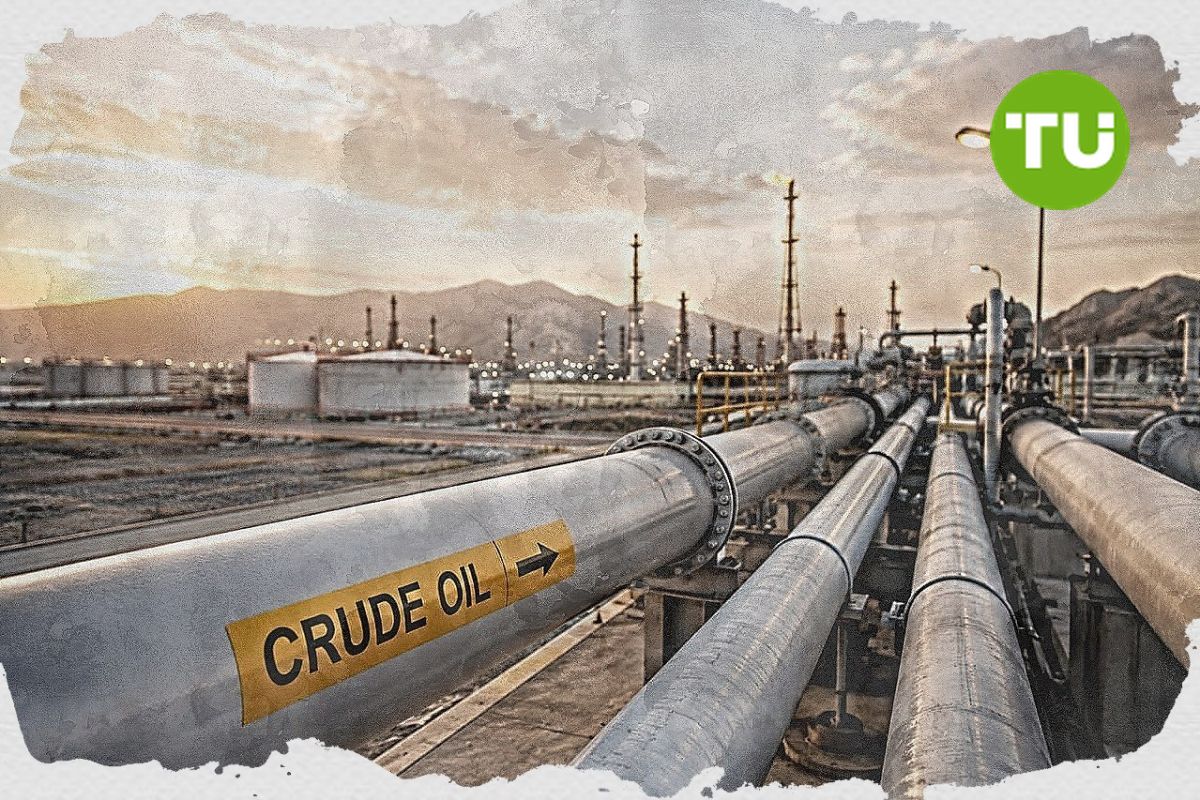
Oil prices slipped on Tuesday as investors looked past the initial relief from U.S.-Iran peace talks and waited for firmer signs that crude shipments through the Strait of Hormuz were returning to normal. The market remained focused on whether a fragile diplomatic opening could keep one of the world’s most important oil corridors open.
Highlights
- Brent fell to $76.76. WTI slipped to $72.74.
- Hormuz tanker traffic is recovering.
- The U.S. gave Iran a 60-day sanctions waiver.
- Traders remain cautious on the U.S.-Iran deal.
Prices fall as risk premium eases
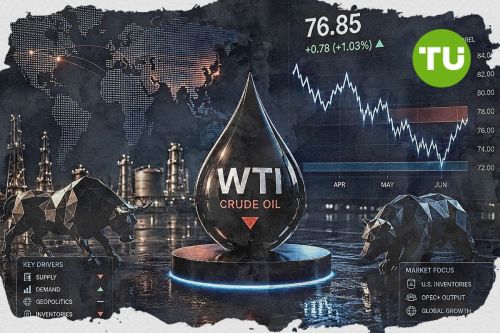
Brent crude futures fell 1.85% to $76.76 a barrel. U.S. West Texas Intermediate (WTI) crude declined 1.74% to $72.74 a barrel. The move extended Monday’s losses, when prices dropped more than 3% after Washington granted Iran a 60-day sanctions waiver and reports pointed to a pause in fighting in Lebanon, Reuters reports.
The waiver allows Iran to sell oil and related products on international markets during the negotiation period. That gives Tehran near-term economic relief while the two sides try to turn last week’s memorandum of understanding into a longer-term settlement. AP and Guardian also reported that the talks included efforts to reopen the Strait of Hormuz, restore nuclear inspections, and manage frozen Iranian assets.
For oil traders, the immediate question is physical flow. Ship-tracking data showed two crude tankers carrying just under 2 million barrels passed through the Strait of Hormuz on Monday, suggesting traffic had begun to recover after weaker flows on Sunday.
Diplomacy helps, but doubts remain
Analysts said the market was treating tanker movements as a signal of both supply recovery and diplomatic progress. ING analysts said the gradual increase in oil flows through Hormuz continued to weigh on prices. Sparta Commodities’ Neil Crosby said the market was likely to stay in a bearish, risk-off mood until there was a clear change in the outlook.
Still, skepticism has not disappeared. President Donald Trump has warned that he would act if Iran failed to honor the agreement, while Iranian officials disputed U.S. Vice President JD Vance’s claim that Tehran had agreed to allow nuclear inspectors back into the country. Iran says its nuclear program is peaceful.
Supply risk still drives the market
The Strait of Hormuz remains the central risk for crude prices. Any disruption there can quickly affect global supply expectations, insurance costs, and tanker routing. For now, recovering traffic and sanctions relief are pushing prices lower, but the decline is fragile.
U.S. inventory data could add another layer of pressure. Government data also showed the Strategic Petroleum Reserve at 331.2 million barrels, its lowest level since June 1983, leaving less room for a major supply shock.
As we previously reported, IEA warns of weaker oil demand and supply surplus by 2027.








-
 Afghanistan
-
 Albania
-
 Algeria
-
 Angola
-
 Argentina
-
 Armenia
-
 Australia
-
 Austria
-
 Azerbaijan
-
 Bahamas
-
 Bahrain
-
 Bangladesh
-
 Belarus
-
 Belgium
-
 Bolivia
-
 Botswana
-
 Brazil
-
 Brunei
-
 Bulgaria
-
 Cambodia
-
 Cameroon
-
 Canada
-
 Chile
Chile
-
 China
China
-
 Colombia
-
 Congo
Congo
-
 Costa Rica
-
 Cote d'Ivoire
-
 Croatia
-
 Cuba
Cuba
-
 Cyprus
-
 Czechia
-
 DR Congo
-
 Denmark
-
 Dominican Republic
-
 Ecuador
-
 Egypt
Egypt
-
 El Salvador
-
 Estonia
-
 Eswatini
-
 Ethiopia
-
 Finland
-
 France
-
 Georgia
-
 Germany
-
 Ghana
Ghana
-
 Greece
-
 Haiti
Haiti
-
 Hong Kong
-
 Hungary
-
 India
India
-
 Indonesia
-
 Iran, Islamic republic
-
 Iraq
Iraq
-
 Ireland
-
 Israel
-
 Italy
Italy
-
 Jamaica
-
 Japan
Japan
-
 Jordan
-
 Kazakhstan
-
 Kenya
Kenya
-
 Korea
Korea
-
 Kuwait
-
 Kyrgyzstan
-
 Laos
Laos
-
 Latvia
-
 Lebanon
-
 Lesotho
-
 Libya
Libya
-
 Lithuania
-
 Luxembourg
-
 Madagascar
-
 Malaysia
-
 Malta
Malta
-
 Mauritius
-
 Mexico
-
 Moldova
-
 Mongolia
-
 Montenegro
-
 Morocco
-
 Mozambique
-
 Myanmar
-
 Namibia
-
 Nepal
Nepal
-
 Netherlands
-
 New Zealand
-
 Nigeria
-
 North Macedonia
-
 Norway
-
 Oman
Oman
-
 Pakistan
-
 Palestine
-
 Panama
-
 Papua New Guinea
-
 Paraguay
-
 Peru
Peru
-
 Philippines
-
 Poland
-
 Portugal
-
 Puerto Rico
-
 Qatar
Qatar
-
 Reunion
-
 Romania
-
 Rwanda
-
 Saudi Arabia
-
 Serbia
-
 Singapore
-
 Slovakia
-
 Slovenia
-
 Somalia
-
 South Africa
-
 Spain
Spain
-
 Sri Lanka
-
 Sweden
-
 Switzerland
-
 Syria
Syria
-
 Taiwan
-
 Tajikistan
-
 Tanzania
-
 Thailand
-
 Trinidad and Tobago
-
 Tunisia
-
 Turkey
-
 UAE
UAE
-
 Uganda
-
 Ukraine
-
 United Kingdom
-
United States
-
 Uruguay
-
 Uzbekistan
-
 Venezuela
-
 Vietnam
-
 Yemen
Yemen
-
 Zambia
-
 Zimbabwe
- Forex
- Crypto











