
U.S. Treasury discusses Iran sanctions, Ukraine reconstruction with European Commission

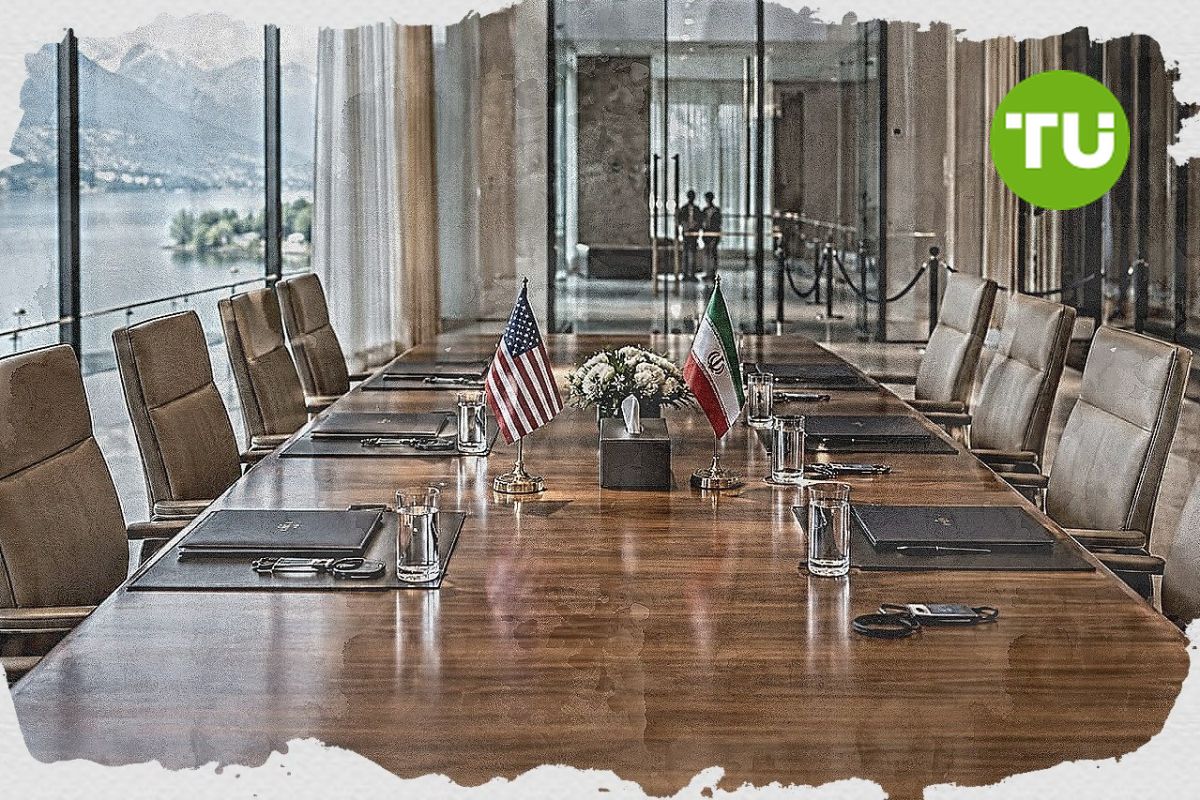
Washington intensifies its economic and diplomatic coordination with Europe as tensions around Iran and Ukraine remain central to transatlantic policy. Treasury Secretary Scott Bessent meets European Commissioner for Economy and Productivity Valdis Dombrovskis to review sanctions pressure on Iran, macroeconomic outlooks and strategic supply chain priorities.
Highlights
- U.S. Treasury Secretary Bessent and EU Trade Commissioner Dombrovskis discuss maximizing economic sanctions on Iran as part of coordinated transatlantic pressure.
- Talks address fiscal and monetary policy stances, signaling efforts to align U.S. and European positions amid ongoing geopolitical and economic uncertainty.
- Officials emphasize securing critical minerals supply chains and reaffirm U.S. support for Ukraine's reconstruction in partnership with Europe and the IMF.
Transatlantic agenda spans sanctions and economic policy
As reported by the U.S. Department of the Treasury, Bessent and Dombrovskis discuss the conflict in Iran, with the Treasury secretary highlighting actions taken by the department to apply maximum economic force against the Iranian regime through Economic Fury.The meeting also covers their respective fiscal and monetary policy outlooks, indicating a broader effort to align U.S. and European views on economic conditions and policy direction during a period of geopolitical uncertainty.Focus extends to minerals and Ukraine rebuilding
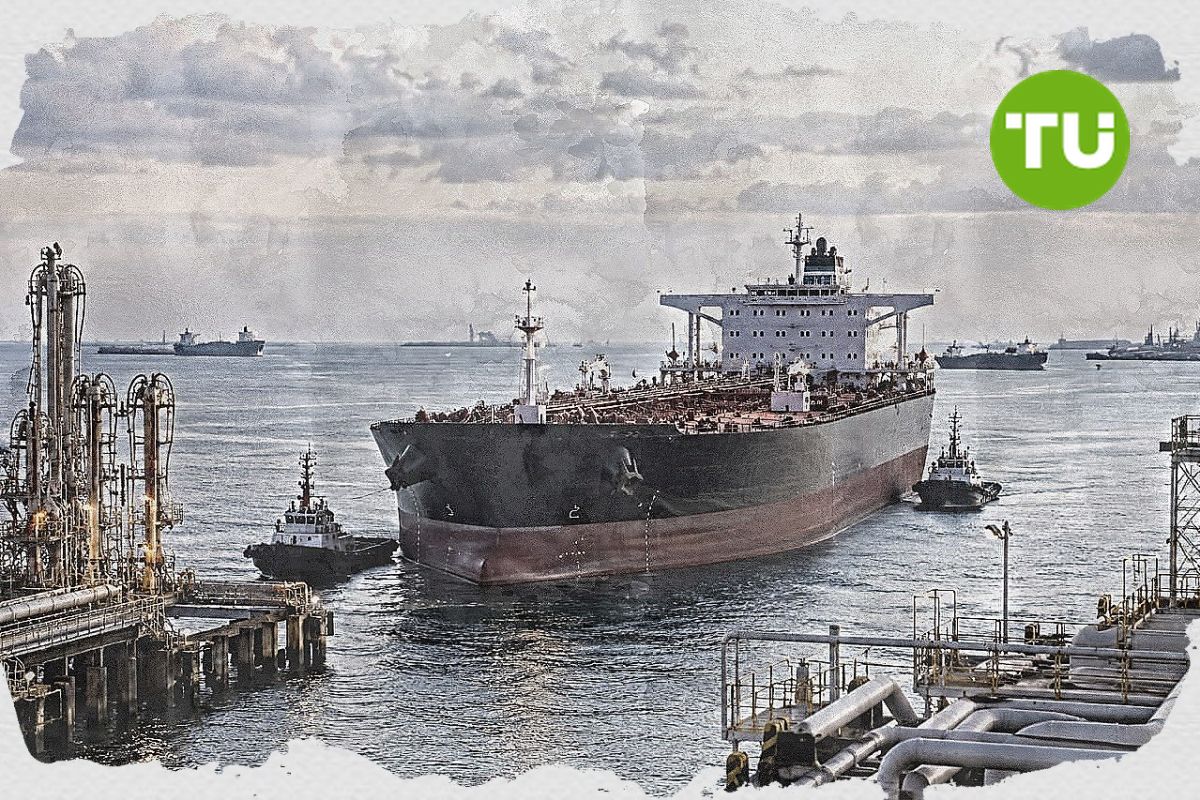
The two officials also discuss the importance of critical minerals supply chains, an issue tied to industrial resilience, energy transition goals and strategic competition. The topic remains significant for both the U.S. and Europe as governments seek to reduce vulnerabilities in essential inputs.Bessent reiterates the United States' commitment to working with Europe, the International Monetary Fund and other key stakeholders toward the reconstruction of Ukraine. That positions the Treasury dialogue within a wider financing and coordination framework for long-term recovery planning.In our earlier article on U.S. Treasury sanctions targeting Iran-linked oil shipping networks, we covered OFAC’s move to designate more than two dozen individuals, companies and vessels tied to masked petroleum transport and an oil-for-gold laundering channel. We also noted the compliance and secondary-sanctions risks Treasury flagged for banks, traders and service providers that continue facilitating Tehran’s illicit oil trade or related financing activity.




Latest Government News





-
 Afghanistan
-
 Albania
-
 Algeria
-
 Angola
-
 Argentina
-
 Armenia
-
 Australia
-
 Austria
-
 Azerbaijan
-
 Bahamas
-
 Bahrain
-
 Bangladesh
-
 Belarus
-
 Belgium
-
 Bolivia
-
 Botswana
-
 Brazil
-
 Brunei
-
 Bulgaria
-
 Cambodia
-
 Cameroon
-
 Canada
-
 Chile
Chile
-
 China
China
-
 Colombia
-
 Congo
Congo
-
 Costa Rica
-
 Cote d'Ivoire
-
 Croatia
-
 Cuba
Cuba
-
 Cyprus
-
 Czechia
-
 DR Congo
-
 Denmark
-
 Dominican Republic
-
 Ecuador
-
 Egypt
Egypt
-
 El Salvador
-
 Estonia
-
 Eswatini
-
 Ethiopia
-
 Finland
-
 France
-
 Georgia
-
 Germany
-
 Ghana
Ghana
-
 Greece
-
 Haiti
Haiti
-
 Hong Kong
-
 Hungary
-
 India
India
-
 Indonesia
-
 Iran, Islamic republic
-
 Iraq
Iraq
-
 Ireland
-
 Israel
-
 Italy
Italy
-
 Jamaica
-
 Japan
Japan
-
 Jordan
-
 Kazakhstan
-
 Kenya
Kenya
-
 Korea
Korea
-
 Kuwait
-
 Kyrgyzstan
-
 Laos
Laos
-
 Latvia
-
 Lebanon
-
 Lesotho
-
 Libya
Libya
-
 Lithuania
-
 Luxembourg
-
 Madagascar
-
 Malaysia
-
 Malta
Malta
-
 Mauritius
-
 Mexico
-
 Moldova
-
 Mongolia
-
 Montenegro
-
 Morocco
-
 Mozambique
-
 Myanmar
-
 Namibia
-
 Nepal
Nepal
-
 Netherlands
-
 New Zealand
-
 Nigeria
-
 North Macedonia
-
 Norway
-
 Oman
Oman
-
 Pakistan
-
 Palestine
-
 Panama
-
 Papua New Guinea
-
 Paraguay
-
 Peru
Peru
-
 Philippines
-
 Poland
-
 Portugal
-
 Puerto Rico
-
 Qatar
Qatar
-
 Reunion
-
 Romania
-
 Rwanda
-
 Saudi Arabia
-
 Serbia
-
 Singapore
-
 Slovakia
-
 Slovenia
-
 Somalia
-
 South Africa
-
 Spain
Spain
-
 Sri Lanka
-
 Sweden
-
 Switzerland
-
 Syria
Syria
-
 Taiwan
-
 Tajikistan
-
 Tanzania
-
 Thailand
-
 Trinidad and Tobago
-
 Tunisia
-
 Turkey
-
 UAE
UAE
-
 Uganda
-
 Ukraine
-
 United Kingdom
-
United States
-
 Uruguay
-
 Uzbekistan
-
 Venezuela
-
 Vietnam
-
 Yemen
Yemen
-
 Zambia
-
 Zimbabwe
- Forex
- Crypto












