
Ferrari valuation outpaces European carmakers as EV shift pressures mass-market rivals
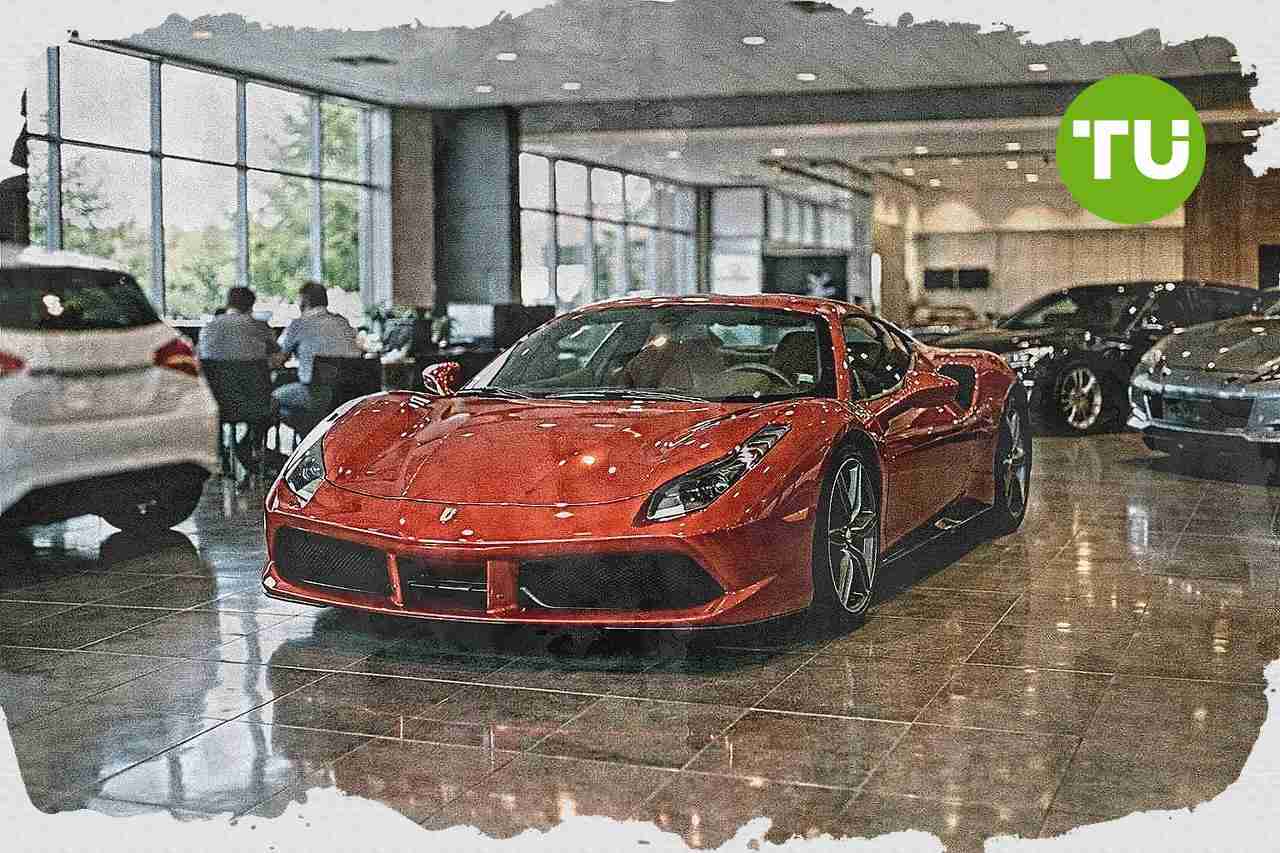
Europe’s shift toward electric vehicles is reshaping investor views of carmakers, widening the gap between luxury brands and mass-market manufacturers. Ferrari now carries a higher market value than Volkswagen despite producing a fraction of its vehicles, as fears over Chinese EV competition weigh more heavily on larger-volume peers.
Highlights
- Ferrari’s market value has surged 71 per cent to about 57 billion euros, surpassing Volkswagen which fell 59 per cent to 51 billion euros, highlighting divergent impacts of the EV transition.
- International Energy Agency forecasts global EV sales to reach 23 million in 2024, with Chinese manufacturers commanding 60 per cent of the market versus 15 per cent for both European and North American rivals.
- Ferrari lowered its EV output target to 20 per cent by 2030 from 40 per cent, after a negative reception to its €550,000 Luce model and softer sales in China, while benefiting from luxury demand growth and regulatory leniency.
Valuation gap widens as EV market expands
As reported by Financial Times, Ferrari’s rise above Volkswagen in market value underscores how the transition to electric cars is affecting European automakers unevenly. Ferrari’s valuation has climbed 71 per cent in recent years to about 57 billion euros, while Volkswagen’s has fallen 59 per cent to 51 billion euros and Stellantis has dropped 57 per cent to 21 billion euros.The contrast comes as global EV sales continue to grow and the traditional combustion-engine market remains in structural decline since 2017. The International Energy Agency projects EV sales of 23 million this year, up from 20 million last year, with Chinese carmakers accounting for 60 per cent of global EV sales, compared with 15 per cent each for European and North American producers.
A study by Rhodium Group says Chinese manufacturers benefit not only from state support but also from deep vertical integration across the low-carbon technology supply chain. That cost advantage leaves Western carmakers facing difficult choices, including deeper investment in China, lower costs and possible job cuts at home, even as the EU tries to shield domestic production with targeted tariffs and proposed local-content rules for EV subsidies.
Luxury positioning softens pressure on Ferrari
Luxury brands are less exposed to direct price competition because their customers are buying exclusivity, image and performance rather than basic transport. That helps explain why Ferrari and similar marques are in a stronger position than mass-market automakers that must convince investors they can match Chinese rivals on cost and quality.The distinction is becoming more important as global wealth concentration increases. Forbes data cited by the Financial Times shows the number of billionaires has risen 64 per cent since 2020 to more than 3,400, supporting the customer base for ultra-high-end manufacturers.
Ferrari still faces risks, including softer sales in China and a negative initial public response to the Luce, its first electric model, unveiled this week at a price of 550,000 euros. The company has also cut its EV sales target to 20 per cent of output by 2030 from an earlier 40 per cent goal, while other luxury brands are following mixed strategies, with Jaguar going fully electric and Lamborghini shifting toward plug-in hybrids instead of a fully electric model.
Even if demand for electric supercars develops more slowly, low-volume luxury manufacturers may still be cushioned by slower erosion in combustion-engine demand and by softer EU treatment for producers selling fewer than 10,000 vehicles annually in the bloc. That leaves Ferrari in a comparatively strong position, even after a volatile week for its shares.
Our earlier coverage of the European Commission’s policy debate outlined plans to curb strategic dependence on Chinese inputs by pushing supply-chain diversification and expanding trade tools across sectors such as metals, chemicals and clean technology ahead of the June EU leaders’ summit. We noted that Brussels is considering using duties and quotas more systematically and tightening access where China dominates critical minerals, while Beijing has warned of countermeasures—setting the stage for rising trade friction that also affects the automotive transition.





Latest Stellantis News







-
 Afghanistan
-
 Albania
-
 Algeria
-
 Angola
-
 Argentina
-
 Armenia
-
 Australia
-
 Austria
-
 Azerbaijan
-
 Bahamas
-
 Bahrain
-
 Bangladesh
-
 Belarus
-
 Belgium
-
 Bolivia
-
 Botswana
-
 Brazil
-
 Brunei
-
 Bulgaria
-
 Cambodia
-
 Cameroon
-
 Canada
-
 Chile
Chile
-
 China
China
-
 Colombia
-
 Congo
Congo
-
 Costa Rica
-
 Cote d'Ivoire
-
 Croatia
-
 Cuba
Cuba
-
 Cyprus
-
 Czechia
-
 DR Congo
-
 Denmark
-
 Dominican Republic
-
 Ecuador
-
 Egypt
Egypt
-
 El Salvador
-
 Estonia
-
 Eswatini
-
 Ethiopia
-
 Finland
-
 France
-
 Georgia
-
 Germany
-
 Ghana
Ghana
-
 Greece
-
 Haiti
Haiti
-
 Hong Kong
-
 Hungary
-
 India
India
-
 Indonesia
-
 Iran, Islamic republic
-
 Iraq
Iraq
-
 Ireland
-
 Israel
-
 Italy
Italy
-
 Jamaica
-
 Japan
Japan
-
 Jordan
-
 Kazakhstan
-
 Kenya
Kenya
-
 Korea
Korea
-
 Kuwait
-
 Kyrgyzstan
-
 Laos
Laos
-
 Latvia
-
 Lebanon
-
 Lesotho
-
 Libya
Libya
-
 Lithuania
-
 Luxembourg
-
 Madagascar
-
 Malaysia
-
 Malta
Malta
-
 Mauritius
-
 Mexico
-
 Moldova
-
 Mongolia
-
 Montenegro
-
 Morocco
-
 Mozambique
-
 Myanmar
-
 Namibia
-
 Nepal
Nepal
-
 Netherlands
-
 New Zealand
-
 Nigeria
-
 North Macedonia
-
 Norway
-
 Oman
Oman
-
 Pakistan
-
 Palestine
-
 Panama
-
 Papua New Guinea
-
 Paraguay
-
 Peru
Peru
-
 Philippines
-
 Poland
-
 Portugal
-
 Puerto Rico
-
 Qatar
Qatar
-
 Reunion
-
 Romania
-
 Rwanda
-
 Saudi Arabia
-
 Serbia
-
 Singapore
-
 Slovakia
-
 Slovenia
-
 Somalia
-
 South Africa
-
 Spain
Spain
-
 Sri Lanka
-
 Sweden
-
 Switzerland
-
 Syria
Syria
-
 Taiwan
-
 Tajikistan
-
 Tanzania
-
 Thailand
-
 Trinidad and Tobago
-
 Tunisia
-
 Turkey
-
 UAE
UAE
-
 Uganda
-
 Ukraine
-
 United Kingdom
-
United States
-
 Uruguay
-
 Uzbekistan
-
 Venezuela
-
 Vietnam
-
 Yemen
Yemen
-
 Zambia
-
 Zimbabwe
- Forex
- Crypto












