
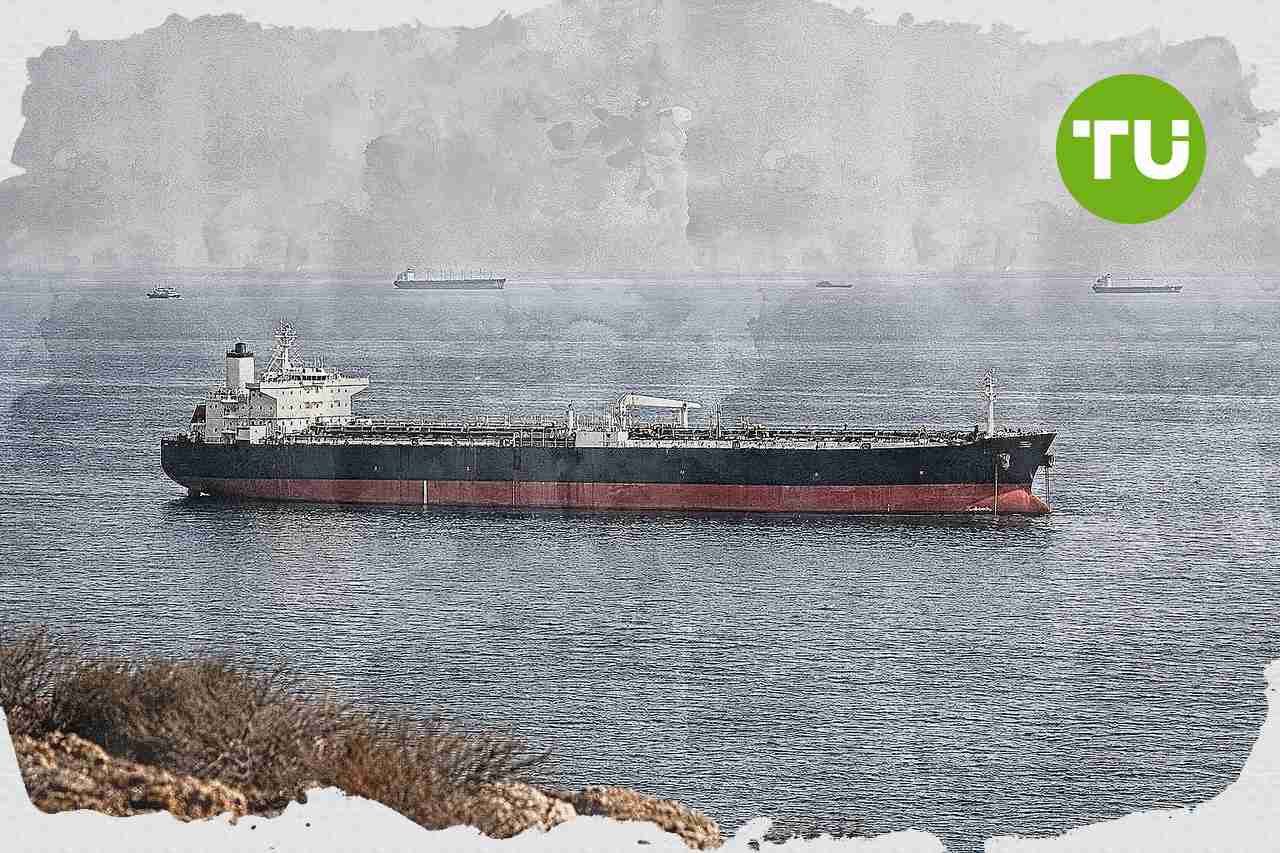
European markets head into Monday with investors watching signs of progress in U.S.-Iran talks, after volatile trading in Asia linked to the Strait of Hormuz and shifting risk sentiment. Brent crude drops below $79 a barrel as hopes for negotiations improve, though rising Treasury yields and expectations of further Federal Reserve tightening continue to weigh on the outlook.
Highlights
- Brent crude falls 2.5% to below $79 a barrel after progress in U.S.-Iran talks and unclear Strait of Hormuz status slow shipping.
- Fed funds futures price in 75% chance of a rate hike by September and 41 basis points of tightening by year-end, pushing 2-year Treasury yields to 4.2276%.
- UK gilt market volatility increases on reports Prime Minister Keir Starmer may resign, raising uncertainty over fiscal policies under potential successor Andy Burnham.
Talks, shipping and immediate market moves
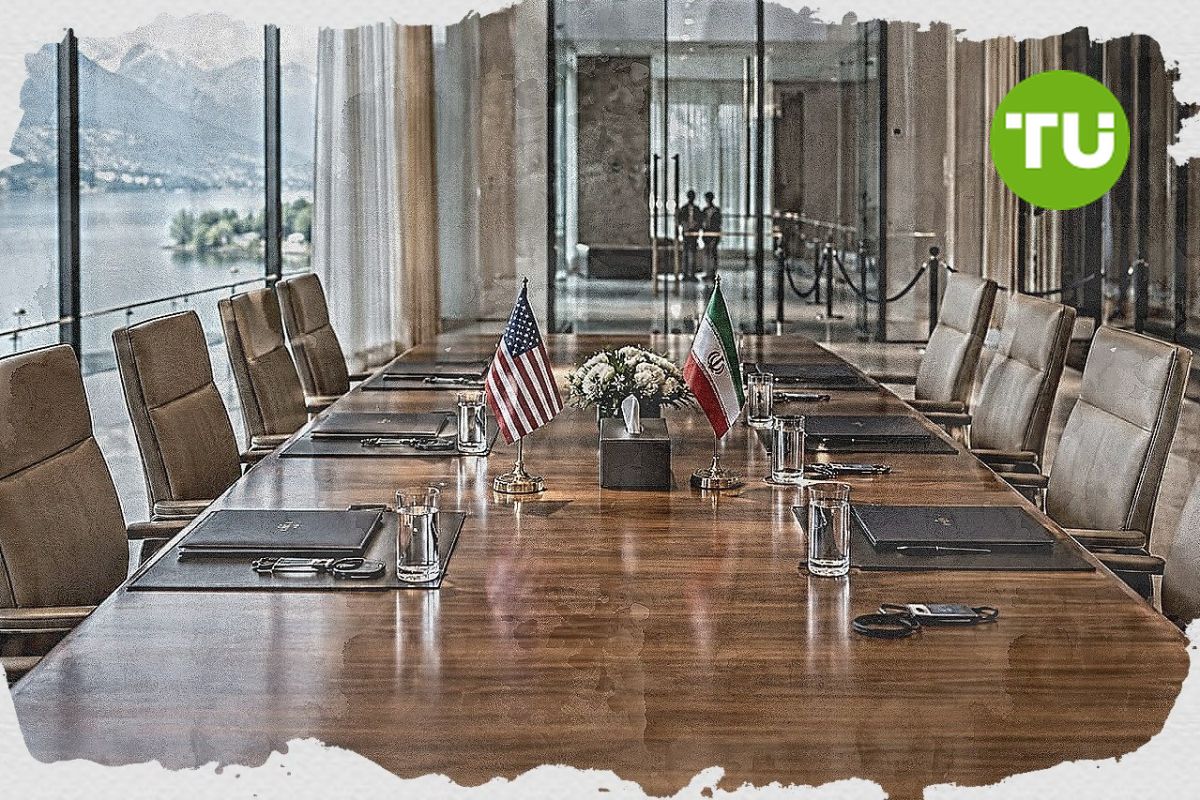
As reported by Reuters, Asian trading is choppy as stop-start peace talks between the U.S. and Iran appear to make some progress after earlier doubts over the process.The talks come under pressure after President Donald Trump threatens fresh attacks on Iran and Tehran says it has closed the Strait of Hormuz again. Iranian negotiators then say progress is made in the first session, while officials from Oman and Pakistan say a committee is being formed to run the discussions with the aim of reaching a deal within 60 days.
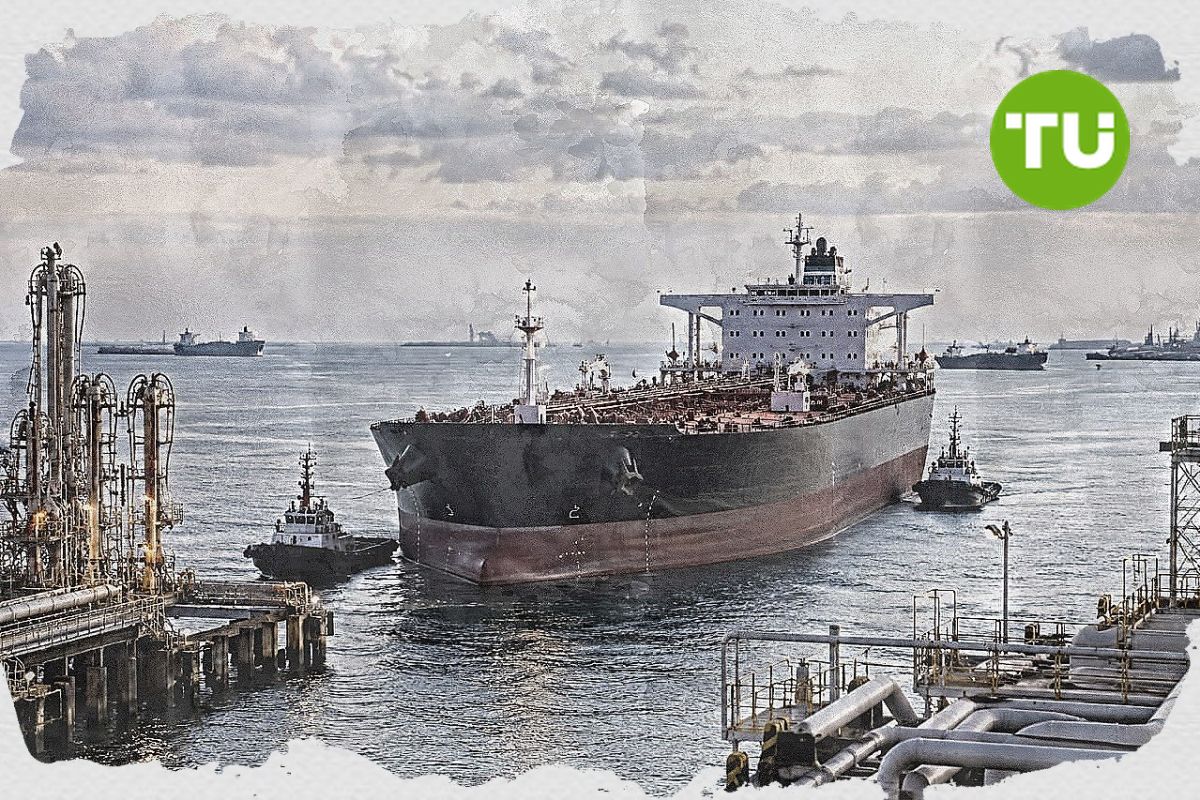
The status of the strait remains unclear. Shipping slows after U.S. Central Command says 55 vessels pass on Saturday, while tracking shows 32 the day before, and Iran also suggests a mechanism could be set up to control the waterway, presumably including some form of shipping fee.
The apparent diplomatic progress pushes Brent lower by 2.5% to below $79 a barrel, while Asian share markets move higher. Wall Street futures and Treasuries also recover part of their early losses.
Rate outlook and UK political uncertainty
Even as geopolitical concerns ease somewhat, investors still face mounting concern that the Federal Reserve may raise rates again. Futures imply about a 75% chance of an increase as early as September and 41 basis points of tightening by year-end, while yields on 2-year Treasuries touch their highest level since early 2025 at 4.2276%.In the UK, Trump also stirs markets by posting that Prime Minister Keir Starmer is set to resign, following multiple media reports that Starmer will announce exit plans to allow a leadership contest with rival Andy Burnham, who wins a parliamentary seat decisively last week. If that proves correct, investors see Burnham as likely to take the top job and potentially reshuffle the cabinet, including replacing finance minister Rachel Reeves.
That political uncertainty leaves the gilt market questioning how firmly a Burnham government would stick to fiscal discipline, with concern that spending and borrowing could rise. Investors are also watching Monday's scheduled appearances by Federal Reserve Governor Christopher Waller, ECB President Christine Lagarde, Economy Commissioner Valdis Dombrovskis, along with euro zone consumer confidence data for June and Canadian inflation figures for May.
Andy Burnham’s Makerfield by-election win previously put UK political risk back on bond investors’ radar, as markets weighed whether it could accelerate a Labour leadership challenge and a potential shift toward looser fiscal policy. We noted that while the immediate move in gilts was limited and oil prices were still the bigger near-term driver via inflation expectations, renewed leadership uncertainty could revive concerns about UK fiscal credibility and push yields higher.





Latest Brent News





-
 Afghanistan
-
 Albania
-
 Algeria
-
 Angola
-
 Argentina
-
 Armenia
-
 Australia
-
 Austria
-
 Azerbaijan
-
 Bahamas
-
 Bahrain
-
 Bangladesh
-
 Belarus
-
 Belgium
-
 Bolivia
-
 Botswana
-
 Brazil
-
 Brunei
-
 Bulgaria
-
 Cambodia
-
 Cameroon
-
 Canada
-
 Chile
Chile
-
 China
China
-
 Colombia
-
 Congo
Congo
-
 Costa Rica
-
 Cote d'Ivoire
-
 Croatia
-
 Cuba
Cuba
-
 Cyprus
-
 Czechia
-
 DR Congo
-
 Denmark
-
 Dominican Republic
-
 Ecuador
-
 Egypt
Egypt
-
 El Salvador
-
 Estonia
-
 Eswatini
-
 Ethiopia
-
 Finland
-
 France
-
 Georgia
-
 Germany
-
 Ghana
Ghana
-
 Greece
-
 Haiti
Haiti
-
 Hong Kong
-
 Hungary
-
 India
India
-
 Indonesia
-
 Iran, Islamic republic
-
 Iraq
Iraq
-
 Ireland
-
 Israel
-
 Italy
Italy
-
 Jamaica
-
 Japan
Japan
-
 Jordan
-
 Kazakhstan
-
 Kenya
Kenya
-
 Korea
Korea
-
 Kuwait
-
 Kyrgyzstan
-
 Laos
Laos
-
 Latvia
-
 Lebanon
-
 Lesotho
-
 Libya
Libya
-
 Lithuania
-
 Luxembourg
-
 Madagascar
-
 Malaysia
-
 Malta
Malta
-
 Mauritius
-
 Mexico
-
 Moldova
-
 Mongolia
-
 Montenegro
-
 Morocco
-
 Mozambique
-
 Myanmar
-
 Namibia
-
 Nepal
Nepal
-
 Netherlands
-
 New Zealand
-
 Nigeria
-
 North Macedonia
-
 Norway
-
 Oman
Oman
-
 Pakistan
-
 Palestine
-
 Panama
-
 Papua New Guinea
-
 Paraguay
-
 Peru
Peru
-
 Philippines
-
 Poland
-
 Portugal
-
 Puerto Rico
-
 Qatar
Qatar
-
 Reunion
-
 Romania
-
 Rwanda
-
 Saudi Arabia
-
 Serbia
-
 Singapore
-
 Slovakia
-
 Slovenia
-
 Somalia
-
 South Africa
-
 Spain
Spain
-
 Sri Lanka
-
 Sweden
-
 Switzerland
-
 Syria
Syria
-
 Taiwan
-
 Tajikistan
-
 Tanzania
-
 Thailand
-
 Trinidad and Tobago
-
 Tunisia
-
 Turkey
-
 UAE
UAE
-
 Uganda
-
 Ukraine
-
 United Kingdom
-
United States
-
 Uruguay
-
 Uzbekistan
-
 Venezuela
-
 Vietnam
-
 Yemen
Yemen
-
 Zambia
-
 Zimbabwe
- Forex
- Crypto












